Taormina Greek Theatre Guide: Best Views, When to Visit, and What It Really Feels Like in Sicily
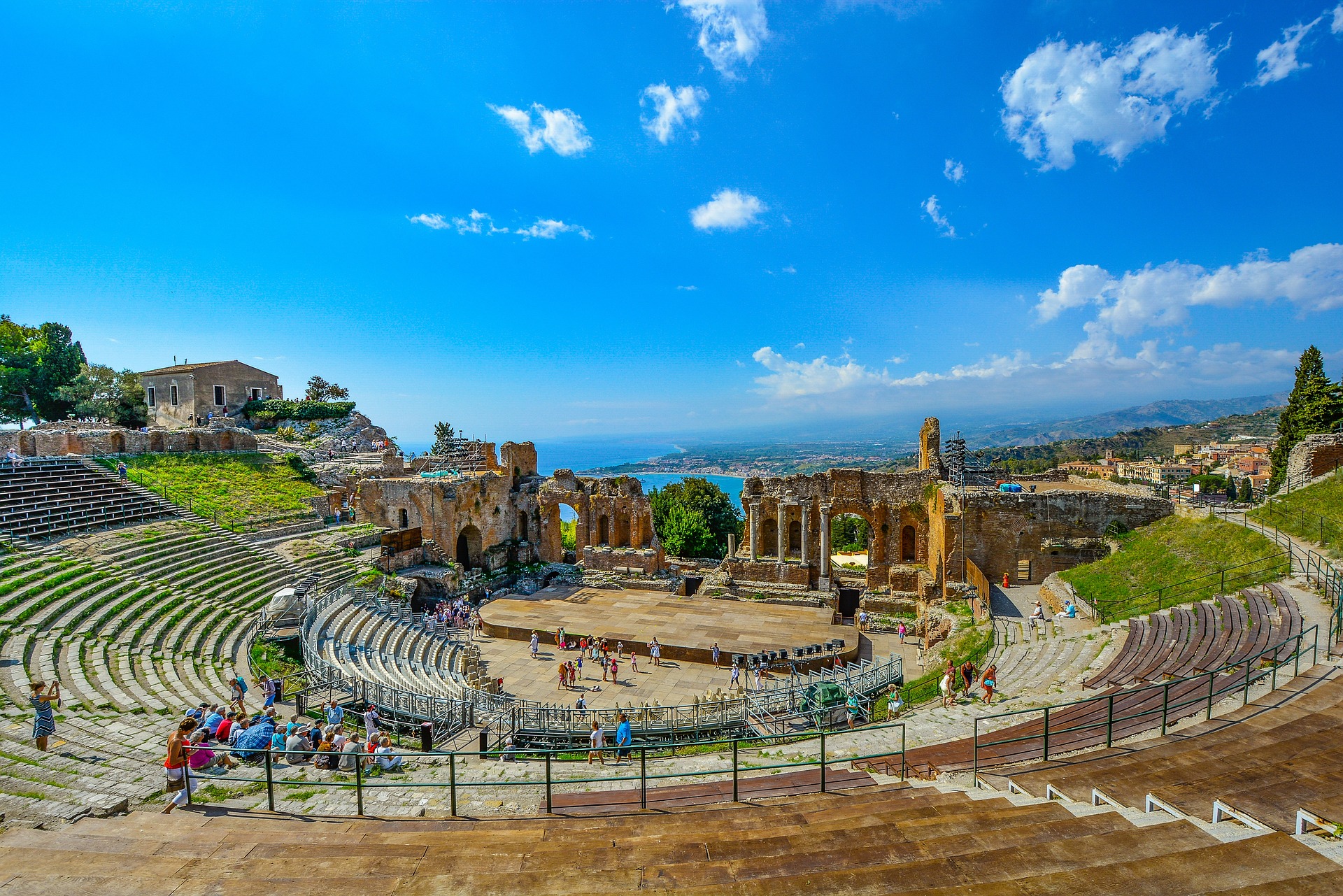
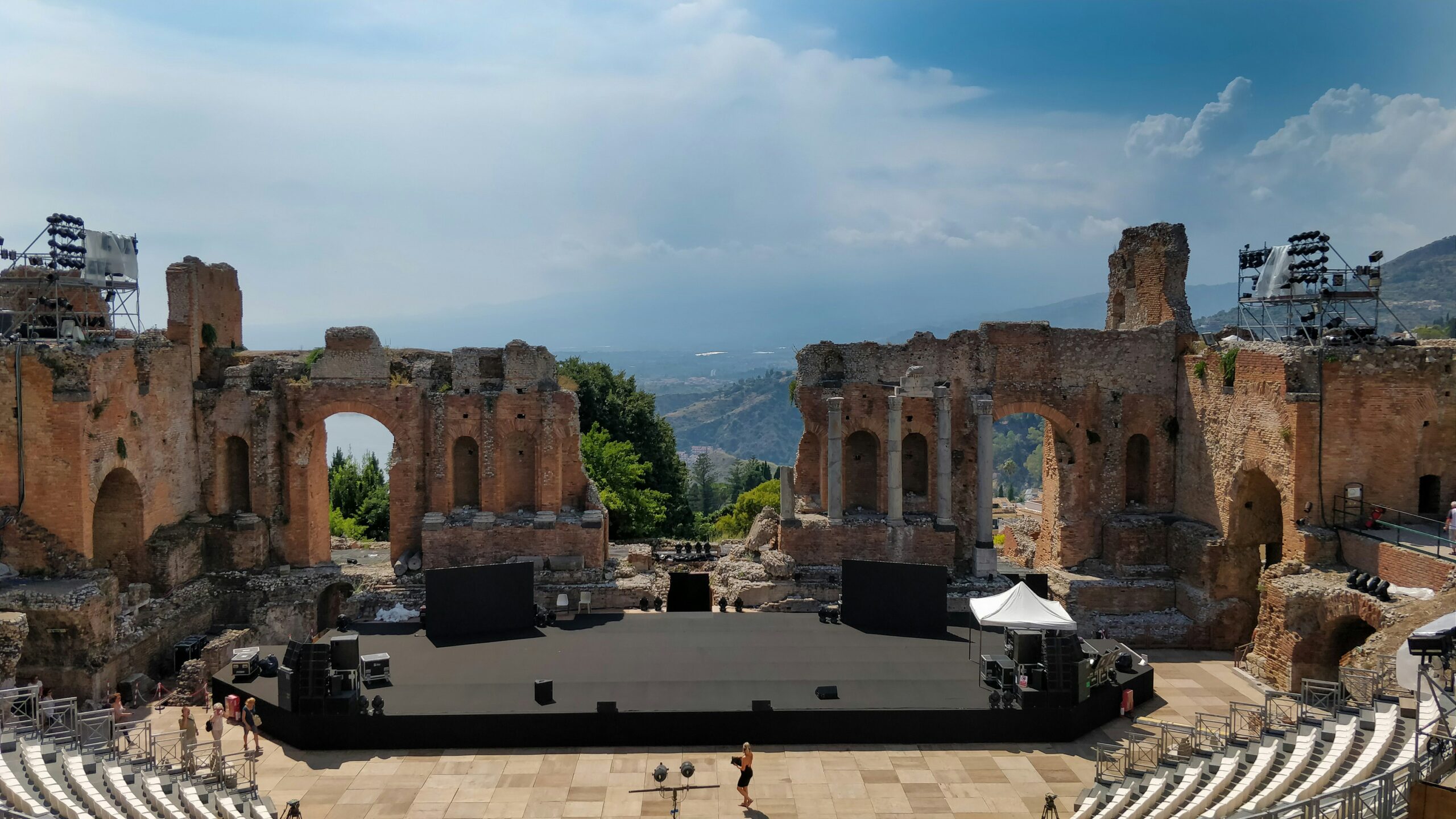
Taormina Greek Theatre is one of those rare places where the setting feels almost too dramatic to be real—ancient stone tiers, a wide Sicilian sky, the Ionian Sea glowing below, and Mount Etna rising in the distance like part of the stage design.
More than a famous ruin, it is a living performance space and one of Sicily’s most unforgettable viewpoints, where archaeology, landscape, and modern culture still meet in the same frame.
Search Intent
This guide is for travelers who want to know whether Taormina Greek Theatre is really worth visiting, what the site looks like in person, how much time to allow, when to go for the best light and views, and how to combine it with the rest of Taormina for a more complete Sicily day.
Quick Summary
- Taormina Greek Theatre is a Greek-Roman theatre carved into Mount Taurus and later adapted over time.
- It is famous not only for archaeology but for one of the best panoramic settings in Sicily, with sea and Etna views.
- The visit is easy to combine with Corso Umberto and central Taormina on the same day.
- Morning and late afternoon usually feel best for softer light, photos, and a less harsh summer sun.
- If a live event is scheduled, the theatre becomes even more memorable because it is still used for major performances.
Why Taormina Greek Theatre Feels Bigger Than a Typical Ruin
Some archaeological sites impress you because of scale. Others work because of historical depth. Taormina Greek Theatre does something rarer: it overwhelms you with setting. The structure itself is beautiful, but the real force of the place comes from the way architecture and landscape seem to collaborate. The cavea opens toward the sea, the horizon stretches far beyond the town, and Etna often appears in the background like a moving piece of scenery depending on clouds and light.
That combination is why this site remains one of Sicily’s most emotionally effective landmarks. It does not feel sealed off from the world like a museum object. It feels exposed, alive, and almost theatrical even before any performance begins. I think that is the key difference. You are not just visiting old stones. You are stepping into an ancient structure that was built to frame human spectacle and, somehow, still frames the natural world with the same power.
The first time I visited a theatre site with a huge landscape backdrop, I made the mistake of treating it like a checklist monument. I walked too fast, took the obvious photos, and moved on before the atmosphere settled in. Taormina is exactly the kind of place where that approach wastes the best part. You need at least a little patience here. Sit down for a few minutes. Let your eyes adjust from architecture to horizon and back again. That is when the site starts working on you.
What It Feels Like in Person
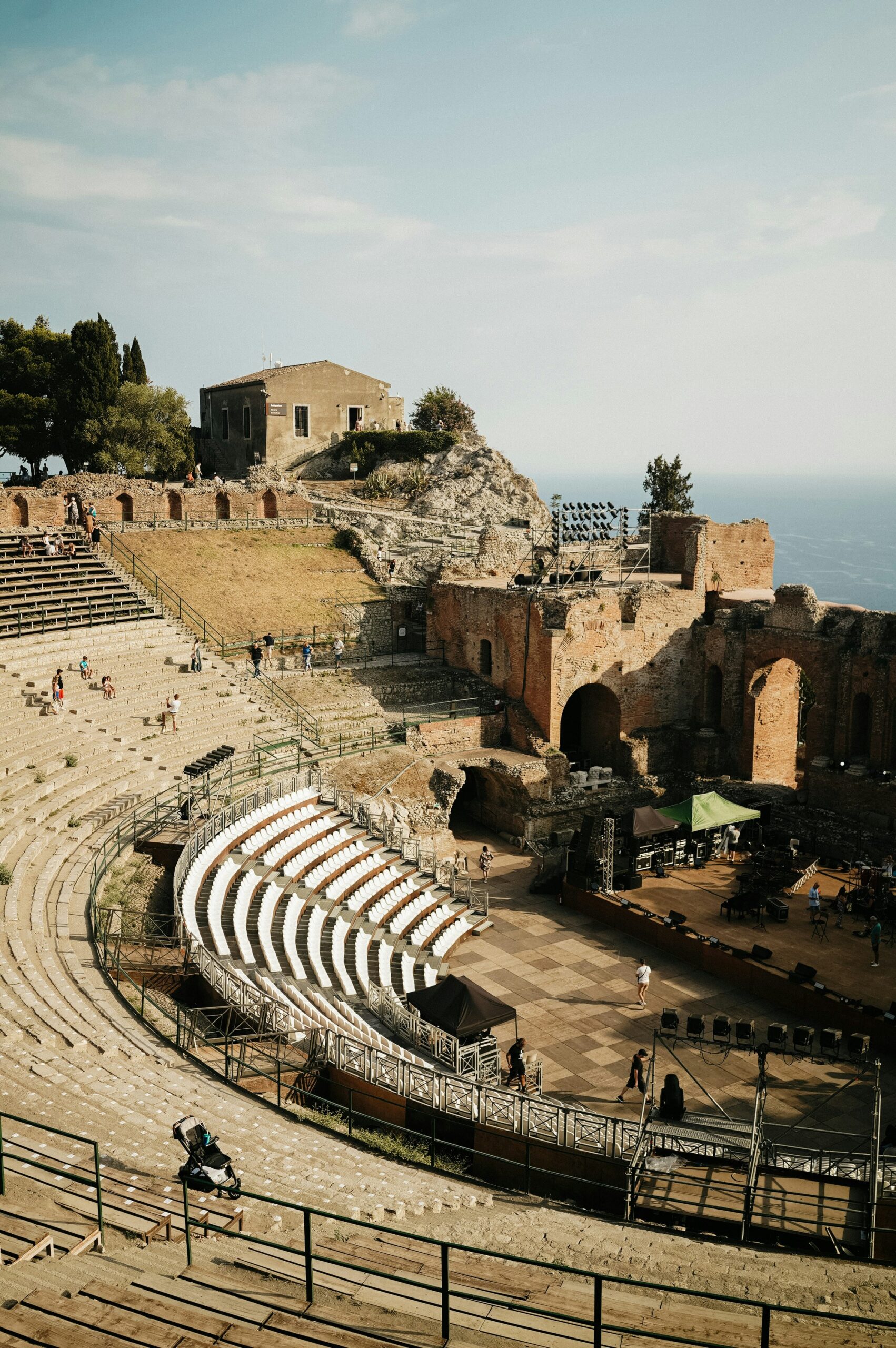
Approaching the theatre from town, you get a gradual build-up rather than an instant reveal. The streets of Taormina already feel elevated and scenic, but once you enter the site, the view opens in a way that can feel almost staged. The seating tiers draw your eye downward, the broken columns and stage remains create a powerful frame, and then suddenly the eye keeps moving outward toward the sea. It is one of those places where you do not quite know where to look first.
The texture matters too. The stone feels sun-soaked, the wind shifts quickly, and depending on the day you may hear a strange mix of tourist chatter, distant town sounds, and open air silence. That contrast is part of the magic. The monument is clearly famous and busy, but it still has moments where it feels intimate. I especially like the upper seating area, where the theatre’s geometry becomes easier to understand and the perspective feels more dramatic.
Emotionally, the site lands somewhere between grandeur and fragility. It is undeniably monumental, but it also feels weathered, exposed, and vulnerable in a beautiful way. That mix gives it character. If you catch the light just right—especially late in the day—the whole place can feel almost cinematic.
Historical and Cultural Context
Taormina Greek Theatre is commonly described as a Greek theatre, but the most accurate way to think about it is as a Greek-Roman theatre layered by time. Visit Sicily describes it as a Greek-Roman theatre within the Archaeological Park of Naxos and Taormina, with the classic parts of stage, orchestra, and cavea. The same source notes that it was dug from the hard rock of Mount Taurus in the 3rd century BC and later adapted in the imperial period for different forms of spectacle.
That layered history is part of what makes the site so interesting. You are not seeing a frozen single-era monument. You are seeing a structure that changed with political power, taste, public entertainment, and practical need. The theatre was not just admired—it was reused, altered, and absorbed into later cultural life. That gives the site a deeper feeling than a ruin preserved in one neat historical frame.
Modern Taormina continues that pattern. The theatre is still used for important performances, including major music, theatre, and dance programming. So the building’s original identity as a place of gathering and spectacle has not disappeared. It has simply evolved.
Key Visitor Information
| Item | Details |
|---|---|
| Location | Via del Teatro Greco, 40, Taormina, Sicily |
| Site Type | Ancient Greek-Roman theatre |
| Official Fare | Full ticket €14.00 / reduced €7.00 (verify before visit) |
| Official Timetable | Daily from 9:00 AM to 4:00 PM on the current park page; event days may affect access |
| Recommended Visit Time | 1.5 to 2 hours for the theatre itself, longer if combined with town walking |
| Main Highlights | Ancient seating tiers, stage remains, sea panorama, Mount Etna view, live events |
| Contact | +39 0942 51001 / parco.archeo.naxos@regione.sicilia.it |
| Access Notes | Expect steps, stone surfaces, and uneven areas; comfort and footwear matter |
Top Highlights of Taormina Greek Theatre
1. The View Is Not a Bonus—It Is Part of the Site
At many ruins, the surrounding view is pleasant but secondary. Here it is fundamental. The theatre’s power comes from how it interacts with the sea and volcanic landscape.
2. The Cavea Gives the Best Sense of Scale
Once you move up the stepped seating, the theatre stops feeling like a photo backdrop and starts feeling like a true performance machine shaped for thousands of spectators.
3. The Stage Ruins Still Frame the Scene Beautifully
Even in fragmentary form, the stage architecture helps you imagine how carefully this space once directed attention and spectacle.
4. The Site Still Hosts Major Performances
This is one of the biggest reasons the theatre feels alive instead of merely preserved. It is still used for high-profile cultural programming in Taormina.
Why the Cultural Layer Matters
Taormina Greek Theatre is not only one of Sicily’s great archaeological landmarks but also an active cultural venue. Taormina Arte describes its festival as active since 1983 and centered on major music, theatre, and dance events. That continuity changes how the monument feels. You are not just looking at a former theatre. You are visiting a theatre that never entirely stopped being one.
This living function is important because it protects the site from becoming emotionally flat. Even when there is no performance scheduled, you can sense that the space still belongs to an audience. It still expects sound, light, movement, applause. I personally find that much more moving than a site that feels completely detached from its original purpose.
If your timing works, seeing an event here would probably be one of the most memorable cultural experiences in Sicily. But even without that, simply understanding that modern performances still happen in this ancient setting gives the visit another dimension.
Travel Tips That Actually Help
- Go early or later in the day if possible. Midday summer sun in Sicily can flatten the mood and drain your energy fast.
- Wear shoes with grip. The site includes stone steps and worn surfaces that are beautiful but not forgiving.
- Combine the theatre with central Taormina rather than treating it as a standalone stop.
- Carry water, especially from late spring through early autumn.
- Check event schedules before visiting, because performances can affect access or change the site atmosphere.
- Spend a few minutes sitting quietly in the upper tiers. It sounds simple, but it changes the pace of the visit completely.
My honest advice is not to overpack the Taormina part of your day. This town rewards wandering. If you try to squeeze the theatre, Corso Umberto, Isola Bella, lunch, shopping, and sunset all into a rigid schedule, you may end up enjoying everything less.
How to Visit Efficiently
- Start with the theatre in the morning if you want cooler conditions and clearer mental space.
- Work outward into town by walking back toward Corso Umberto after the site.
- Pause for a cafe break instead of rushing directly downhill to the next attraction.
- Add Isola Bella later if you want a sea-level contrast after the elevated monument setting.
- Check performance dates before your visit if you want to turn the day into a culture-focused evening.
Taormina-Giardini railway station sits below the historic center, and current Taormina travel guides note that visitors commonly continue upward by local bus or taxi to town before walking onward to the theatre area. Once you are in central Taormina, the theatre is an easy and well-known stop from the main pedestrian core. :contentReference[oaicite:2]{index=2}
Nearby Attractions and Local Flavor
Corso Umberto
Corso Umberto is Taormina’s main historic street and the easiest place to continue your visit with boutiques, bars, pastries, churches, and a more social town atmosphere.
Isola Bella
If you want a complete Taormina contrast, head from the elevated theatre setting down toward Isola Bella, the celebrated reserve area along the coast below town.
Mount Etna View Moments
Even if you are not doing a full Etna excursion, the theatre is one of the best places to appreciate how deeply volcano and coastline shape eastern Sicily’s visual identity.
Sicilian Food Pause
Taormina is a good place to slow down over granita, espresso, or a relaxed lunch after the site. Personally, I think that break matters. The theatre is visually intense, and the town works best when you give yourself time to absorb it rather than march through it.
Taormina Greek Theatre vs Leaning Tower of Pisa
| Category | Taormina Greek Theatre | Leaning Tower of Pisa |
|---|---|---|
| Best For | Landscape drama, archaeology, cultural atmosphere | Iconic architecture, world-famous landmark visit |
| Main Mood | Panoramic, artistic, theatrical | Symbolic, monumental, instantly recognizable |
| Visit Rhythm | Slow, contemplative, scenic | Focused landmark stop with strong visual payoff |
| Ideal Add-On | Corso Umberto and Isola Bella | Piazza dei Miracoli and central Pisa walk |
Who Should Visit Taormina Greek Theatre
- Travelers who love archaeological sites with genuinely dramatic natural settings.
- People who want a Sicily landmark that feels both historical and emotionally scenic.
- Visitors interested in music, theatre, and performance culture as well as ruins.
- Photographers and slow travelers who value atmosphere more than checklist speed.
- Anyone building a Taormina day around scenic walking, food, and one major heritage stop.
FAQ
Is Taormina Greek Theatre worth visiting?
Yes. It is one of Sicily’s most rewarding sites because it combines archaeology, panoramic views, and a strong living cultural identity.
How long do you need at Taormina Greek Theatre?
Around 1.5 to 2 hours is comfortable for the site itself, though many travelers will want longer when combining it with the rest of Taormina.
What is special about Taormina Greek Theatre?
Its combination of ancient theatre architecture, Mount Etna views, sea panorama, and continuing use for performances makes it unusually powerful.
Is the theatre Greek or Roman?
It is best understood as a Greek-Roman theatre: founded in the Greek period and modified in later Roman use.
Can you see Mount Etna from Taormina Greek Theatre?
Often yes, weather permitting. The Etna backdrop is one of the defining visual experiences of the site.
Should I buy tickets in advance?
It is a good idea, especially in peak season or if events are taking place, because Taormina can get very busy.
What should I see after the theatre?
Corso Umberto is the easiest next stop, and Isola Bella is a great follow-up if you want a coastal contrast.
What is the best time to visit Taormina Greek Theatre?
Morning and late afternoon are usually the best times for softer light, better comfort, and a more memorable atmosphere.
More Travel Guides on Trip Nexus
Official and Authoritative Links
Google Map
Final Verdict
Taormina Greek Theatre is absolutely worth visiting, but not because it is merely old or famous. It works because it is one of those places where geography, architecture, and memory all push in the same direction. The view is astonishing, yes, but the site would still matter without it. The ancient design, the layered Greek and Roman history, and the fact that performances still animate the space give it unusual depth.
If I had to summarize it honestly, I would say this: some landmarks are iconic first and meaningful second. Taormina Greek Theatre feels meaningful first, then unforgettable. Stay long enough for that difference to register, and it will probably become one of the strongest memories of your Sicily trip.