Leaning Tower of Pisa Guide: Best Time to Visit, Tickets, Climb Tips, and What It Really Feels Like
Leaning Tower of Pisa is one of those rare places that feels familiar long before you arrive, yet still manages to surprise you the moment you see it in person.
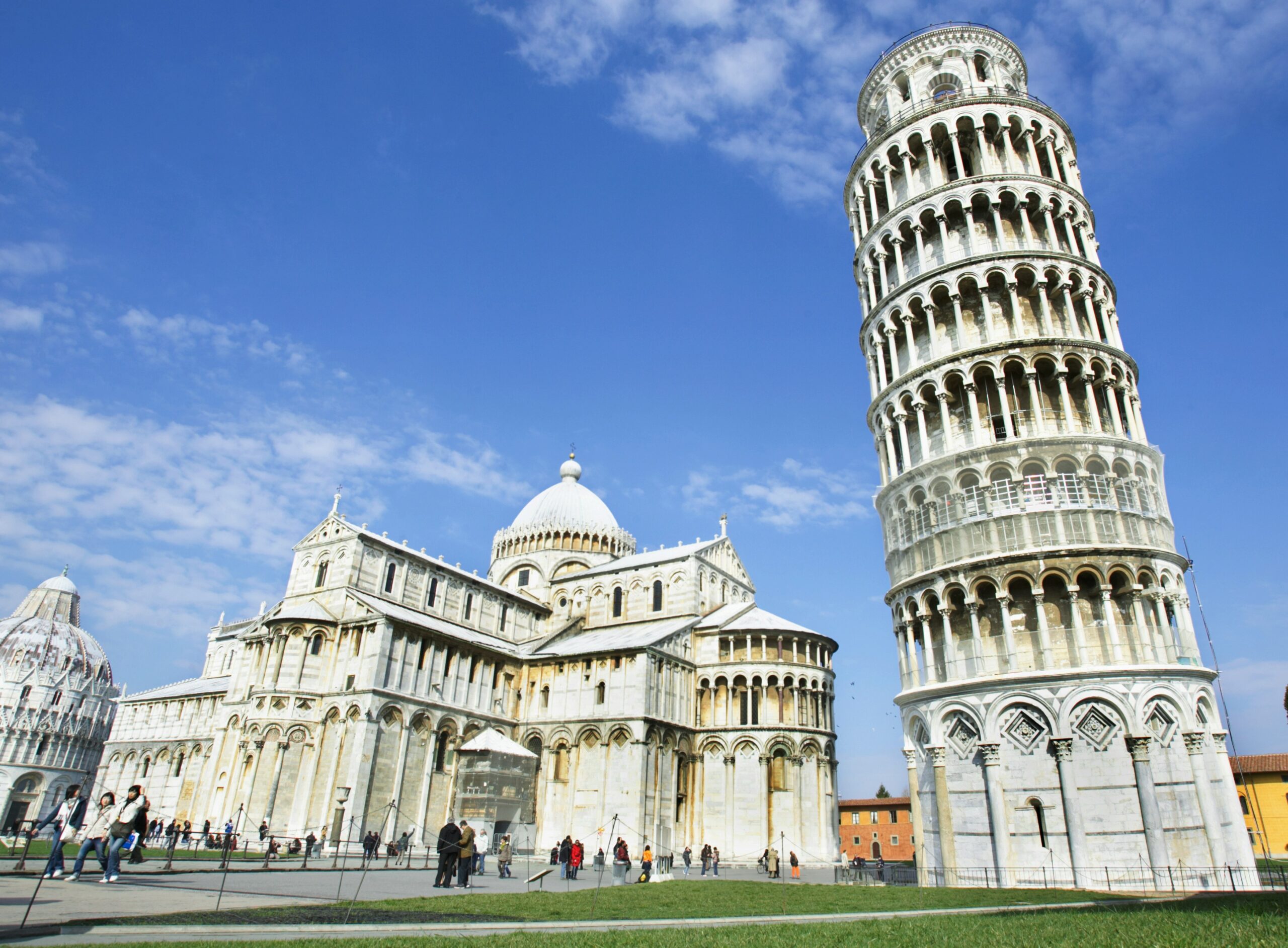
Set inside Pisa’s Piazza del Duomo, the famous bell tower is not just a photo stop but part of a larger monumental complex that includes the cathedral, baptistery, and Camposanto—together one of Italy’s most influential medieval ensembles.
Search Intent
This guide is for travelers who want to know if the Leaning Tower of Pisa is really worth visiting, whether climbing it is worthwhile, how to book efficiently, what to see around it, and how to turn a famous landmark stop into a richer Pisa experience.
Quick Summary
- The Leaning Tower is the bell tower of Pisa Cathedral, not a standalone monument.
- It sits inside Piazza dei Miracoli, a UNESCO World Heritage Site with the cathedral, baptistery, and Camposanto.
- Tower entry is timed, limited in number, and usually best booked in advance.
- The climb takes about 30 minutes and includes a steep stair ascent, so it is not suitable for everyone.
- If you stay beyond the tower photos and explore the wider square and central Pisa, the visit feels far more rewarding.
Why the Leaning Tower of Pisa Still Feels Special
Leaning Tower of Pisa has a problem that many famous landmarks face: almost everyone thinks they already know it. You have seen it in textbooks, postcards, travel memes, and countless forced-perspective photos. So when you finally arrive, there is always a small risk that the real thing will feel smaller, flatter, or more touristy than you hoped.
But Pisa is one of those places where the real version still wins. The tower’s lean is visually stranger than photos suggest, and the setting matters more than many first-time visitors expect. It rises from a broad green field inside Piazza del Duomo, where bright stone, open sky, and monumental space make the whole composition feel theatrical. The tower is famous on its own, but it becomes much more meaningful once you understand that it was designed as the campanile—the bell tower—of the cathedral complex around it.
I think that is the first mental adjustment worth making. Do not visit Pisa expecting only a quirky crooked tower. Visit it expecting one of the great medieval architectural ensembles in Europe, with the tower as the dramatic focal point. That shift changes the whole experience. It also helps you avoid the mistake I made once at another over-photographed landmark: rushing in, taking a few obvious photos, and leaving before the place had a chance to reveal its texture.
What It Feels Like in Person
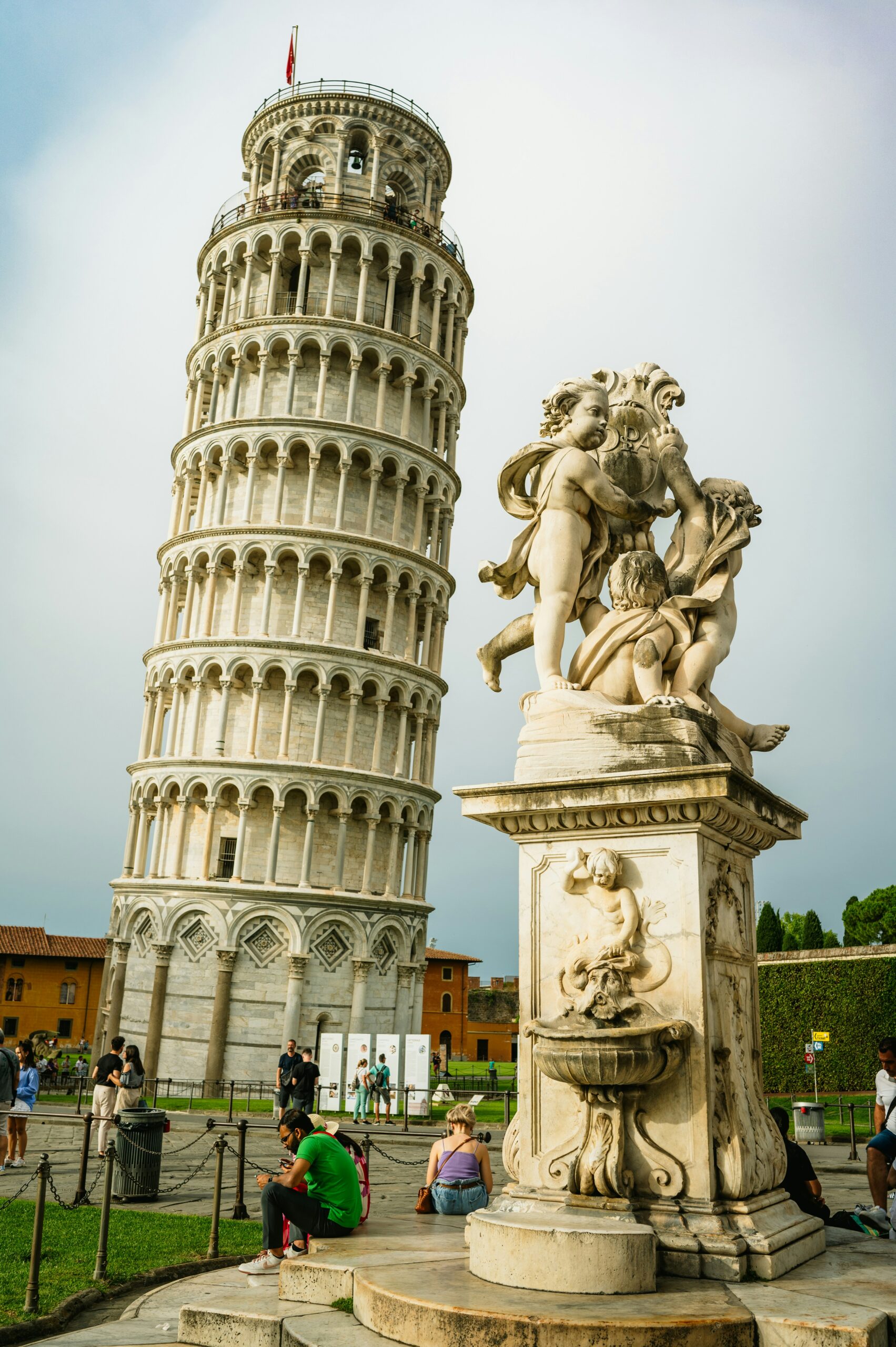
The first feeling is usually disbelief—not because the tower is leaning, since you already know that, but because the angle looks oddly graceful rather than broken. It is not a violent tilt. It is elegant, almost controlled, which somehow makes it even more compelling. The marble catches the light beautifully, the arcaded levels stack upward with rhythm, and the whole structure seems to hover between accident and genius.
If you climb it, the experience becomes more physical. The ascent is short but memorable, and the tower’s geometry makes your body notice the lean in a very direct way. The stone underfoot feels worn, the interior is tighter than some visitors expect, and there is a subtle sensation that your balance keeps negotiating with the building. I always think those are the best monument moments—the ones where architecture becomes something you feel, not just something you observe.
At the top, the reward is not just the panorama but the change in perspective. You see the cathedral precinct from above, the green lawn spreading below, and the wider city of Pisa beyond the tourist frame. Suddenly the visit stops being about one famous object and starts feeling connected to a real urban landscape.
History and Cultural Context
Construction of the tower began in 1173 as part of Pisa’s cathedral complex, and the structure was intended from the beginning to serve as a bell tower rather than a defensive tower. Work stretched over generations, which is part of why the monument carries such a layered medieval identity. The lean began early in its history because of unstable subsoil, and later construction phases adapted to that reality rather than erasing it. Over time, what began as an engineering problem became one of the world’s most recognizable architectural signatures.
Official and UNESCO sources make it clear that the tower should be understood inside the broader Piazza del Duomo, also known as Piazza dei Miracoli. The square includes four principal monuments—the cathedral, the baptistery, the campanile, and the cemetery—and UNESCO specifically recognizes the site as a major group of medieval masterpieces that influenced monumental art in Italy from the 11th to the 14th century.
That larger context matters because it turns Pisa from a “checklist destination” into a serious cultural stop. The Tower is the magnet, yes, but the square’s real power lies in the dialogue between its monuments: baptism, worship, time, burial, and memory, all expressed in stone.
Key Visitor Information
| Item | Details |
|---|---|
| Location | Piazza del Duomo (Piazza dei Miracoli), Pisa, Tuscany |
| What It Is | The bell tower of Pisa Cathedral |
| Construction Start | 1173 |
| UNESCO Context | Part of the UNESCO-listed Piazza del Duomo, Pisa |
| Tower Access | Timed entry; visitor numbers are limited |
| Visit Duration | About 30 minutes for the tower visit |
| Stair Access | On foot via a steep stair climb |
| Children Rule | Children under 8 are not allowed in the tower; under 18s must be accompanied by an adult |
| Bags | Bags and luggage must be left at the cloakroom before entry |
| Booking Advice | Book ahead whenever possible, especially in busy travel periods |
Top Highlights of the Leaning Tower Visit
1. The Lean Itself
It sounds obvious, but the tower’s angle is genuinely more fascinating in person than in photos. The eye keeps checking whether what it sees is possible.
2. The Climb
The official visit is short, but the climb gives the monument physical intensity. You are not just viewing history; you are moving through it.
3. The Piazza Ensemble
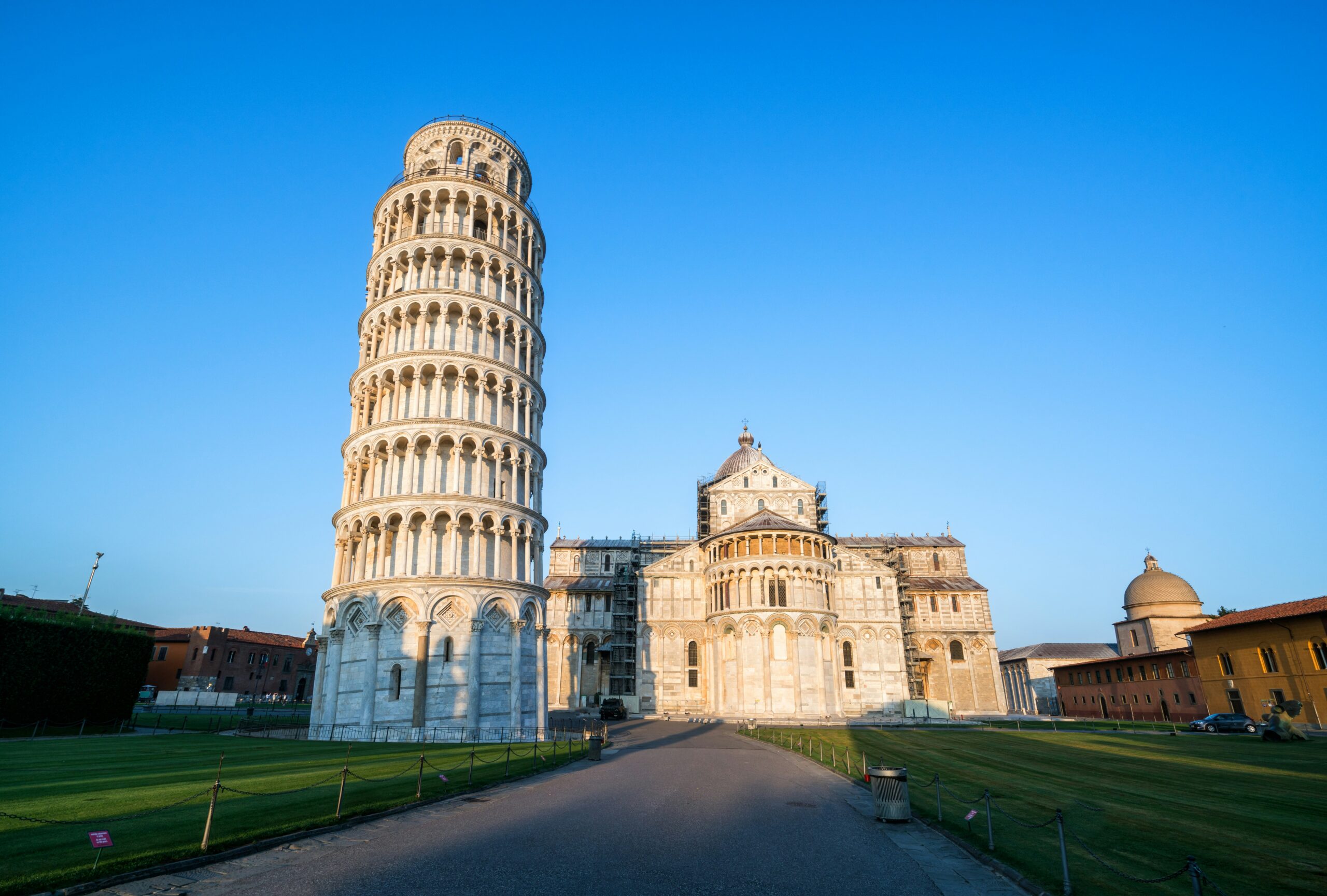
Cathedral, baptistery, Camposanto, and open lawn create one of Italy’s most photogenic monumental settings. The tower is strongest when seen as part of that composition.
4. Marble Light
Morning and late afternoon light bring out different moods in the white and grey surfaces. The square can look cool and crisp or softly golden depending on the hour.
Immersive Cultural Experience Beyond the Photo
The best Pisa visits are not rushed. After the tower, step into the cathedral zone with a slower mindset. The Baptistery adds another dimension with its scale and acoustic reputation, while the Camposanto deepens the emotional register of the square. The Opera della Primaziale Pisana also manages associated museum spaces, which can help you understand the artistic and devotional life behind the monuments rather than seeing them only as surface beauty.
Once you leave the square, central Pisa begins to feel less ceremonial and more lived-in. Streets such as Borgo Stretto give you arcades, shops, cafes, and a very different rhythm from the monumental green of the piazza. I like this contrast a lot. It stops Pisa from feeling like a single-scene destination. You get marble grandeur first, then everyday Tuscan city texture after.
If you let the day breathe a little, Pisa starts to feel more nuanced than its global image suggests. That is when the city becomes rewarding, not just recognizable.
Travel Tips That Actually Matter
- Book the tower climb in advance whenever possible, because entry is timed and limited.
- Do not bring bulky bags into the climb process; bag storage is part of the official tower rules.
- Wear shoes with grip. The stair climb is old stone, and the movement feels more physical than some travelers expect.
- Visit early or later in the day if you want softer light and a slightly calmer atmosphere.
- Give yourself at least 2 to 3 hours for the square, more if you plan to enter multiple monuments.
- Leave time for central Pisa after the square instead of treating the tower as an isolated stop.
My honest advice is not to over-romanticize the climb itself. It is memorable, yes, but not because it is long or athletic. It is memorable because it is odd. The sensation of moving inside a tilted historic structure is the point. If you expect a huge summit adventure, you may oversell it to yourself. If you expect a strange and wonderfully specific architectural experience, you will probably love it.
How to Visit Efficiently
- Reserve your tower slot first. The timed tower entry is the fixed point of the day.
- Arrive a bit early. You do not want stress before the climb, especially with cloakroom procedures.
- See the tower, then the cathedral side. Most visitors do the reverse emotionally, but the square reads better once the tower pressure is out of the way.
- Add one non-square street afterward. Borgo Stretto or the Arno area gives your visit a more complete Pisa feel.
- Stay for light changes if you can. The piazza is visually rewarding at more than one hour of the day.
For many travelers, a half day in Pisa is ideal. A rushed one-hour stop is enough for proof of visit, but not enough for atmosphere. A half day gives you the tower, the square, a walk into town, and a relaxed coffee or meal without the city feeling flattened into a checklist.
Nearby Attractions and Local Flavor
Piazza del Duomo
The square itself is the main companion attraction. Cathedral, Baptistery, Camposanto, and museum spaces give the tower its full meaning.
Borgo Stretto
One of the best streets to shift from monumental tourism to everyday Pisa. Expect arcades, shops, and a more intimate city mood.
Arno River Walks
If you have extra time, the riverfront gives you a quieter way to absorb Pisa beyond the famous postcard zone.
Tuscan Food Stops
Pisa works well for a relaxed lunch after the monument visit. A simple pasta, a local wine, or even just an espresso break can reset the pace beautifully after the tourist concentration of the square.
Leaning Tower of Pisa vs Rialto Bridge Venice
| Category | Leaning Tower of Pisa | Rialto Bridge |
|---|---|---|
| Best For | Landmark architecture and medieval monument complex | Urban Venice atmosphere and canal views |
| Experience Type | Focused heritage site visit | Open city wandering and viewpoint stop |
| Time Needed | 2–4 hours for a satisfying visit | 30–90 minutes depending on route |
| Main Mood | Monumental, symbolic, visually iconic | Lively, scenic, woven into daily city flow |
Who Should Visit the Leaning Tower of Pisa
- First-time Italy travelers who want a globally iconic landmark that still has real historical substance.
- Architecture lovers interested in Romanesque design, engineering problems, and preservation history.
- Travelers building a Tuscany route with easy rail or road access.
- Visitors who enjoy short but memorable monument climbs.
- People who are willing to go beyond the cliché photo and explore the wider square and city.
FAQ
Is the Leaning Tower of Pisa worth visiting?
Yes. It is one of the rare famous landmarks that still delivers in person, especially when you experience it as part of the full Piazza dei Miracoli complex.
Can you climb the Leaning Tower of Pisa?
Yes, but access is timed and limited. The visit is on foot via stairs and is not suitable for everyone.
How long does the tower visit take?
The official tower visit takes about 30 minutes, though you should budget more time for the full square.
Do I need to book Leaning Tower of Pisa tickets in advance?
Booking ahead is strongly recommended because tower entry is assigned by time slot and places are limited.
Can children enter the tower?
Children under 8 cannot enter the tower, and visitors under 18 must be accompanied by an adult.
What should I see besides the tower?
Do not miss the cathedral, baptistery, and Camposanto in the same square, then continue into central Pisa for a more complete visit.
Is Pisa just a quick stop from Florence?
It can be, but Pisa is more enjoyable as a half-day destination rather than a rushed photo-only stop.
What is the best time to visit the Leaning Tower of Pisa?
Early morning and late afternoon usually offer better light and a less hectic atmosphere than the middle of the day.
More Italy Travel Guides on Trip Nexus
Official and Authoritative Links
Google Map
Final Verdict
Leaning Tower of Pisa works because it is both simpler and richer than people expect. Simpler, because yes, it is exactly what the name promises: a leaning medieval tower. Richer, because the monument makes the most sense when you see it inside a square shaped by faith, artistry, time, and centuries of adaptation.
I would absolutely recommend climbing it if you enjoy architecture and do not mind stairs. But even if you skip the ascent, the site is still worth your time. Just do not reduce Pisa to one novelty photo. Stay a little longer, walk the square properly, drift into town, and let the city prove it has more depth than its most famous angle.