Nikko National Park Guide: How to Visit, Best Spots, and What Makes It So Special
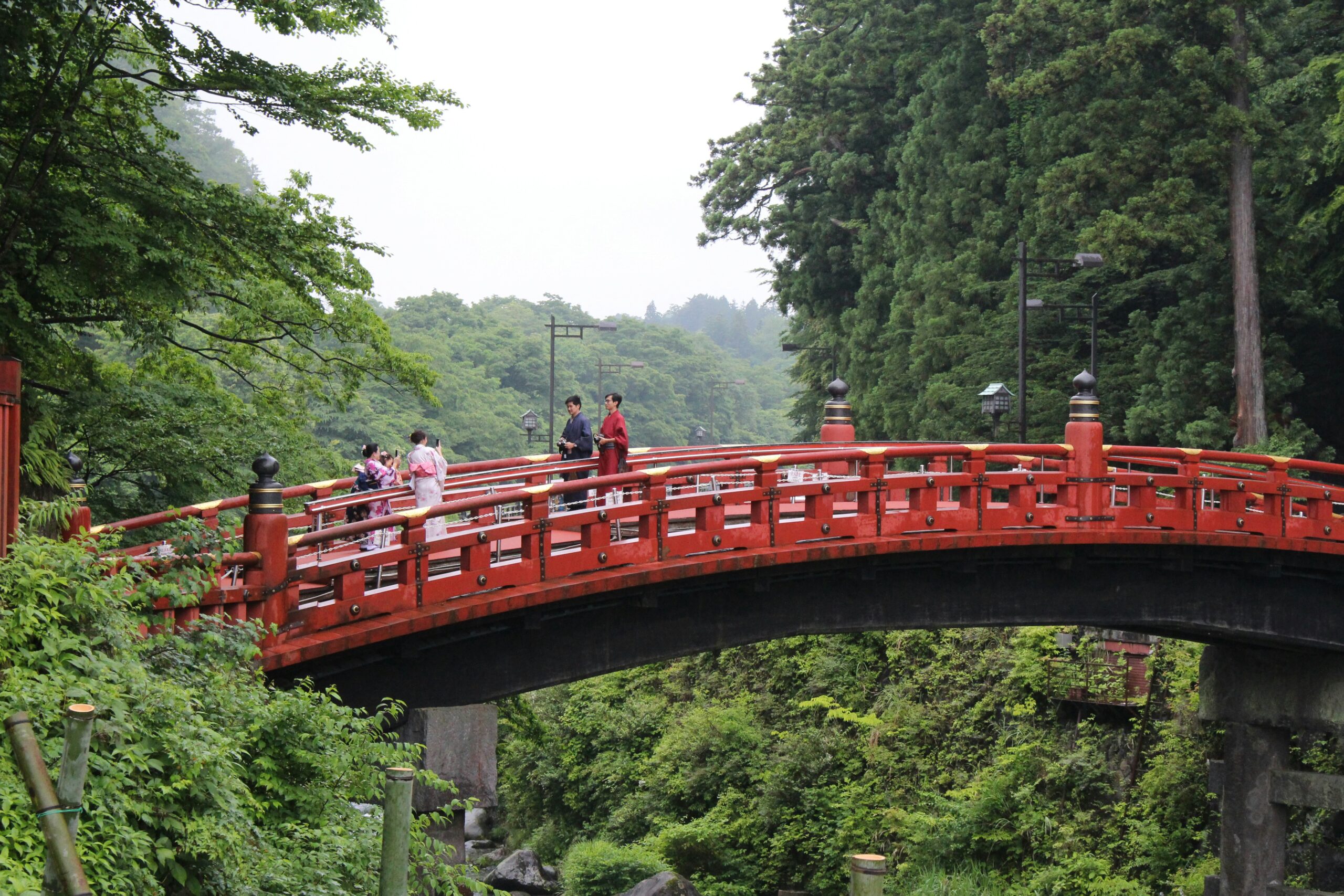
Nikko National Park is one of Japan’s most breathtaking destinations, where ancient forests, sacred shrines, and dramatic waterfalls exist within a single landscape.
Located in Tochigi Prefecture just north of Tokyo, the park combines UNESCO heritage architecture with wild mountain scenery, making it one of the most unforgettable nature escapes in Japan.
Search Intent
Travelers researching Nikko National Park usually want to understand three things: what makes the park famous, how to visit from Tokyo, and which landmarks—such as Toshogu Shrine, Lake Chuzenji, and Kegon Falls—should be prioritized in a short itinerary.
Quick Summary
- Nikko National Park lies about two hours north of Tokyo in Tochigi Prefecture.
- The park is famous for UNESCO-listed shrines and temples surrounded by ancient cedar forests.
- Kegon Falls and Lake Chuzenji are among the most spectacular natural landmarks.
- Autumn foliage season (late October–early November) is the most popular time to visit.
- Direct Tobu and JR trains connect Tokyo with Nikko in roughly two hours.
Why Visit Nikko National Park
Nikko National Park represents a rare harmony between nature and spirituality. Mountains, waterfalls, and forests are not simply scenic backdrops—they are part of centuries-old religious traditions that shaped Japan’s cultural identity.
The park’s most famous cultural site, Toshogu Shrine, honors Tokugawa Ieyasu, the founder of the Tokugawa shogunate. Lavishly decorated structures covered in gold leaf, intricate carvings, and vibrant colors stand among towering cedar trees that are hundreds of years old.
When I first walked through the cedar avenue leading toward the shrine complex, the atmosphere felt almost unreal. The air was quiet except for footsteps on gravel, and the enormous trees blocked out much of the sunlight. It was one of those rare travel moments where you feel you’ve stepped into a different era.
What It Feels Like to Walk Through Nikko
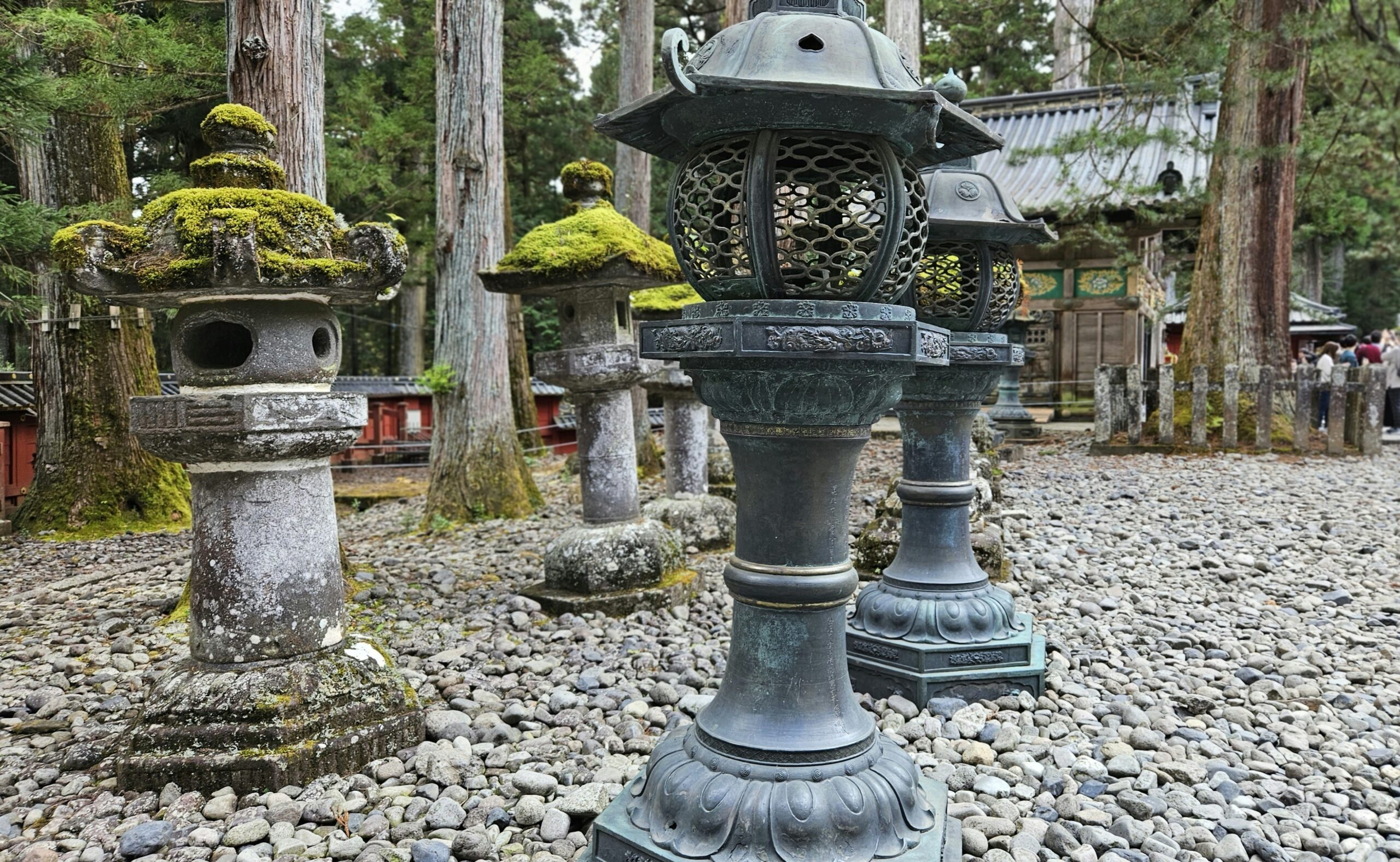
Walking through Nikko feels more like entering a sacred landscape than visiting a typical national park. Stone lanterns line forest trails, moss grows over centuries-old stairways, and small shrines appear quietly between trees.
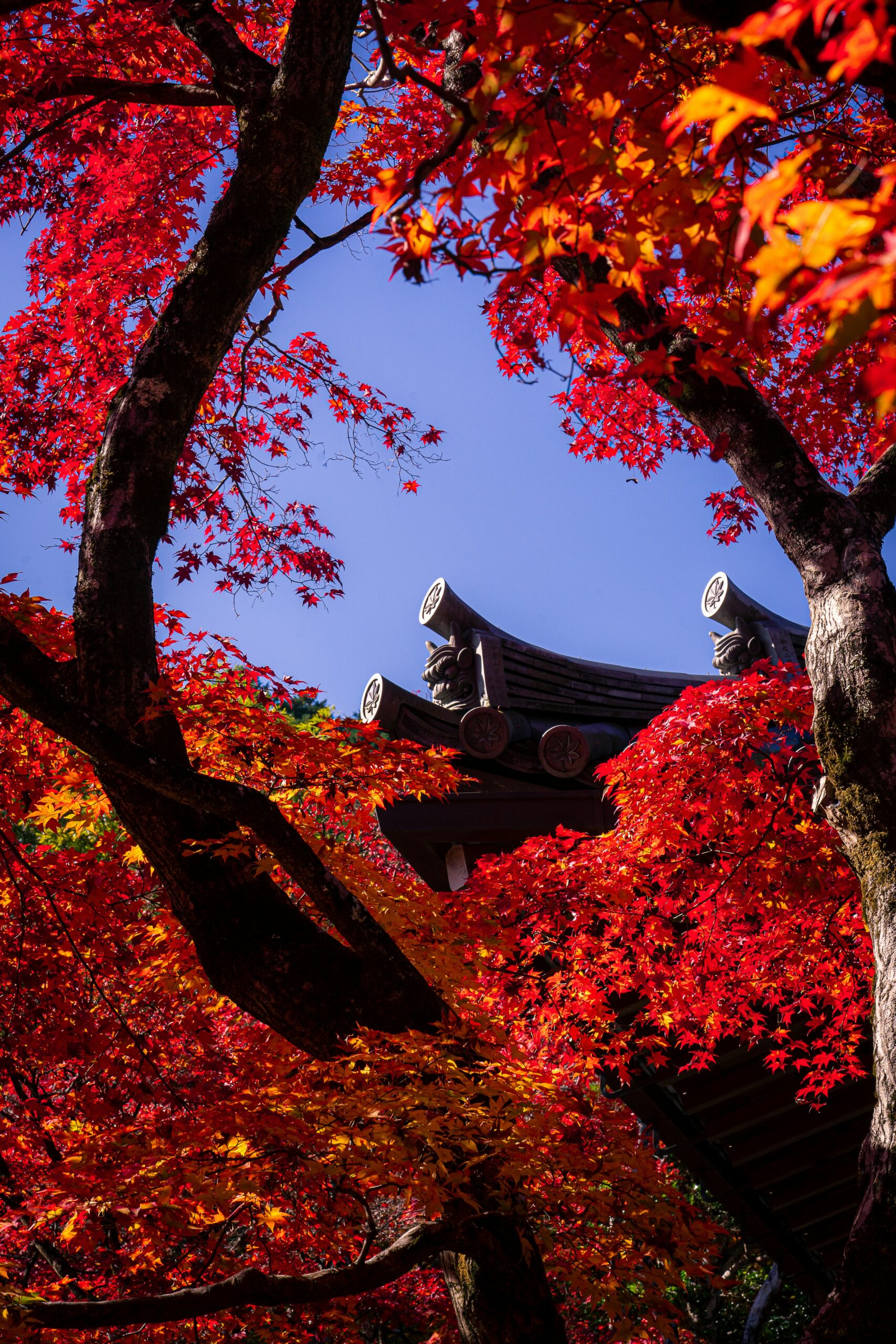
In autumn the entire region transforms into a sea of red and gold maple leaves. During winter snow blankets the temple roofs, giving the area an almost mystical stillness.
One thing that surprised me during my visit was how quickly the atmosphere changes once you leave the shrine district. Within minutes you can move from crowded temple grounds to quiet mountain roads overlooking deep valleys.
Key Visitor Information
| Category | Information |
|---|---|
| Location | Tochigi Prefecture, Japan |
| Nearest Major City | Tokyo |
| Best Time to Visit | Late October–Early November (Autumn foliage) |
| Admission | Park is free, shrine areas charge entrance fees |
| Transport | JR or Tobu trains from Tokyo (~2 hours) |
Highlights Inside Nikko National Park
Toshogu Shrine
The ornate Toshogu Shrine complex is the most famous site in Nikko. The elaborate Yomeimon Gate and the famous “three wise monkeys” carving attract visitors from around the world.
Kegon Falls
Kegon Falls plunges nearly 100 meters from Lake Chuzenji into a dramatic gorge. It is considered one of Japan’s most beautiful waterfalls.
Lake Chuzenji
Formed by volcanic activity from Mount Nantai, Lake Chuzenji offers stunning mountain views, boat rides, and lakeside walking paths.
How to Visit Nikko from Tokyo
- Take the Tobu Limited Express from Asakusa Station.
- Or take the JR Tohoku Shinkansen to Utsunomiya and transfer to the JR Nikko Line.
- From Tobu Nikko Station, buses connect to the shrine area and Lake Chuzenji.
If you plan to explore the Okunikko mountain area or drive the scenic Irohazaka Road, renting a car can make the trip much easier.
Travel Tips for Nikko
- Arrive early in autumn to avoid heavy crowds.
- Wear comfortable walking shoes for temple stairs and forest trails.
- Weather can change quickly in the mountains, so bring layers.
- Carry cash because some small shops do not accept cards.
Nikko vs Other Japan Nature Destinations
| Destination | Best Feature | Distance from Tokyo |
|---|---|---|
| Nikko | UNESCO temples + waterfalls | 2 hours |
| Hakone | Hot springs + Mt Fuji views | 1.5 hours |
| Fuji Five Lakes | Mt Fuji scenery | 2 hours |
FAQ
Is Nikko worth visiting?
Yes. Nikko offers a rare combination of UNESCO temples, forests, waterfalls, and mountains within easy reach of Tokyo.
How many days do you need in Nikko?
One full day is enough for the main shrines, but two days allows time to explore Lake Chuzenji and the surrounding mountains.
When is the best time to visit Nikko?
Autumn foliage season in late October and early November is considered the most beautiful time.
Can Nikko be visited as a day trip?
Yes. Many travelers visit Nikko as a day trip from Tokyo using Tobu or JR trains.
Official Information
Final Thoughts
Nikko National Park is one of those places in Japan where culture and nature meet in the most dramatic way possible. Ancient shrines rise from cedar forests, waterfalls thunder down mountain cliffs, and quiet lakes reflect volcanic peaks.
If you want to see a side of Japan that combines spiritual history with stunning landscapes, Nikko is easily one of the most rewarding trips you can take from Tokyo.