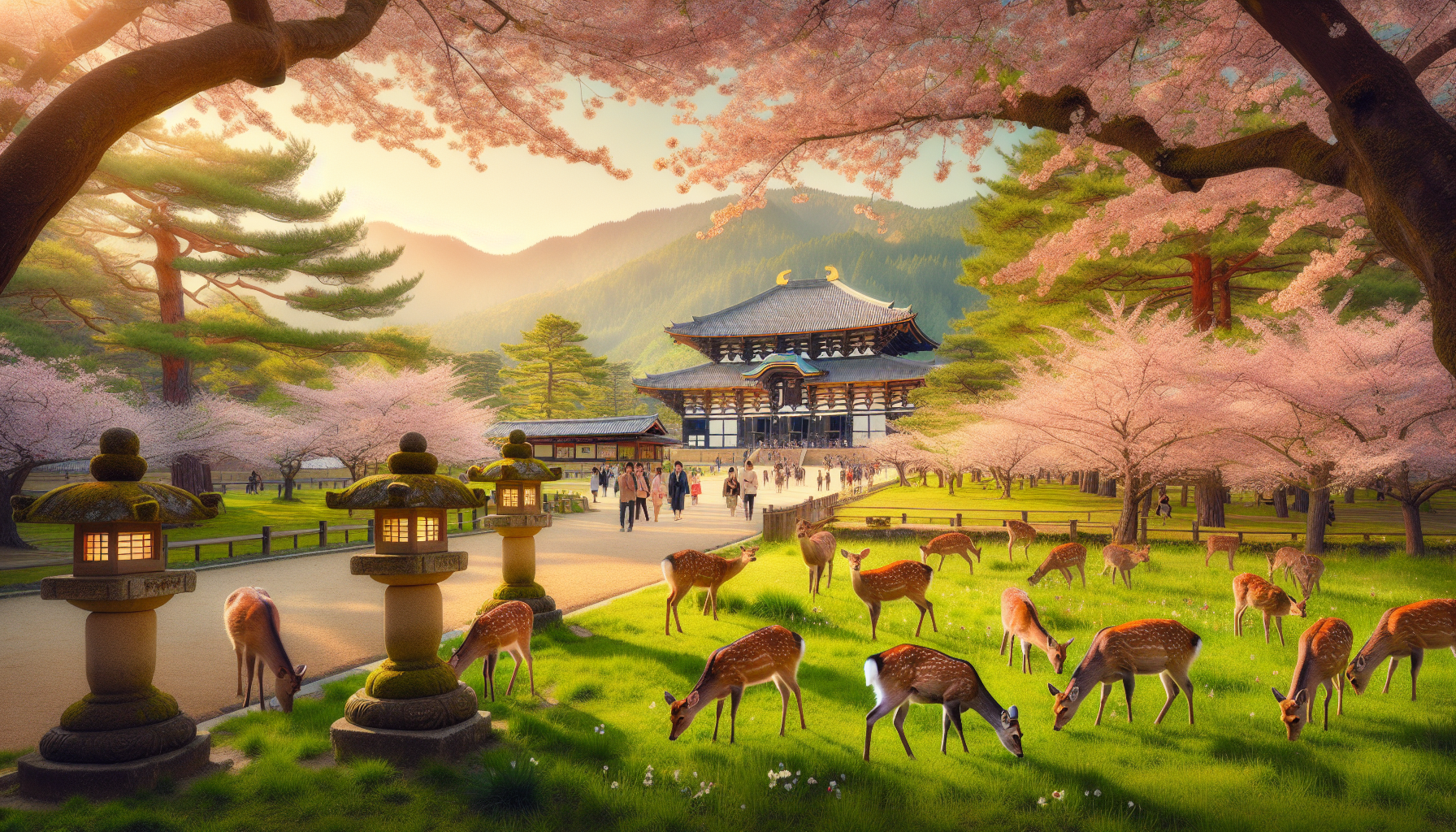
Nestled in the heart of Nara, Nara Park is a tapestry woven with the threads of centuries-old tradition, breathtaking natural beauty, and the gentle presence of sacred deer. As you enter this verdant expanse, the outside world fades away, replaced by the tranquil whispers of ancient trees and the soft padding of deer wandering freely. This remarkable destination is not just a park; it is the living soul of Nara, where Shinto and Buddhist heritage blend seamlessly with the rhythms of nature. Whether you come seeking spiritual enlightenment, historical marvels, or simply a moment of serenity, Nara Park promises an experience that resonates deeply with every traveler.
Why Visit Nara Park
Few places in Japan evoke the harmonious blend of culture, wildlife, and history as Nara Park. Established in 1880, the park sprawls across 660 hectares, offering a serene oasis from the city’s bustling pace. It is world-renowned for its population of over a thousand freely roaming sika deer, regarded as messengers of the gods in local Shinto belief. The deer wander gracefully among visitors, unafraid and curious, embodying the spirit of coexistence that has defined Nara for generations. With majestic temples, iconic shrines, and scenic landscapes at every turn, Nara Park is a sanctuary for those seeking to immerse themselves in Japan’s ancient roots and natural grace.
Stepping into Nara Park
The first steps into Nara Park feel almost ritualistic. The air is thick with the scent of pine and cherry blossoms, depending on the season, and the playful calls of deer inspire a sense of wonder. Towering above the park’s gentle hills are the pagodas of Todai-ji and Kofuku-ji, their wooden beams darkened by centuries of sun and rain. Along winding stone paths, you’ll find clusters of lanterns, moss-covered and stoic, leading pilgrims and wanderers alike to sacred spaces. Children laugh as they offer shika senbei (deer crackers) to the deer, who bow politely in anticipation. Each corner of the park offers a new tableau—history, religion, and nature entwined in a delicate dance.
Key Information Table
| Category | Details |
|---|---|
| Location | Nara, Nara Prefecture, Japan |
| Official Website | https://www.visitnara.jp |
| Opening Hours | Open 24 hours (temple/shrine hours vary) |
| Entry Fee | Free (fees apply for temples/shrines) |
| Best Time to Visit | Spring (March–May), Autumn (October–November) |
| Accessibility | Wheelchair accessible paths available |
| Nearby Public Transport | Kintetsu Nara Station (10 min walk) |
Immersive Cultural Experiences
Beyond the deer and the landscape, Nara Park is a living classroom of Japanese spirituality and artistry. At the heart of the park stands Todai-ji, home to the Daibutsu, a colossal bronze Buddha that radiates serenity and awe. The temple’s vast wooden hall, the largest of its kind in the world, invites silent contemplation amid incense and golden light. Nearby, the vermilion pillars of Kasuga Taisha Shrine glow softly beneath a canopy of ancient cedars, each lantern a prayer for peace. Throughout the year, you can witness tea ceremonies in traditional pavilions, engage with local artisans crafting Nara’s famed calligraphy brushes, or simply meditate by the ponds, watching reflections ripple in timeless stillness.
Seasonal Festivals and Special Events
Nara Park’s calendar is punctuated by festivals that pulse with color, light, and devotion. In early February, the Wakakusa Yamayaki sees the slopes of Mount Wakakusa ablaze in a spectacular controlled burn, illuminating the winter night. Spring brings the Nara Tokae Lantern Festival, when thousands of candles transform the park into a sea of shimmering light, each flame a silent prayer. Autumn’s Deer Antler Cutting Ceremony is a unique tradition ensuring the safety of both deer and visitors, a testament to the deep respect for life that permeates the region. These events offer visitors a profound sense of connection—not only to Nara’s past, but to its ever-evolving present.
Google Map
How to Get There
Reaching Nara Park is a journey as seamless as it is scenic. From Osaka or Kyoto, frequent trains whisk you to Kintetsu Nara Station in under an hour. A gentle stroll from the station leads you through bustling arcades and quiet neighborhoods, until the city gradually gives way to the park’s sprawling green embrace. For those traveling from farther afield, JR Nara Station is also a convenient gateway, with local buses and taxis available for direct access. The journey itself is a prelude to the tranquility that awaits.
Nearby Attractions and Local Eats
Kofuku-ji Temple: Discover the elegance of one of Nara’s oldest temples, featuring a five-story pagoda and tranquil gardens.
Essential Travel Tips
To fully savor your visit to Nara Park, consider arriving early to enjoy the park’s quietest hours. Pack comfortable shoes, as the park’s expanse invites wandering down woodland paths and temple avenues. While the deer are gentle, respect local guidelines—feed only official deer crackers, and avoid sudden movements. Temples and shrines may request modest attire and quiet reverence, especially during ceremonies. For a taste of Nara’s culinary heritage, sample kakinoha sushi (persimmon leaf sushi) or savor the subtle sweetness of yomogi mochi (mugwort rice cakes) from local vendors. And don’t forget your camera—the interplay of light, shadow, and tradition makes every moment photograph-worthy.
What Makes This Destination Unique
Nara Park is more than just a scenic retreat; it is a living testament to Japan’s ability to honor the past while embracing the present. Where else in the world can you wander among sacred deer, touch the timbers of temples that have stood for over a millennium, and watch the seasons unfold in a symphony of color and light? The park’s enduring spirit is palpable in every bowing deer, every flickering lantern, every whispered prayer. It is a place where history lives not in the pages of books, but in the air you breathe and the paths you walk. In Nara Park, the boundaries between human and nature, sacred and everyday, dissolve—leaving only the profound sense of belonging to something timeless and beautiful.