Pont du Gard France Guide: Best Time to Visit, What to Do, and How to Experience It Right
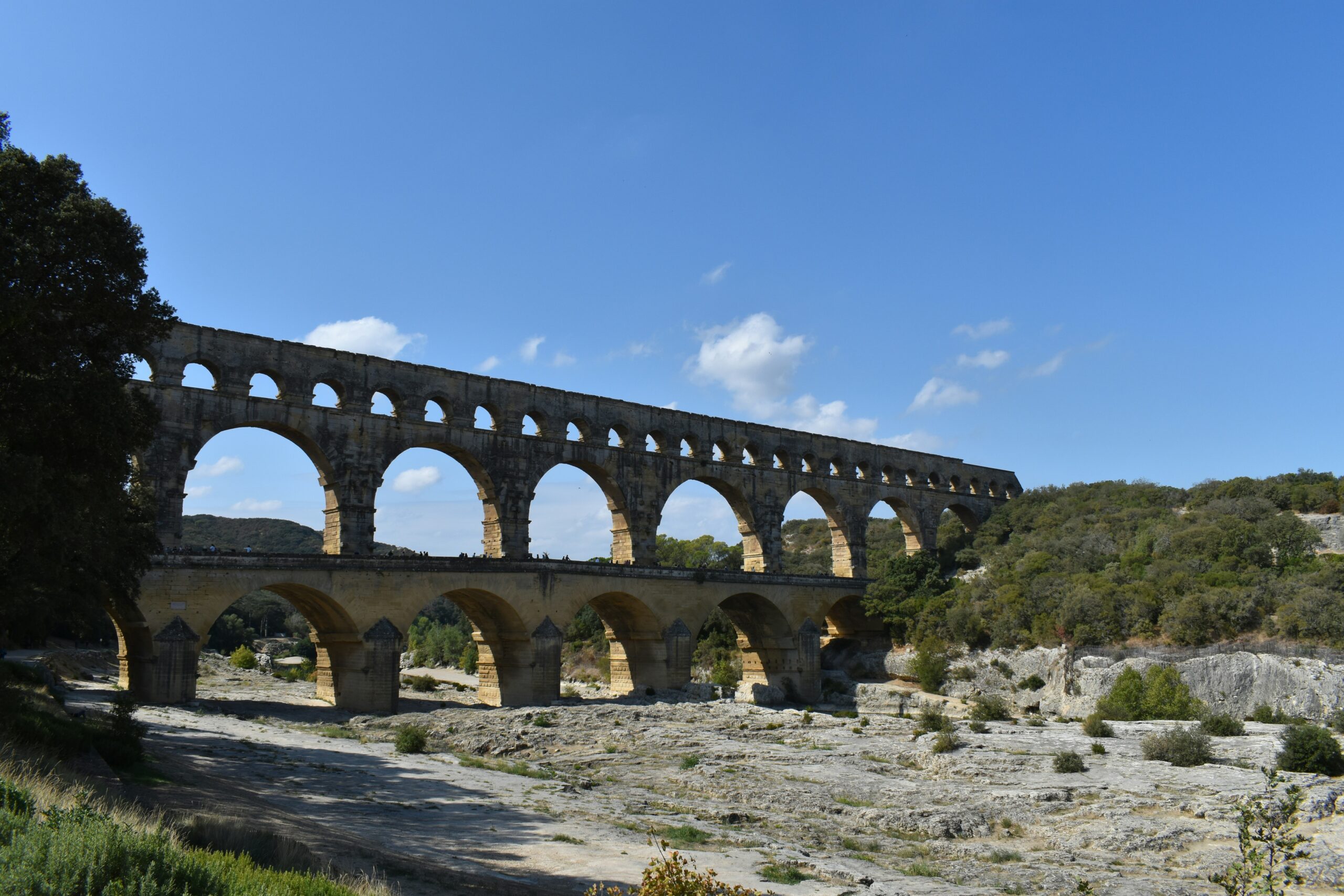
Pont du Gard France is one of the most awe-inspiring Roman monuments in Europe, rising above the Gardon River with a scale that still feels almost impossible to comprehend. The first time I saw it in person, what surprised me most was not just the engineering, but the atmosphere around it. The stone seemed to glow under the southern light, the river moved quietly below, and the whole place felt far more alive than many ancient sites ever do.
This is not simply an archaeological stop for history lovers. Pont du Gard combines Roman ingenuity, Provençal scenery, river swimming, family-friendly walking paths, and one of the most visually powerful heritage settings in southern France. If you want a place that feels monumental without feeling lifeless, this is it.
Quick Summary
- Pont du Gard is a monumental Roman aqueduct bridge in Occitanie, southern France
- It is a UNESCO World Heritage Site and one of the best-preserved Roman engineering works in the world
- The site works equally well for history, photography, walking, kayaking, and relaxed river time
- Early morning and late afternoon are the best times for light, atmosphere, and fewer crowds
- It pairs especially well with Uzès, Nîmes, and a scenic Provence-style road trip day
Why Pont du Gard France Matters
There are Roman ruins across Europe, but Pont du Gard feels different because it still dominates the landscape with startling physical force. Many ancient sites are understood through plaques, reconstructions, or imagination. Here, the monument does the convincing itself. The three tiers of arches rise so naturally above the river valley that the structure seems both engineered and elemental at the same time.
That dual identity is exactly what makes the visit memorable. It is an extraordinary feat of Roman engineering, but it is also part of a wider Mediterranean environment of riverbanks, limestone, scrubland, cicadas, and hot summer light. You are not just looking at history behind a barrier. You are standing inside a living landscape that still gives the monument context and energy.
For travelers, Pont du Gard also succeeds because it offers more than one kind of reward. It works for architecture lovers, families, photographers, casual road trippers, and people who simply want a scenic stop that does not feel manufactured. It has weight, but it also has air and water around it. That balance is rare.
What It Feels Like to Arrive at Pont du Gard
The first glimpse of Pont du Gard really is the kind of travel moment that resets your internal pace. You walk toward it through a relatively calm setting, and then suddenly the arches appear with a scale that photographs never fully communicate. The structure is elegant from a distance, but up close it feels massive and muscular.
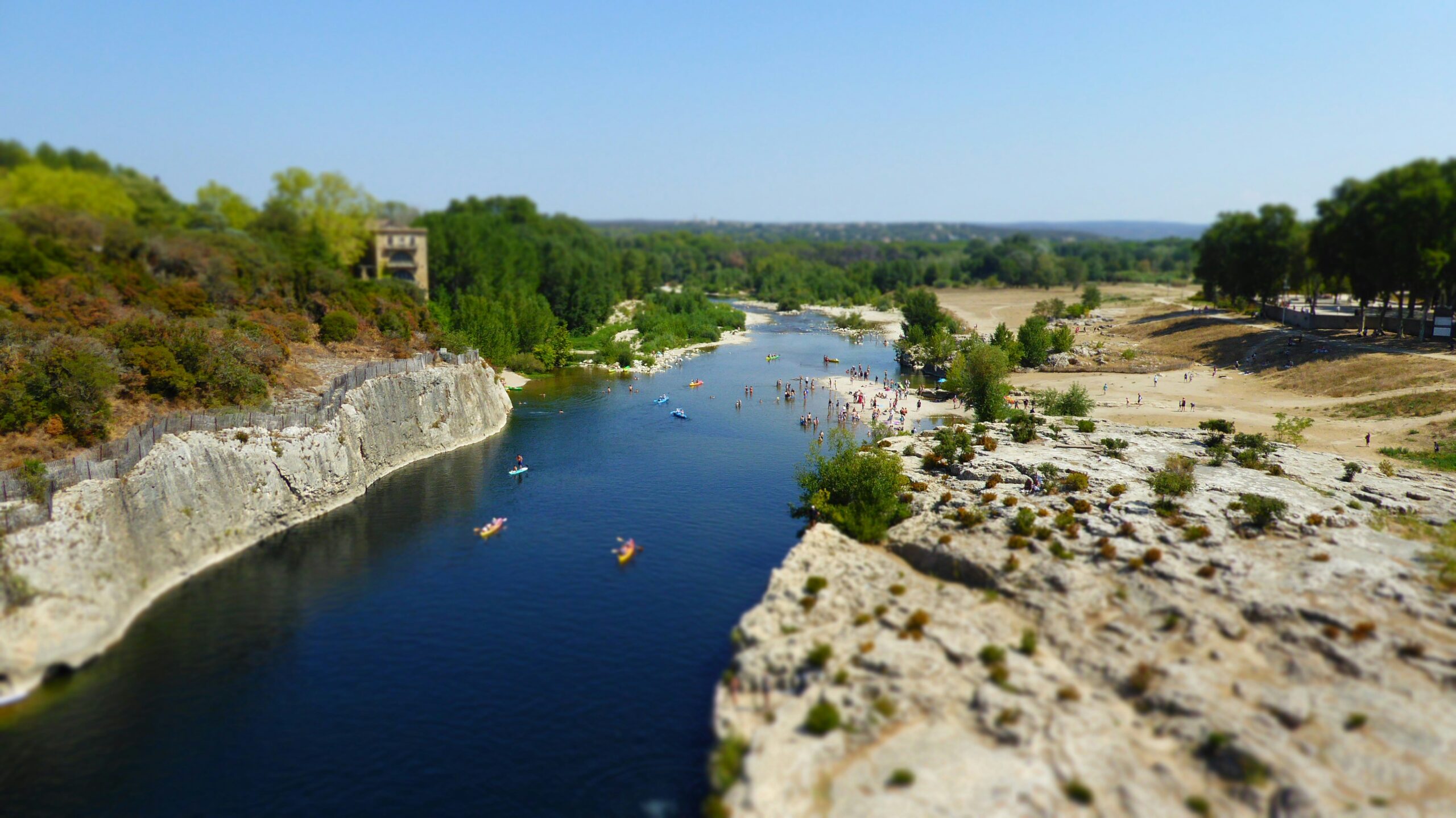
I think this is where the place becomes more than just “famous.” The river below softens the monument. Children splash near the banks, kayaks pass through the valley, and people spread out along paths and viewpoints instead of funneling into one cramped tourist corridor. That open space changes the experience. You can look, move, pause, and absorb it at your own rhythm.
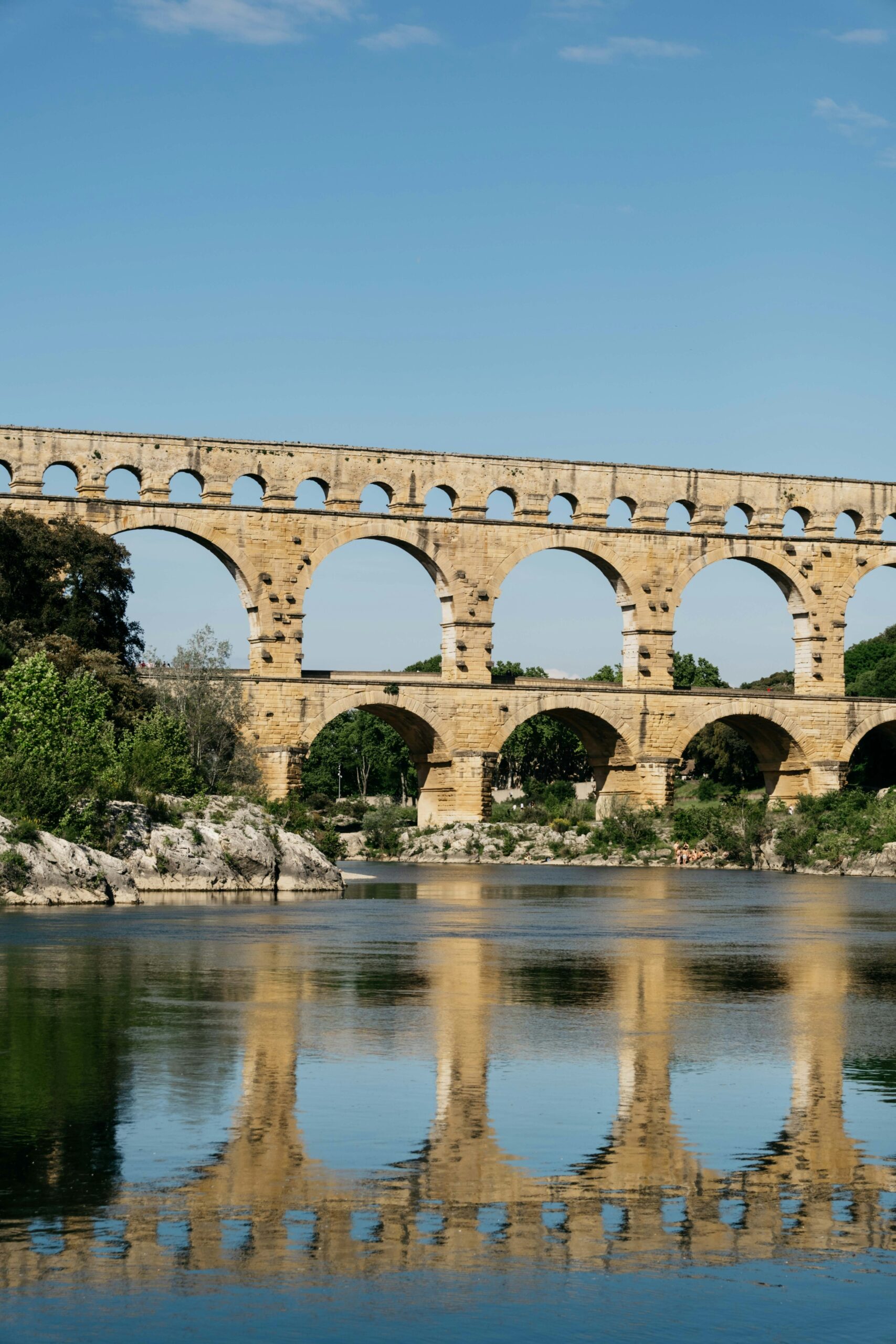
On my own ideal visit, I would avoid the hard middle of the day. The stone is beautiful then, but the softer morning or late-afternoon light makes the whole scene more emotional. The bridge turns warmer, the water reflects better, and the site feels less like a checklist stop and more like a place you actually entered.
History and Cultural Context
Pont du Gard was built as part of the aqueduct system that carried water toward ancient Nîmes, then known as Nemausus. Its purpose was practical, but the execution was astonishingly ambitious. Even now, the bridge feels like proof that Roman infrastructure was never only about utility. It was also about projection, order, and confidence.
The monument’s survival is a major part of its impact today. It is not a fragment or a symbolic remnant. It still stands with extraordinary clarity, which is one reason it became a UNESCO World Heritage Site. The surrounding region adds another layer: this is a landscape shaped by Roman history, Provençal culture, and the slower agricultural rhythms of southern France.
That wider setting matters. Pont du Gard is not an isolated masterpiece dropped into nowhere. It belongs to a region where markets, vineyards, olive groves, stone villages, and Roman legacies all still coexist. The best visit is not just about the aqueduct itself, but about feeling how naturally it fits into the character of Occitanie and nearby Provence.
Highlights of Visiting Pont du Gard
- See one of the most impressive surviving Roman aqueduct bridges in the world
- Enjoy a UNESCO-listed monument in a scenic open-air river setting
- Combine history, photography, walking paths, and river leisure in one stop
- Explore the visitor spaces for context before or after seeing the monument
- Pair the site with Uzès or Nîmes for a stronger southern France itinerary
Key Visitor Information
| Location | Vers-Pont-du-Gard, Occitanie, France |
| Type | Roman aqueduct bridge |
| UNESCO Status | World Heritage Site |
| Best Time to Visit | Morning or late afternoon |
| Typical Visit Length | 2 to 4 hours |
| Site Access | Open-access site; parking and some guided experiences are charged |
| Official Advice | Check official hours and visitor information before arrival |
Cultural Experiences Around the Site
Pont du Gard works especially well because the visit can expand beyond monument viewing. The wider site includes interpretation spaces and cultural programming, but the region itself also strengthens the experience. This part of southern France is rich in local produce, village markets, Roman history, and a slower outdoor lifestyle that fits the monument perfectly.
One of the best ways to deepen the visit is to avoid treating it as a quick photo stop. Give yourself time for a riverside pause, a slow walk, or a nearby meal rather than racing to the next attraction. The contrast between ancient engineering and the softness of the surrounding landscape is part of what makes the destination memorable.
How to Visit Pont du Gard Smoothly
The easiest way to plan Pont du Gard is to think of it as either a half-day scenic heritage stop or part of a wider regional loop with Uzès, Nîmes, or Avignon. If you are driving, access is simple and flexible. If you are relying on public transport, planning matters more, so check current connections in advance rather than assuming spontaneous convenience.
I would personally structure the day around light and temperature. Arrive earlier if you want calm, cleaner photos, and easier walking. Arrive later if you want warmer tones and a more atmospheric finish. Midday can still work, but in hot months it can feel much harsher than the photos suggest.
Go early or late if you want better light, less heat, and a more relaxed pace around the river and viewpoints.
Bring water, walking shoes, and swimwear in warm weather. This is one of those heritage sites where outdoor comfort changes the whole experience.
Do not rely on old blog posts for operational details. Check the official site for current opening hours, parking rules, and visitor options before you go.
Nearby Attractions and Local Food Pairings
Uzès is one of the best companions to Pont du Gard. It adds medieval streets, market atmosphere, and a more intimate town rhythm after the monument’s scale.
Nîmes is the stronger choice if you want to continue the Roman theme. It turns the visit into part of a broader ancient-history route rather than a standalone stop.
Avignon works well if you are building a bigger Provence-and-Occitanie day, especially for travelers moving by car.
For food, this region rewards simple choices: local olive products, market produce, southern French plates, and relaxed outdoor dining instead of overplanning a formal itinerary around the site.
Pont du Gard vs Other Historic France Experiences
| Destination | Best For | Main Feel |
|---|---|---|
| Pont du Gard | Roman engineering + open-air landscape | Monumental, scenic, physical, outdoorsy |
| Maison Carrée, Nîmes | Urban Roman heritage | Compact, elegant, city-centered |
| Avignon historic center | Medieval city atmosphere | Dense, cultural, architectural |
| Uzès old town | Market town charm | Relaxed, local, textured |
If Avignon feels urban and Uzès feels intimate, Pont du Gard feels elemental. It is less about enclosed culture and more about history standing out in the landscape.
Who Should Visit Pont du Gard
- Travelers interested in Roman engineering and UNESCO heritage
- Photographers who want dramatic landscape-and-monument compositions
- Families looking for a historic site that does not feel overly rigid
- Road trippers exploring Provence or Occitanie by car
- Visitors who want a mix of history, nature, and open-air freedom in one stop
Pont du Gard may be less ideal only for travelers who want a quick indoor museum-style visit with minimal walking. The site’s real strength is its outdoor scale and atmosphere.
FAQ
Is Pont du Gard worth visiting?
Yes. It is one of the most visually impressive Roman monuments in France and works well for both history-focused and scenic travelers.
How long do you need at Pont du Gard?
Most visitors should allow at least 2 to 4 hours, especially if combining viewpoints, walking, and time by the river.
Can you swim near Pont du Gard?
In warm weather, many visitors enjoy the river areas around the site, but conditions always depend on season, safety, and local rules.
Is Pont du Gard free?
The official site states that access to the Pont du Gard site is free and open, while parking and some guided or special experiences are charged.
What is the best time to visit?
Morning and late afternoon are usually the best times for cooler temperatures, fewer crowds, and more photogenic light.
Can you visit Pont du Gard without a car?
Yes, but it is easier with a car. Public transport is possible depending on your route, but it requires more planning.
Why is Pont du Gard famous?
It is famous for its extraordinary preservation, Roman engineering significance, and dramatic three-tiered design.
Is Pont du Gard good for families?
Yes. The open setting, walking space, and mix of heritage and nature make it one of the more family-friendly historic sites in the region.
More France Travel Guides
Official and Useful Resources
Google Map
Final Thoughts
Pont du Gard France is one of those places that feels instantly important the moment you arrive. Not because someone told you it matters, but because the monument itself makes the case with almost no help. The scale, the light, the river, and the age of it all combine into something that feels both grand and strangely calming.
If you give yourself enough time, avoid the harshest part of the day, and let the visit stretch beyond a quick photo stop, Pont du Gard can easily become one of the strongest heritage memories in southern France. It is ancient, but it does not feel remote. It still feels alive.