Scala dei Turchi Sicily Guide: How to Visit, Best Time to Go, and What to Expect
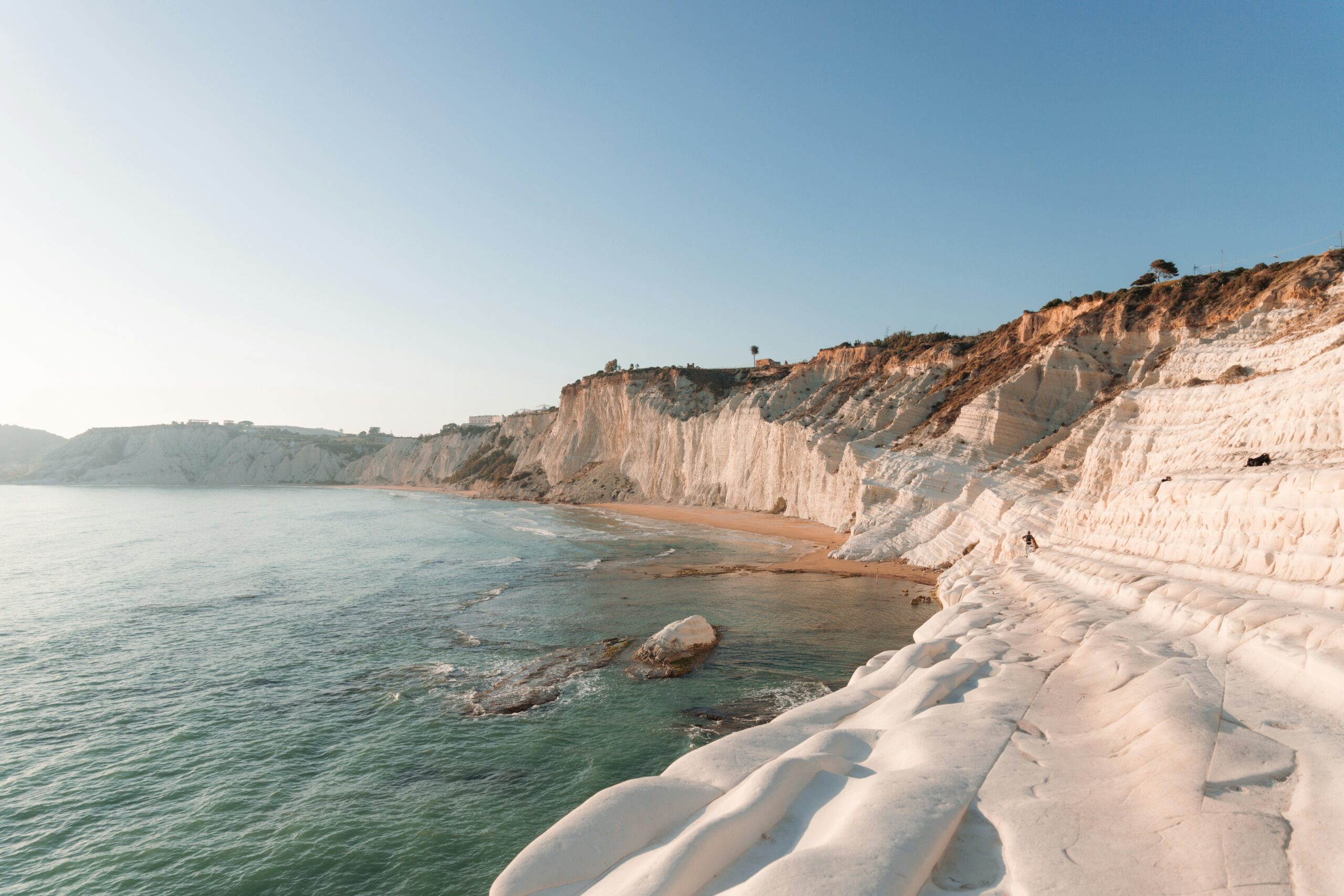
Scala dei Turchi Sicily is one of the most extraordinary coastal landscapes in Italy—a luminous white marlstone cliff rising above the turquoise waters of Sicily’s southern shoreline near Realmonte. From a distance, the formation looks almost unreal, like a giant staircase carved into the Mediterranean coast. The first time I saw it, the contrast between the glowing white rock and the deep blue sea genuinely stopped me in my tracks. Wind and sea have sculpted the surface into smooth terraces that seem almost polished, creating a place that feels part natural monument, part open-air theater, and part dreamscape.
For travelers exploring southern Sicily, this is not just another scenic stop. It is one of those rare places where the landscape does the talking before you even say a word. The white cliff changes personality depending on the hour: blindingly bright at midday, creamy and soft in the afternoon, and almost golden as the sun drops lower over the sea. If you are building an Agrigento itinerary, Scala dei Turchi is one of the most memorable places you can add.
Quick Summary
- Scala dei Turchi is a white marlstone cliff near Realmonte on Sicily’s southern coast
- It is one of the island’s most iconic natural landmarks and a classic stop near Agrigento
- Sunrise and late afternoon are the best times for cooler temperatures and softer light
- Current access conditions can be regulated, so checking official sources before visiting is essential
- It pairs naturally with the Valley of the Temples, Porto Empedocle, and nearby beaches
Why Scala dei Turchi Matters
Italy is full of dramatic coastlines, but Scala dei Turchi stands apart because of its texture, color, and shape. This is not a rugged dark cliff or a jagged volcanic edge. It is a bright white marl formation, rounded by centuries of marine erosion into broad terraces that resemble oversized steps descending toward the water. That unusual geometry is exactly why it has become one of Sicily’s most photographed natural landmarks.
Its name, which translates to “Stair of the Turks,” is tied to local legend. According to Sicilian tradition, pirate raiders arriving by sea once used the sheltered bay below as a landing point. Whether the story is fully literal or partly folkloric, the name has endured because it captures something theatrical about the place. The cliff looks like an entrance, a stage, a staircase, and a lookout all at once.
What makes it matter even more for a modern traveler is that it combines multiple travel motives in one stop. It is a geological curiosity, a Mediterranean viewpoint, a beach break, a photography location, and a natural counterpoint to the archaeological grandeur of nearby Agrigento. In one short drive, you can move from ancient Greek temples to a white coastal formation that feels almost lunar.
What It Feels Like to Walk the White Terrace
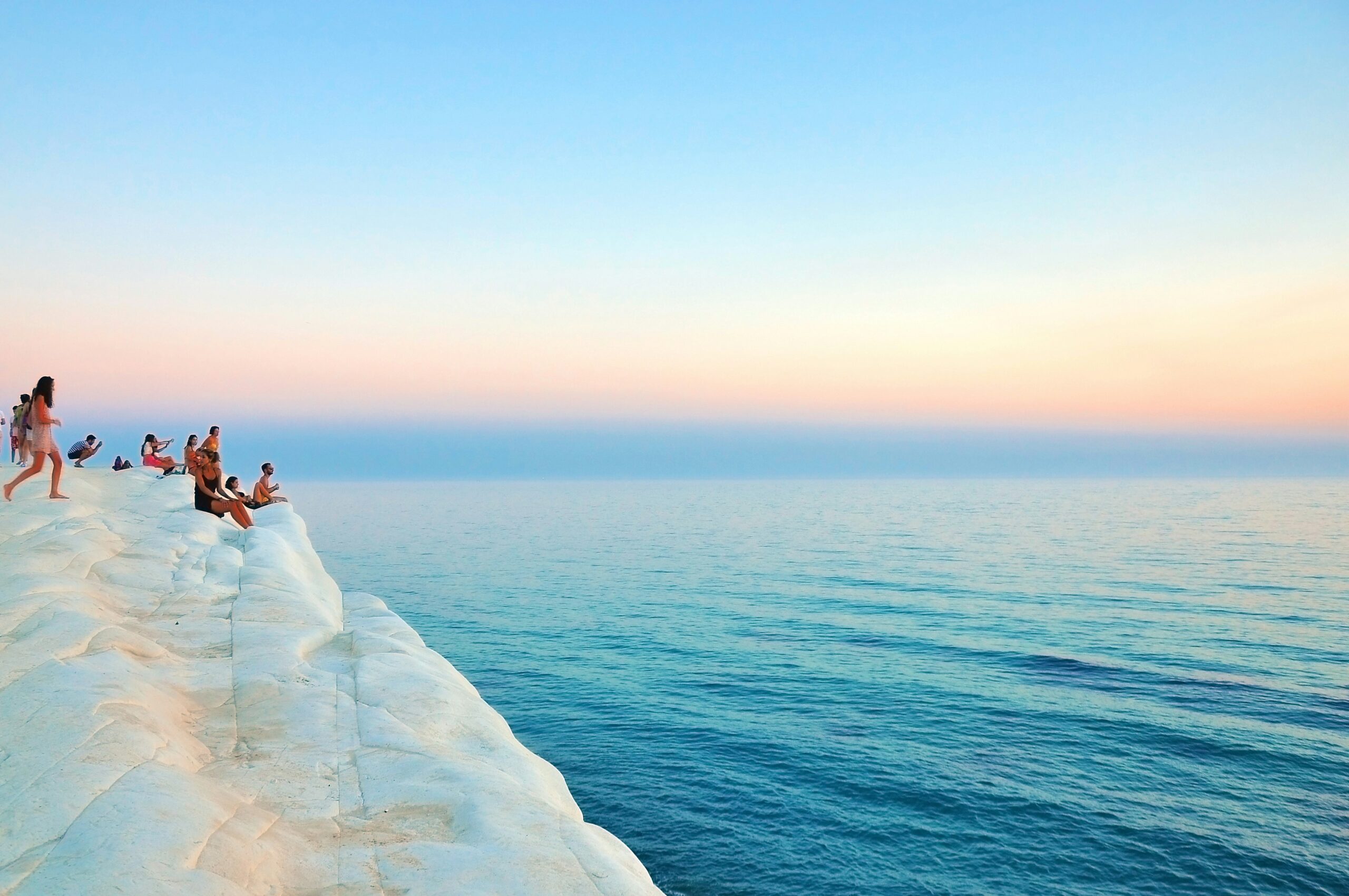
Standing on the marlstone terraces feels almost surreal. The rock is smooth in a way that photographs do not fully prepare you for, and the curves soften the whole landscape. There is no harsh angle anywhere. Instead, everything flows—white surface, blue horizon, pale sky, and the occasional shimmer of sun on the sea.
I made the mistake of arriving too close to midday on one visit, and I still remember how intense the glare was. The white surface reflected so much light that I instinctively squinted the whole time, and the heat rising from the rock made the stop feel shorter than it should have been. It was still beautiful, but it was not comfortable. Later, when I returned closer to sunset, the place felt completely different. The bright white cliff turned warm and creamy, the breeze picked up, and the atmosphere shifted from “tourist stop” to something much quieter and more emotional.
That is what stays with me most. Scala dei Turchi is visually dramatic, yes, but it is also strangely calming once the light softens. Sitting there with the sea in front of you and the smooth white stone beneath you, the place feels less like an attraction and more like a pause button.
History and Cultural Context
The wider Agrigento area has been important for thousands of years. Ancient Greek settlers founded Akragas nearby in the 6th century BC, and the city later became one of the most significant Greek centers in the Mediterranean. That heritage still dominates the region’s cultural identity, especially through the Valley of the Temples, but Scala dei Turchi offers a different lens on southern Sicily: not monumental architecture, but natural form shaped by time.
Sicily itself has passed through Greek, Roman, Byzantine, Arab, Norman, Aragonese, and Spanish influence, and that layered history still shows up in local food, vocabulary, town planning, and architecture. That is one reason a stop at Scala dei Turchi never feels isolated from its surroundings. Even though the cliff is a natural formation, it sits inside one of the most historically dense regions in Italy.
The site also became better known internationally through the cultural aura surrounding Andrea Camilleri’s Sicily. Travelers who came for literary Sicily, cinematic coastal scenes, or the broader Agrigento area often added Scala dei Turchi to their route, and over time it evolved from regional landmark to international icon. Today, it carries both beauty and vulnerability, which is why visitors should treat it less like a theme-park viewpoint and more like a fragile landscape.
Highlights of Visiting Scala dei Turchi
- See one of Sicily’s most recognizable natural coastal formations
- Enjoy the contrast between white marlstone, sandy beach, and blue Mediterranean water
- Photograph the cliff during late afternoon when the light becomes softer and warmer
- Pair a nature stop with the Valley of the Temples for one of the best day itineraries in southern Sicily
- Experience a landscape that feels peaceful, sculptural, and unlike most other Italian seaside viewpoints
Key Visitor Information
| Location | Realmonte, near Agrigento, Sicily |
| Landscape Type | White marlstone cliff and beach area |
| Best Time of Day | Sunrise, late afternoon, or sunset |
| Recommended Visit Length | 1.5 to 3 hours |
| Best Trip Style | Half-day stop or combined day trip with Agrigento |
| Important Note | Access rules may be regulated, so verify the latest entry conditions before you go |
Cultural Experiences Nearby
The atmosphere around Scala dei Turchi feels deeply Sicilian. Realmonte and Porto Empedocle are not polished postcard towns in the same way as some northern Italian destinations; they feel more lived-in, slower, saltier, and more local. That is part of the appeal. After the cliff, the best move is often not to rush off to the next headline attraction but to sit down somewhere simple for seafood, bread, and a cold drink.
You will notice how the culture here is tied to the coast. Fishing, beaches, summer festivals, harbor life, and long evening meals all shape the rhythm of the area. Dishes such as pasta con le sarde, grilled fish, and couscous di pesce connect the landscape to the table. I always think places like this make more sense once you stop trying to “complete” them and instead give yourself time to sit, eat, and look around.
If you can, keep your schedule loose enough to let the coast set the pace. Southern Sicily is at its best when it feels unforced.
How to Visit Scala dei Turchi
For most travelers, the easiest base is Agrigento. From there, reaching Scala dei Turchi by car is straightforward, and the stop works especially well before or after the Valley of the Temples. If you are driving through southern Sicily, it is one of the easiest landmark detours to fit into a broader route.
That said, the most important planning point is no longer just transport. It is access. In recent periods, entry and movement around the site have been regulated for conservation and safety reasons, with official pass systems and controlled visiting conditions appearing in local and regional visitor information. In other words, do not assume the experience will always work like an open beach stop from a decade ago.
My advice is simple: treat this as a place that requires a quick final check the day before your visit. Confirm whether the terraces are fully accessible, partially regulated, or viewable mainly from surrounding paths and beach areas. That one small step can save you from arriving with the wrong expectations.
Travel Tips That Actually Matter
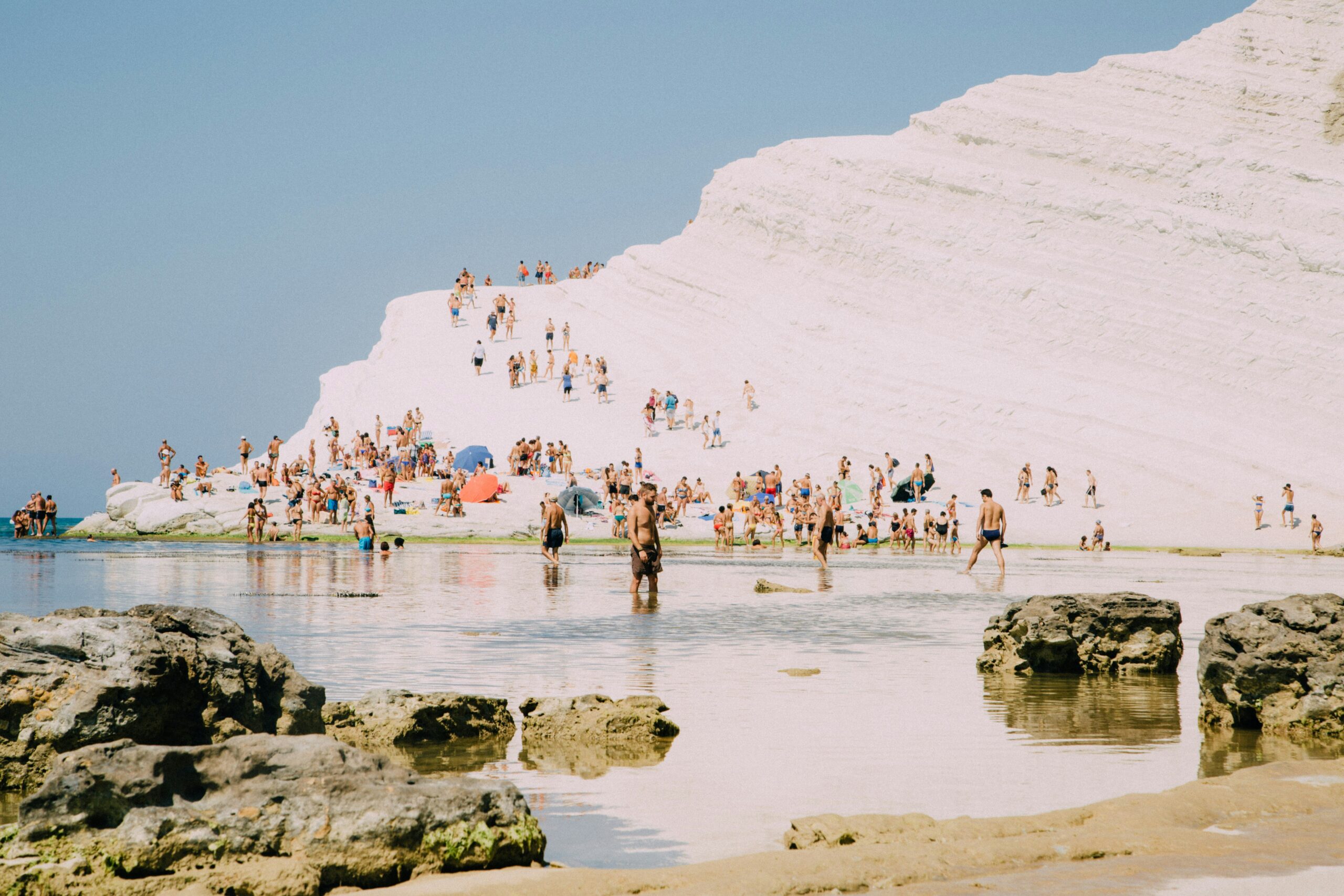
Midday is the harshest time here. The white surface reflects a lot of light, heat builds quickly, and photos often look flatter than they do later in the day.
Even if you are only planning a short stop, heat and glare can wear you down fast. I would not come here in flimsy footwear if the ground is damp or if you plan to move around much.
This is a fragile landscape, not a climb-anywhere adventure zone. Avoid treating it like a playground, and follow current visitor rules without improvising.
This is one of those places where weather, light, crowd levels, and access conditions shape the whole experience. If the exact terrace access you imagined is restricted, the view from nearby coastal points can still be worth the stop.
Nearby Places Worth Combining with Scala dei Turchi
Valley of the Temples is the obvious pairing and the strongest one. The contrast between ancient Greek monumental architecture and the white sea cliff makes the day feel balanced rather than repetitive. If you only have one full day in the area, combine these two.
Porto Empedocle is useful if you want a more local coastal pause. It gives you a harbor-town atmosphere that feels very different from the visual drama of the cliff itself.
Realmonte beaches add a more relaxed beach dimension if your aim is less “sightseeing circuit” and more “slow Sicily day.”
Agrigento old town is worth adding if you want evening atmosphere, dinner, and a more urban finish after the coast.
Scala dei Turchi vs Other Italian Coastal Landmarks
| Destination | Landscape | Best For |
|---|---|---|
| Scala dei Turchi | White marlstone terraces and beach | Geology, iconic photos, quiet sunset mood |
| Amalfi Coast | Steep cliffs and famous villages | Luxury scenery, road trip views, glamorous towns |
| Cinque Terre | Rocky coast and colorful villages | Hiking, village-hopping, postcard town views |
| Poetto Beach, Cagliari | Urban beach and long waterfront stretch | Easy beach day, city-and-sea balance |
If Amalfi feels cinematic and Cinque Terre feels storybook, Scala dei Turchi feels sculptural. It is less about villages and more about form, light, and the physical sensation of the coast itself.
Who Should Visit Scala dei Turchi
- Travelers building a southern Sicily itinerary around Agrigento
- Photographers chasing strong natural contrast and clean coastal composition
- Nature lovers who prefer landscapes over heavily commercialized resort scenes
- First-time Sicily visitors who want one instantly recognizable coastal stop
- Travelers who enjoy mixing archaeology, scenery, beach time, and food in one region
It may be less ideal for travelers who dislike sun exposure, want extensive facilities on-site, or expect every famous viewpoint to function like an easy all-access boardwalk. Scala dei Turchi is beautiful, but it still rewards patience more than convenience.
FAQ
Is Scala dei Turchi free to visit?
Not always in the simple way older guides suggest. Access conditions have been regulated at times, so always check the latest official visitor information before your trip.
Can you still walk on the white cliff?
That depends on the current rules in force when you visit. Conservation and safety measures can affect how the site is accessed, so verify the latest conditions shortly before arrival.
What is the best time to visit Scala dei Turchi?
Late afternoon and sunset are usually the most rewarding times for atmosphere, color, and comfort. Sunrise is also excellent if you want fewer people.
How long should I spend here?
Most travelers spend around 1.5 to 3 hours, especially if combining the stop with beach time or nearby viewpoints.
Is Scala dei Turchi good for photography?
Yes, it is one of the best coastal photography spots in Sicily. The contrast between white rock and blue water is especially strong in softer light.
Can I combine Scala dei Turchi with the Valley of the Temples?
Absolutely. It is one of the smartest pairings in the region and makes for a very balanced day trip in southern Sicily.
Is it family-friendly?
Yes, but families should be careful with heat, glare, and slippery surfaces. It is better approached as a scenic stop than a free-running play area.
Is Scala dei Turchi worth visiting if access is limited?
In my opinion, yes—provided you adjust expectations. Even when movement is regulated, the surrounding coastal views and the visual impact of the formation can still make the stop worthwhile.
More Travel Guides
Official and Useful Resources
Google Map
Final Thoughts
Scala dei Turchi remains one of Sicily’s most mesmerizing natural landscapes because it does not rely on spectacle alone. Yes, the white terraces are visually unforgettable. Yes, the contrast with the Mediterranean is stunning. But what makes the place linger in memory is the mood it creates once you slow down enough to feel it.
If you time your visit well, bring realistic expectations, and check the latest access rules before going, this stop can become one of the emotional highlights of southern Sicily. I would not describe it as a place to rush through. It is better as a late-afternoon pause, a sea-facing exhale, and one of those landscapes that quietly stays with you long after the trip ends.