Pont Neuf Paris Guide: Best Views, History, Nearby Spots, and What Makes It Special
Pont Neuf is one of those Paris landmarks that can look almost too familiar in photographs, then feel unexpectedly powerful in real life. The Seine moves beneath it, the Île de la Cité opens around it, and the city seems to unfold in layers the moment you step onto the stone. It is not just a bridge you cross. It is a place where Paris starts behaving like Paris.
Despite its name meaning “New Bridge,” Pont Neuf is actually the oldest standing bridge in Paris. That contradiction is part of its charm. It has witnessed monarchy, revolution, urban reinvention, everyday commutes, cinema, romance, and the slow continuity of city life, yet it still feels startlingly present.
Search Intent
This guide is for travelers who want to know whether Pont Neuf is worth visiting, what makes it historically important, when to go for the best atmosphere and photos, how to reach it easily, and how to combine it with a smart central Paris walking route.
Quick Summary
- Pont Neuf is the oldest standing bridge in Paris and one of the city’s most historically important crossings.
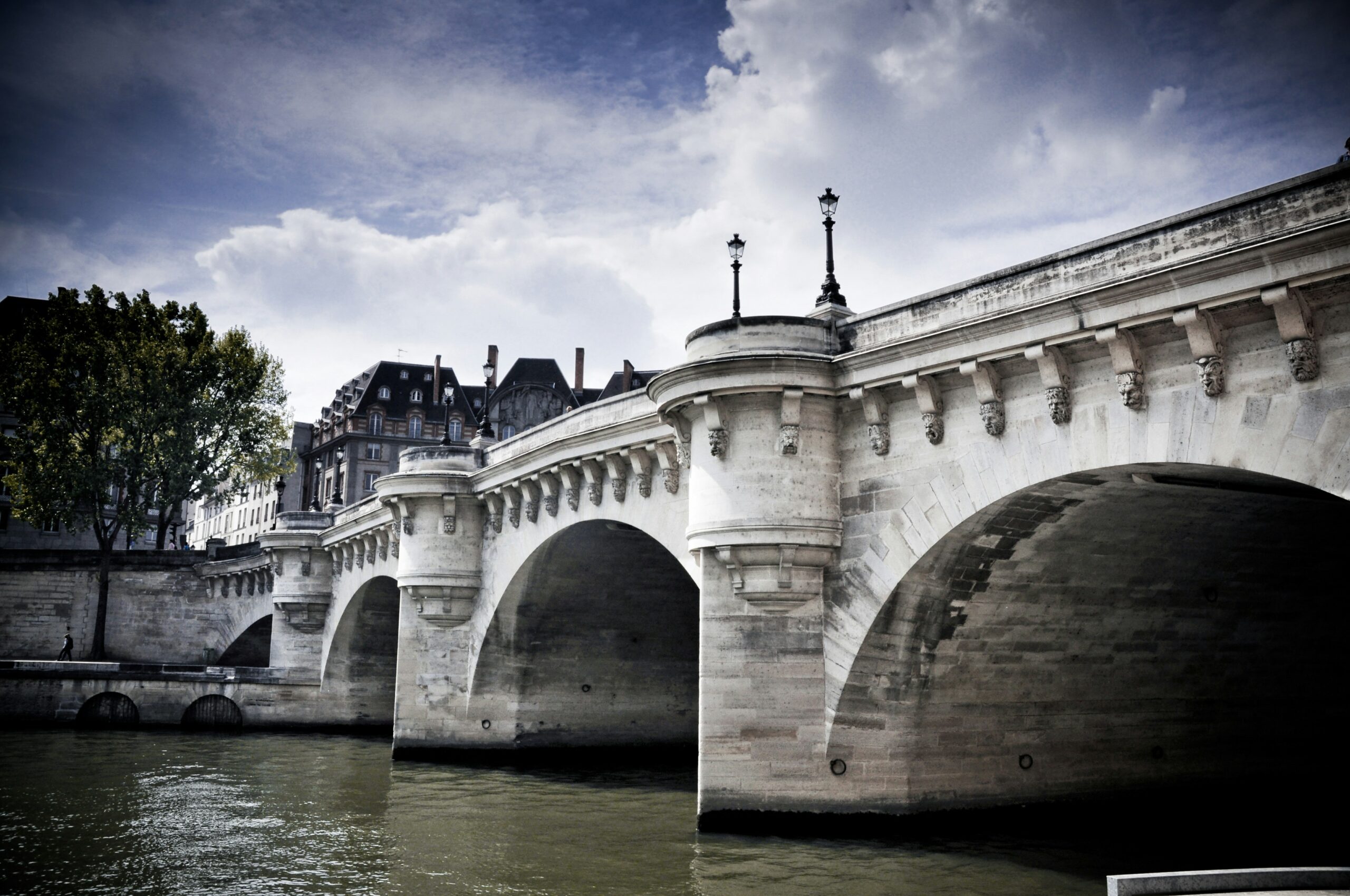
- It is famous for its 12 arches, 381 mascarons, and the equestrian statue of Henri IV.
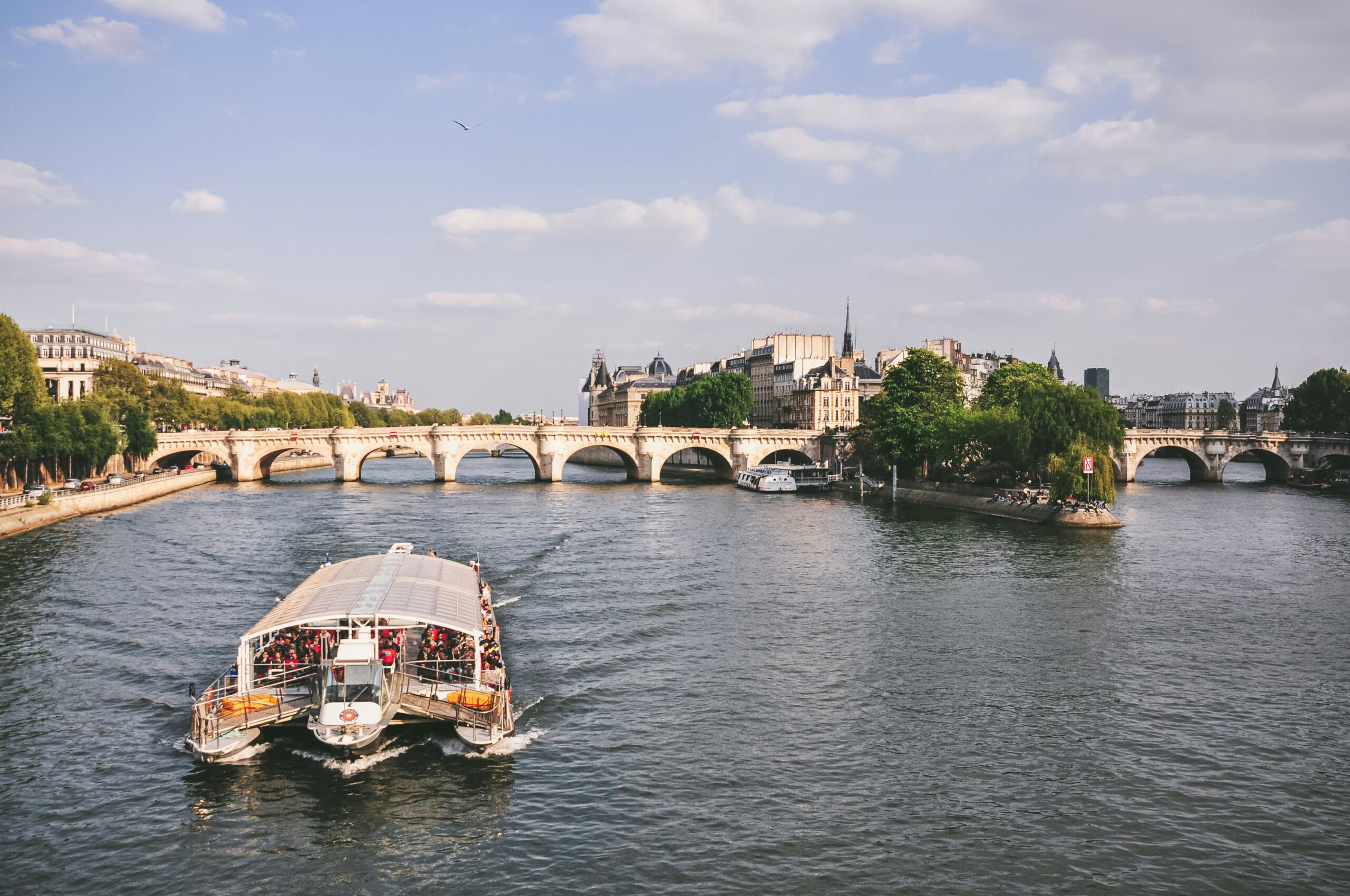
- The bridge offers some of the best easy views over the Seine, Île de la Cité, and surrounding monuments.
- Square du Vert-Galant at the western tip of the island adds a romantic riverside stop that many visitors remember more than expected.
- Pont Neuf works best as part of a slow Paris walk rather than a rushed check-the-box stop.
Why Visit Pont Neuf
Pont Neuf matters because it is more than old stone. It represents a turning point in Parisian urban design. The bridge was simpler and more modern in concept than many earlier medieval crossings, and even today it feels open, deliberate, and surprisingly human in scale. You do not visit it for one giant spectacle. You visit because it allows the whole city to come into focus.
The first time you slow down here, you notice how many versions of Paris intersect at once. On one side there is the institutional grandeur of the Louvre axis. On another, the layered density of Île de la Cité. Beneath you, the Seine keeps everything moving. Around you, Paris performs one of its favorite tricks: making daily life feel cinematic without trying too hard.
I think that is why Pont Neuf leaves such a strong impression. It is not loud, but it is deeply Parisian. It feels like a structural summary of the city—history, elegance, practicality, beauty, and a little theatricality, all balanced in stone.
What It Feels Like to Walk Across Pont Neuf
Approaching Pont Neuf on foot feels less like arriving at a monument and more like entering a Paris mood. The sidewalks are generous compared with what many people expect from an old bridge, and the perspectives keep changing as you move. The river opens wide, the island narrows toward its tip, and every few steps seem to offer a different composition of façades, water, stone, and sky.
What surprised me most the first time I really paid attention to Pont Neuf was how breathable it felt. Many central Paris landmarks are beautiful but crowded in a way that compresses the experience. Pont Neuf still has movement and people, of course, but it often gives you enough space to pause, lean, look, and let the city settle around you.
At sunset especially, the bridge becomes less about architecture and more about atmosphere. The light warms the stone, the Seine reflects streaks of gold and gray-blue, and even a short walk can feel oddly cinematic. It is one of those places where Paris stops being a postcard and starts feeling inhabited.
History and Cultural Context
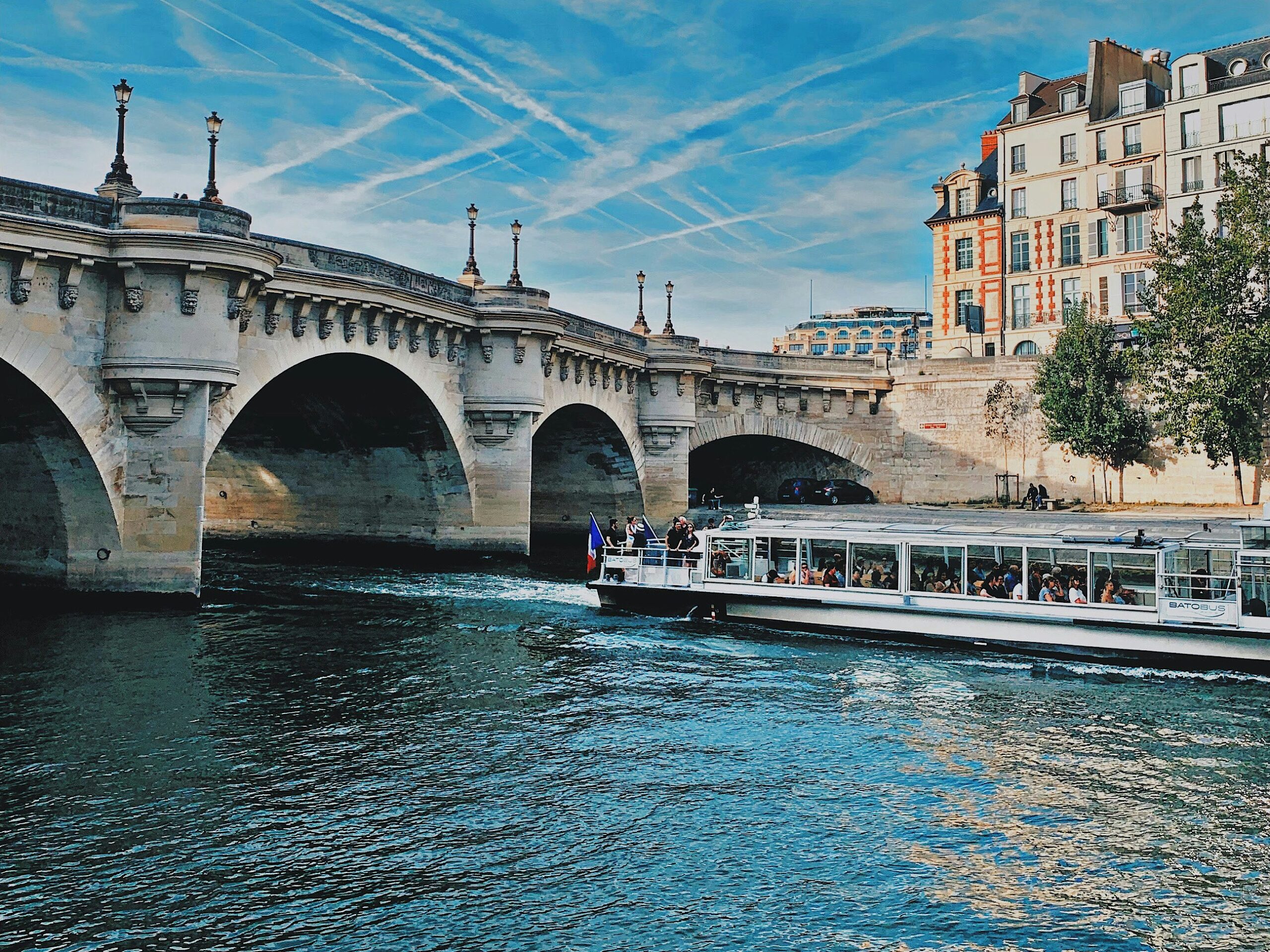
Pont Neuf was begun in 1578 and inaugurated in 1607 under Henri IV. Despite the name “New Bridge,” it is now the oldest standing bridge in Paris. It was conceived as a more open, more durable crossing, and over time it became one of the city’s great public stages. The bridge is also decorated with 381 mascarons, each originally distinct, which give it a visual richness many visitors notice only after they slow down and look up. :contentReference[oaicite:1]{index=1}
The equestrian statue of Henri IV at the center of the bridge area adds another strong historical layer. The original statue was installed in 1614, destroyed during the Revolution, and later replaced, reminding visitors that Pont Neuf has not simply survived history—it has absorbed it. Square du Vert-Galant below the statue also carries the memory of Henri IV through the king’s nickname, tying the bridge to both royal narrative and everyday riverside leisure. :contentReference[oaicite:2]{index=2}
What I like about Pont Neuf is that it does not feel trapped inside one historical period. Renaissance ambition, royal symbolism, revolution, urban promenade culture, and modern tourism all exist here at once. That layering is exactly what gives the site its staying power.
Highlights You Should Not Miss
- The 12 arches: they give Pont Neuf a more monumental rhythm than many Paris bridges.
- The mascarons: these carved stone faces are one of the bridge’s most distinctive historic details.
- The Henri IV statue: a central marker that anchors the bridge historically and visually.
- Square du Vert-Galant: a peaceful riverside garden at the island’s tip with excellent Seine views.
- The panoramic axis: from the bridge, you get easy views toward the Louvre side, the riverbanks, and the heart of old Paris.
Insider note:
Key Visitor Information
| Item | Details |
|---|---|
| Location | Western end of Île de la Cité, central Paris |
| Completion | Inaugurated in 1607 |
| Why It Is Famous | Oldest standing bridge in Paris, 12 arches, mascarons, Henri IV statue |
| Nearest Metro | Pont Neuf (Line 7) and Cité (Line 4) |
| Entrance Fee | Free |
| Best Visit Style | Slow walk, photography stop, riverside pause, Île de la Cité walk combo |
Immersive Cultural Experience
Pont Neuf is one of those places where Parisian public life feels almost self-curated. You might find street musicians nearby, portrait photographers framing engagement shoots, locals drifting toward the river edge, or visitors pausing in that very specific Paris way that looks casual but is clearly part of the ritual of being there.
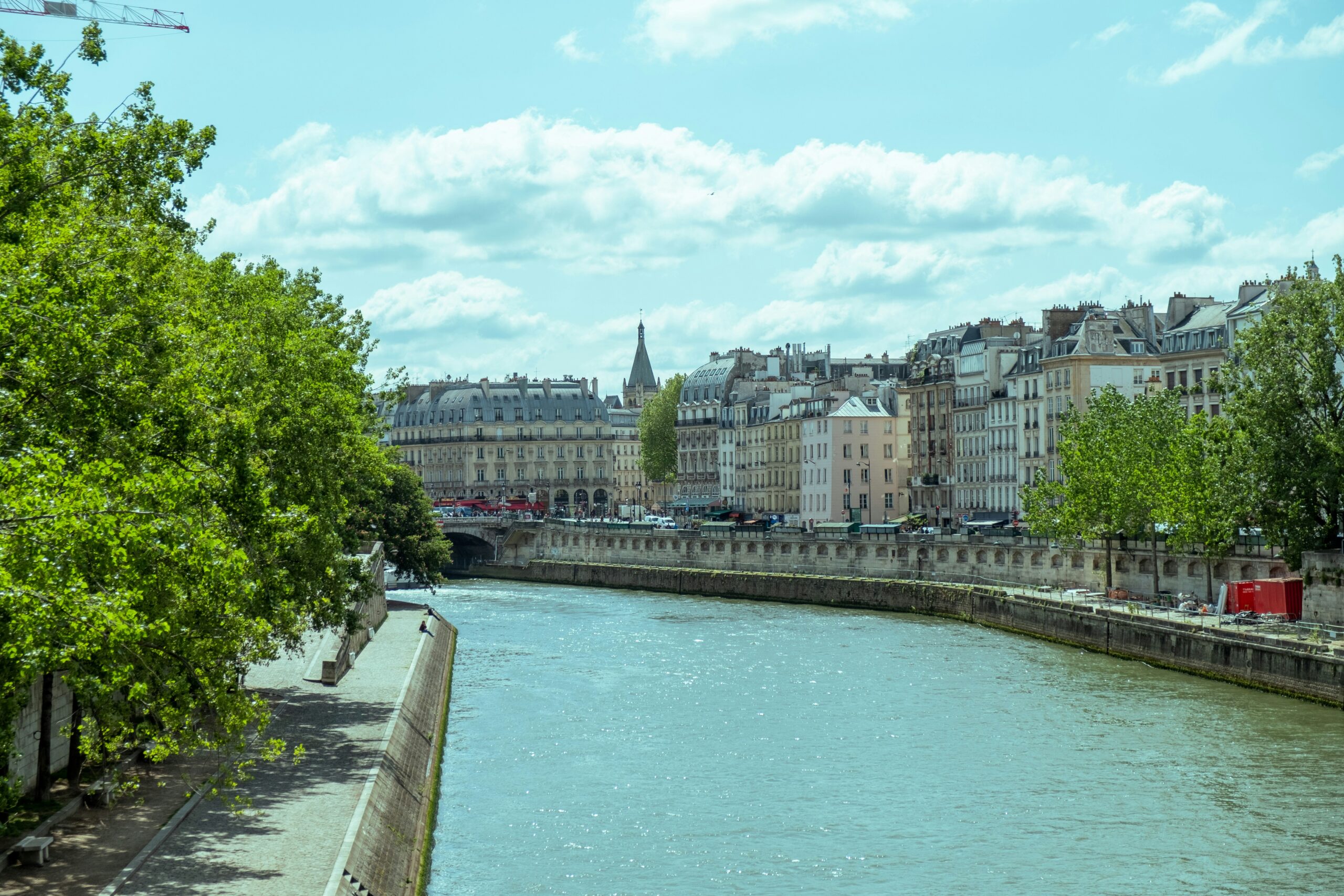
Square du Vert-Galant intensifies that experience. Officially, it is a small green space at Place du Pont-Neuf, but emotionally it feels like a hidden pause button in the middle of the city. From there, the views open along the Seine toward the Louvre, Pont des Arts, and the river’s classical facades. It is romantic in a way that almost sounds cliché until you stand there and realize the cliché exists for a reason. :contentReference[oaicite:3]{index=3}
What makes Pont Neuf special is that it remains functional and atmospheric at the same time. It is still a real part of city circulation, yet it continues to offer one of the most satisfying small-scale Paris experiences: simply stopping and looking.
Best Time to Visit Pont Neuf
Pont Neuf works in every season, but the atmosphere changes more than you might expect. Spring and early autumn are often the easiest times for a comfortable walk, good light, and a balanced city rhythm. Summer brings longer evenings and more activity along the Seine, which can make the area feel festive and cinematic. Winter can be beautiful too, especially if you prefer quieter mornings and softer, lower light.
My favorite times are early morning and the hour before sunset. Early morning gives you rare breathing space in central Paris. Sunset gives you the warmer version of the bridge—the one that turns stone, water, and façades into a continuous gold-gray palette.
One thing to remember is that Pont Neuf is not a destination that needs a strict time slot. It rewards mood more than scheduling. If your Paris day already brings you nearby, that is usually the perfect moment.
Essential Travel Tips
Tip #1:
Tip #2:
Tip #3:
One mistake I think people make in Paris is trying to “collect” monuments too fast. Pont Neuf is better when it becomes part of a slower half-day. Walk it, step down to the square, keep moving along the Seine, and let the city build around that rhythm.
How to Visit Pont Neuf Smartly
- Arrive by Metro Line 7 to Pont Neuf if you want the most direct classic approach.
- Use Cité on Line 4 if you are already exploring Île de la Cité and want to fold the bridge into a larger island walk.
- Walk the full length slowly instead of only stopping for one photo.
- Step down into Square du Vert-Galant for a second perspective over the river.
- Continue toward nearby landmarks like the Louvre side, Place Dauphine, or the riverside quays.
- Return after dark if possible if you want to see how differently the bridge behaves in evening light.
Nearby Attractions and Local Rhythm
The easiest nearby pairing is Square du Vert-Galant, which adds a softer, greener, more intimate angle to the bridge. It is a small place, but it changes the experience by letting you feel the Seine rather than only looking at it from above.
The Louvre is also close enough to make Pont Neuf feel like a natural transition point between grand museum Paris and riverfront Paris. Depending on your direction, you can also build a route toward Place Dauphine, the quays, or deeper into Île de la Cité.
Food-wise, this is central Paris, so the bigger strategy is not finding one “secret” place but using the bridge as a pivot in a larger wandering day. Pont Neuf works best when it sits between other beautiful things.
Pont Neuf vs Other Paris Bridges
| Factor | Pont Neuf | Other Scenic Paris Bridges |
|---|---|---|
| Historical weight | Very high; oldest standing bridge in Paris | Varies by bridge |
| Atmosphere | Balanced, classic, quietly cinematic | Sometimes more decorative or more tourist-focused |
| Best for | History plus views plus central walking routes | Specific photo angles or neighborhood access |
| Emotional feel | Foundational Paris | Depends on context and district |
Who Should Visit Pont Neuf
Pont Neuf is especially rewarding for travelers who enjoy:
- historic Paris without needing a ticketed attraction
- slow walks and riverside city atmospheres
- photography at sunrise, sunset, or blue hour
- architecture that still feels connected to daily urban life
- central Paris itineraries built around mood as much as monuments
If you only want giant headline attractions with a formal entry experience, Pont Neuf may seem too subtle. But if you like places that reveal a city’s character while barely appearing to try, this is one of Paris’s smartest stops.
FAQ
Is Pont Neuf worth visiting in Paris?
Yes. It is one of the best places in central Paris for history, views, and atmosphere without needing a ticket or fixed schedule.
Why is Pont Neuf famous?
It is famous for being the oldest standing bridge in Paris, as well as for its arches, mascarons, Henri IV statue, and prime location on the Seine.
What does Pont Neuf mean?
It means “New Bridge,” which is ironic because it is now the oldest surviving bridge in Paris.
How do I get to Pont Neuf?
The easiest metro access is Pont Neuf on Line 7, while Cité on Line 4 is also close and useful for an Île de la Cité walking route. :contentReference[oaicite:4]{index=4}
Is Pont Neuf free to visit?
Yes. It is a public bridge and can be visited freely at any time as part of a city walk.
What is the best nearby stop after Pont Neuf?
Square du Vert-Galant is the best immediate add-on if you want a quieter riverside pause with excellent views. :contentReference[oaicite:5]{index=5}
Related France and Europe Guides
Official and Useful Sources
Google Map
Final Verdict
Pont Neuf is absolutely worth visiting, not because it demands a big sightseeing production, but because it delivers something subtler and often more lasting. It gives you a clean, elegant encounter with old Paris while still feeling woven into the life of the city today.
If you want one of those places where history, walking, light, and atmosphere come together naturally, Pont Neuf is one of the smartest stops in central Paris. Come for the bridge itself, stay for the river views, and give yourself enough time to let the surrounding city do the rest.
In Paris, some landmarks impress you. Pont Neuf lives with you for a while after you leave.