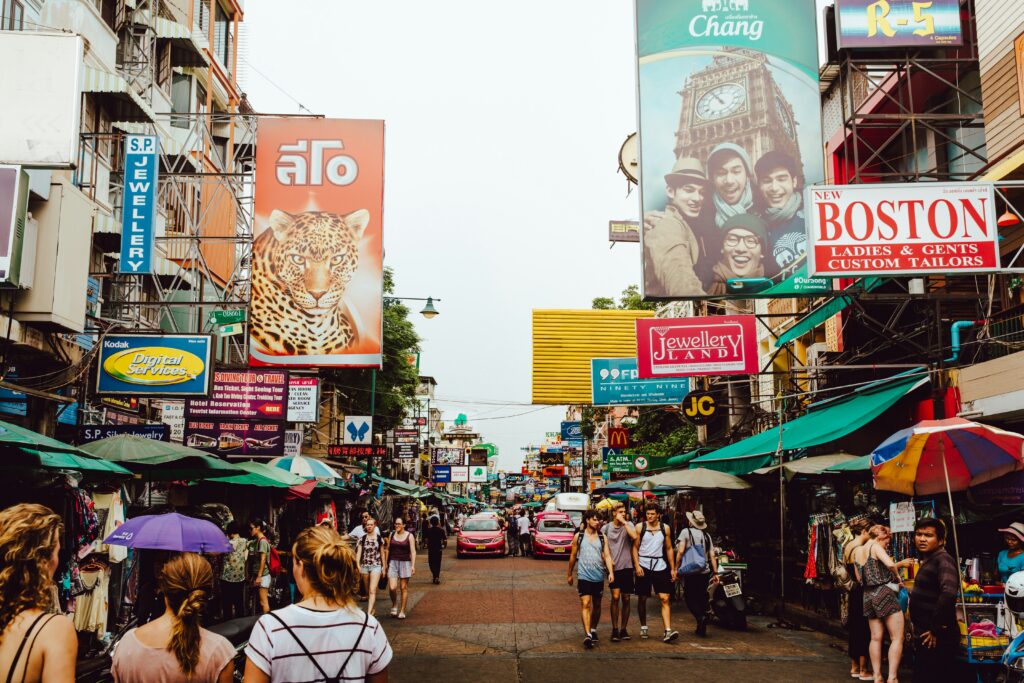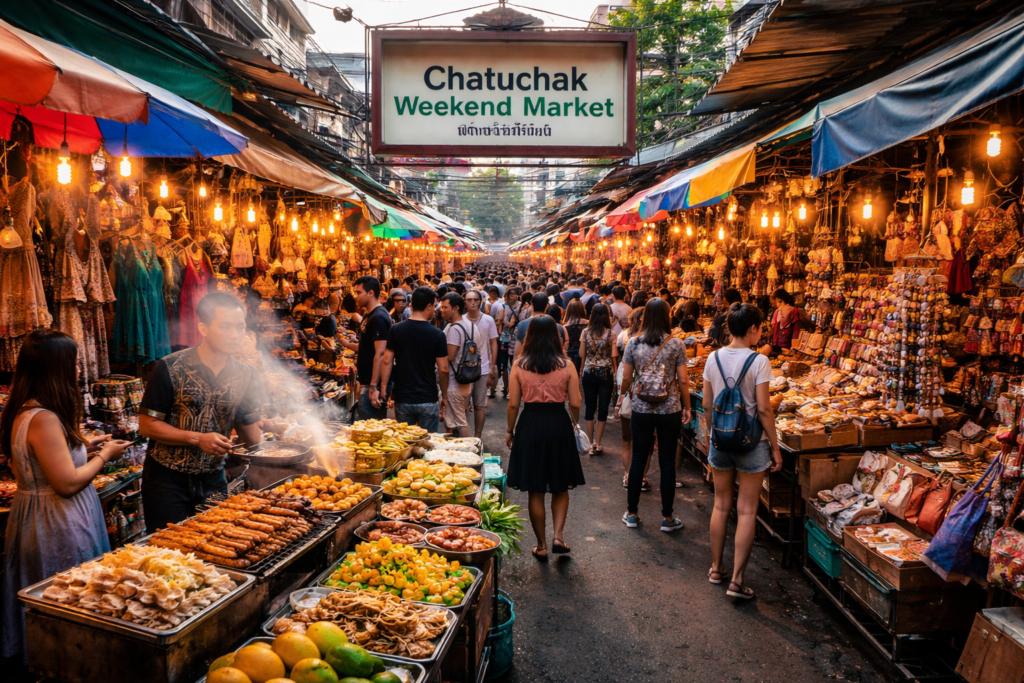
As your plane descends into Vietnam, the anticipation in the cabin is almost tangible—a blend of excitement, curiosity, and just the slightest edge of nervousness. The landscape outside glows softly beneath the airport lights, promising adventure and new beginnings. For every traveler, stepping into Vietnam for the first time is a sensory experience: the humid air, the distant sounds of languages blending together, the aroma of unfamiliar spices waiting just beyond the terminal doors. This guide is your companion from the moment your feet touch Vietnamese soil, illuminating each step on your immersive arrival journey in 2025.
From Aircraft to Immigration Hall: The First Steps
The aircraft doors open, and you join a gentle river of fellow travelers streaming into the arrival corridor. Signage leads you through the maze of terminals with reassuring clarity. Suitcases roll over polished floors, the hum of airport staff merges with the chatter of new arrivals, and the gentle anticipation grows with each step toward immigration.
Vietnam’s major international airports—Hanoi (HAN), Da Nang (DAD), and Ho Chi Minh City (SGN)—have honed their arrival processes to a fine art. Whether you land amidst the bustling energy of Tan Son Nhat, the serene flow of Da Nang, or the orchestrated chaos of Noi Bai, the arrival process is designed to be straightforward, even for first-timers.
Passport Control: Your Official Welcome
The queue at passport control ebbs and flows with each arriving flight. Airport staff direct you with quiet efficiency, and soon you face the immigration officer’s practiced gaze. Your passport is scanned, your visa checked, and—if all is in order—the satisfying thud of the entry stamp marks your official welcome to Vietnam. The process is brisk, yet never impersonal; for many, it’s the moment when Vietnam becomes real, the start of memories yet to be made.
Baggage Claim & Customs: Your Gateway to the City
With immigration complete, you’re funneled toward the baggage claim area. Carousels hum with anticipation as travelers scan for familiar luggage. After reclaiming your bags, you approach Customs—usually a smooth formality unless you’re carrying more than $5,000 USD in cash or unusual electronics. A final nod from the officer, and the sliding doors open to the sights, sounds, and warmth of Vietnam. The adventure truly begins.
Vietnam Visa Requirements in 2025: What You Need to Know
Vietnam is welcoming in 2025, but entry requirements vary depending on your nationality and purpose of visit. Currently, citizens from 38 countries enjoy visa-free entry for stays ranging from 14 to 90 days. For everyone else, the streamlined e-Visa system is the preferred route—apply online, receive your approval, and print your e-Visa before departure. The traditional Visa on Arrival (VOA) is now less common and requires pre-approval; double-check your eligibility on the official portal (eVisa portal) before you travel.
Visa-Free, e-Visa, and Visa on Arrival: Key Differences
– Visa-Free: Effortless entry for eligible nationalities—no application, no fee. Just bring your passport.
– e-Visa: Apply through the official government portal, receive approval via email, and print your visa. Valid for 90 days, single or multiple entries.
– Visa on Arrival (VOA): Requires pre-approval and is only available at select airports. Not recommended unless necessary, as the process is slower and more cumbersome.
Rules may shift, so always check your status on the official immigration website shortly before departure (Vietnam Immigration).
Vietnam Arrival Card: Is It Still Needed in 2025?
Most air travelers no longer need to fill out an arrival card. If you’re entering Vietnam via visa-free or e-Visa, you can bypass this form entirely. However, keep in mind exceptions exist: VOA applicants (who may be asked to complete the M3 form), certain land-border crossings, or if you are subject to additional screening. For the vast majority arriving by air, the process is now paperless and seamless.
Vietnam Fast Track Guide: Skip the Lines, Start Your Journey
If the thought of long queues after a long-haul flight fills you with dread, Fast Track services are a game-changer. Upon landing, a staff member meets you at a designated point and whisks you through priority lanes, bypassing the standard lines for immigration and customs. Particularly at crowded airports like Hanoi and Ho Chi Minh City, Fast Track can transform your arrival experience from exhausting to effortless. Companies like airport-fasttrack.com and vietnamairportfasttrack.com offer reliable, English-friendly service for a reasonable fee—a small investment for a smoother start.
Airport Comparison: Hanoi vs Da Nang vs Ho Chi Minh City
Hanoi (HAN) – Noi Bai International
Expect a vibrant, sometimes chaotic, atmosphere with heavy foot traffic and frequent queues. Immigration lines can be long during peak hours, but staff are efficient and signage is clear. Outside, a throng of taxi drivers awaits, eager to help you begin your journey into the capital’s historic heart.
Da Nang (DAD) – Da Nang International
The calmest and most traveler-friendly of the major airports. Da Nang is known for its smooth arrivals, short queues, and a relaxed vibe—ideal for first-time visitors or those seeking a gentle introduction to Vietnam’s wonders.
Ho Chi Minh City (SGN) – Tan Son Nhat International
The country’s busiest airport, especially after dark. Multiple baggage belts and a constant buzz of energy can feel overwhelming at first, but staff are helpful and processes are well-organized. If you thrive on urban hustle, SGN is your gateway to the vibrant south.
Required Documents: What to Have Ready
Your arrival will be smoothest if you prepare these essentials:
- Valid passport (with at least 6 months’ validity)
- Printed e-Visa approval letter (if required)
- Hotel address and contact details (sometimes requested)
- Proof of onward or return ticket (occasionally checked)
- Travel insurance details
Pack these in your carry-on for easy access. Customs is generally smooth, unless you’re carrying high-value electronics, large amounts of cash, or items that may require declaration.
Vietnam SIM Card & eSIM Guide (2025)
Physical SIM Cards
The first thing many travelers do after clearing customs is find a SIM card kiosk. Viettel offers the best overall coverage, including in remote areas. Mobifone is a solid choice for urban stability, while Vinaphone provides balanced performance. You’ll find kiosks in the arrivals hall, but prices are often higher than in the city. For longer stays, consider waiting until you can visit a retailer downtown.
Best eSIM Providers
eSIM technology is revolutionizing travel connectivity—just scan a QR code and activate your plan before you even land. Airalo, MobiMatter, and Nomad eSIM are the leading providers, offering flexible packages and instant activation. For short trips, eSIM is the most hassle-free option; for extended stays, a physical SIM may still be your best bet.
Transport from Airport to City: Your First Ride in Vietnam
Once you step outside the terminal, the city beckons. Grab is the most popular ride-hailing app—simply open the app, set your pickup point, and a driver will find you within minutes. Fares are fixed, transparent, and payment can be made in cash or by card. Download Grab (Android/iOS) before you arrive to make the process seamless.
Other options abound: Gojek and Be offer cheap short rides; Mai Linh and Vinasun are reputable taxi brands with meters; airport shuttle and limousine buses are available in most terminals and are ideal for budget-conscious travelers. Whatever your choice, reliable transport is just a few taps—or a friendly wave—away.
Safety Tips for First-Time Travelers
- Exchange only a small amount of money at the airport; rates are better in the city.
- Keep an eye on your bags in busy terminals and taxi queues.
- Use trusted apps for transportation and avoid accepting rides from touts.
- Install your SIM or eSIM before you land, if possible, for immediate connectivity.
- Stick to well-lit streets at night, especially in unfamiliar neighborhoods.
Vietnam is generally safe and welcoming, but a little vigilance goes a long way in ensuring your journey starts on the right foot.
Frequently Asked Questions About Arriving in Vietnam (2025)
Do I need an arrival card in 2025?
Most air arrivals do not need an arrival card. VOA applicants or those crossing certain land borders may be required to fill out an M3 form.
Who can enter Vietnam visa-free?
38 nationalities currently enjoy visa-free entry for stays of varying lengths. Always check the latest list before booking your trip.
Is Fast Track worth the extra cost?
Absolutely, especially at Hanoi and Ho Chi Minh City during peak periods. It can save you significant time and stress.
Which SIM/eSIM is best for me?
For short trips, eSIMs (like Airalo or Nomad) are incredibly convenient. For longer stays or rural travel, Viettel’s physical SIM is unrivaled.
Which airport offers the smoothest arrival experience?
Da Nang International (DAD) stands out for its efficient, traveler-friendly arrivals and generally short queues.
Final Pre-Arrival Checklist for Vietnam
- Confirm your visa status and apply for an e-Visa if necessary
- Print your e-Visa and keep it with your passport
- Prepare your hotel address and contact details
- Install essential travel apps (Grab, translation apps, offline maps)
- Carry a small amount of Vietnamese dong for initial expenses
- Check the latest entry requirements on the official website before departure: Vietnam Immigration
With your preparations complete and your heart open to new experiences, Vietnam welcomes you with warmth, color, and a thousand new stories ready to unfold. Every arrival is a fresh beginning—an invitation to discover the country’s rich culture, breathtaking landscapes, and the remarkable generosity of its people. Embrace the journey, savor each step, and let Vietnam write its chapter in your travel story.