St. Peter’s Basilica Guide: What to See, How to Visit, and How to Avoid the Crowds
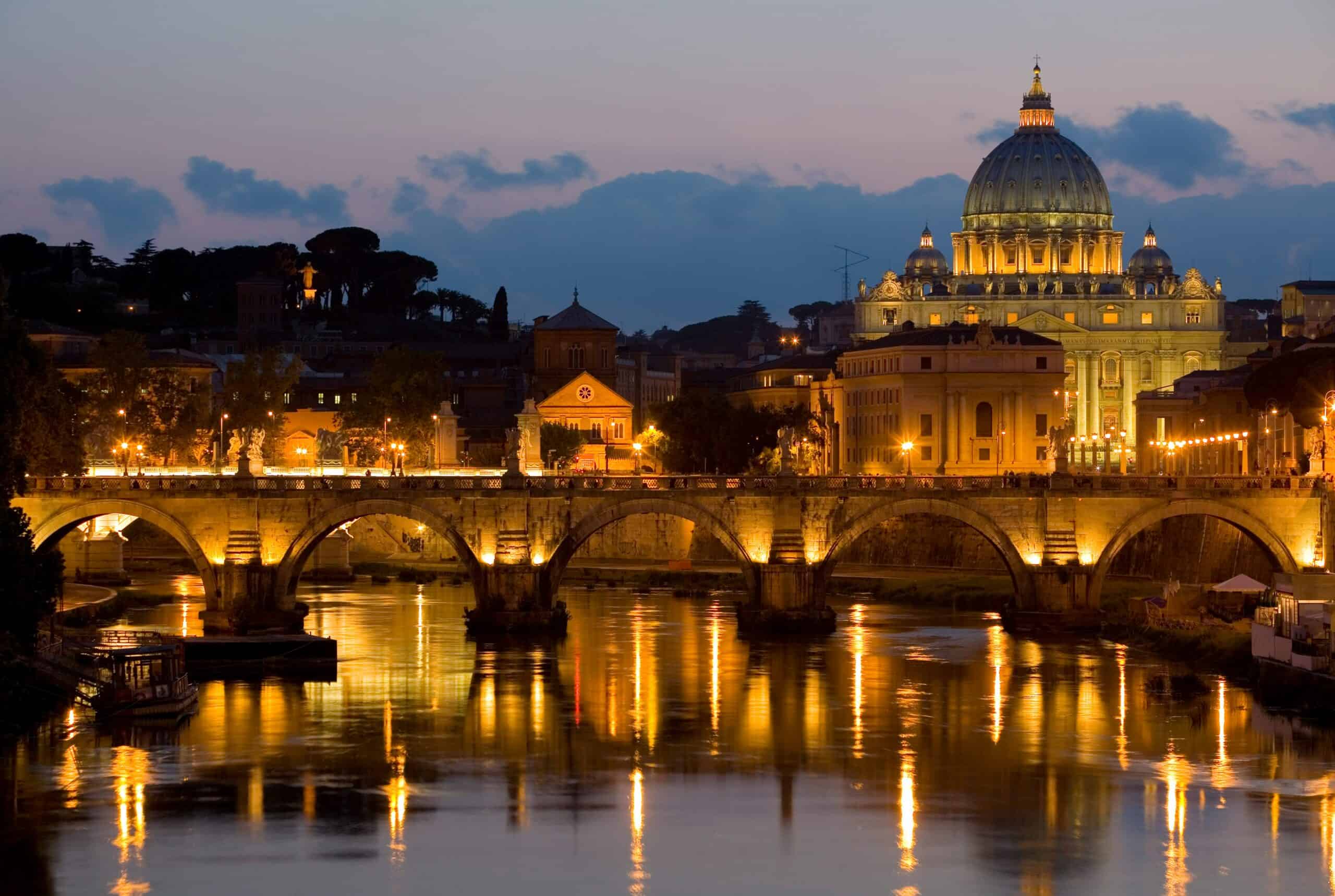
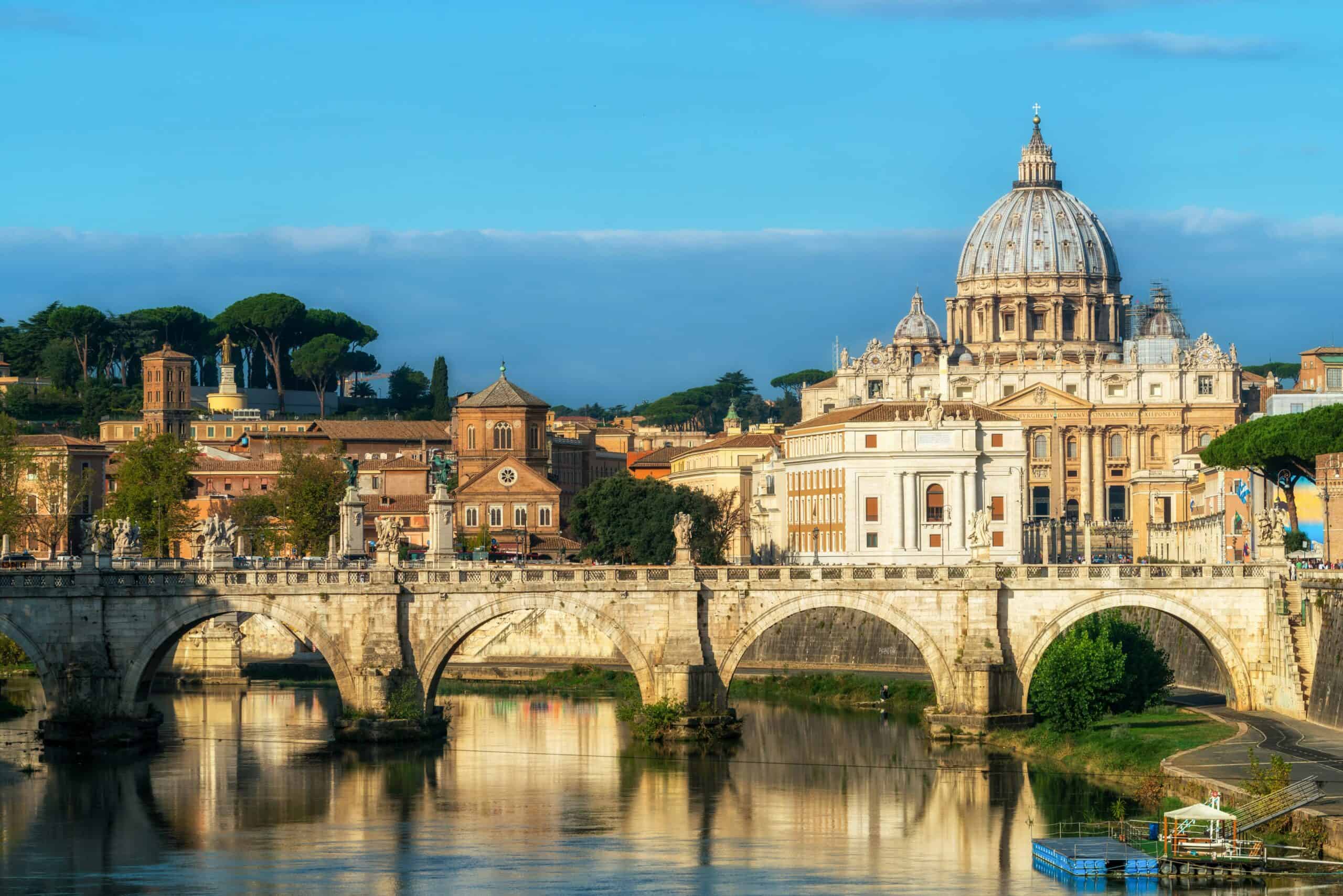
St. Peter’s Basilica rises above Vatican City with the kind of presence that makes even experienced travelers stop walking for a second. You can read about the dome, the scale, the art, and the religious significance in advance, but the first real view still lands differently. It does not feel like an ordinary church visit. It feels like you are approaching one of the central symbols of European civilization, where faith, architecture, ritual, and artistic ambition all converge at once.
What makes St. Peter’s Basilica remarkable is not just that it is famous. It is that it actually holds up under the weight of its reputation. The square prepares you for grandeur, but the interior shifts the experience into something more intimate and more disorienting at the same time. Light moves across marble and bronze, chapels open out one after another, and the building somehow feels both colossal and meticulously composed.
I think this is exactly why so many travelers leave talking less about one isolated masterpiece and more about the atmosphere itself. St. Peter’s Basilica is a place you do not merely look at. You move through it, recalibrate inside it, and remember how small a human body can feel under a dome built to suggest eternity.
Search Intent
This guide is for travelers searching practical answers before they go: Is St. Peter’s Basilica worth visiting if you are not religious? What should you prioritize inside? What are the entry rules, dress expectations, and best arrival strategies? Should you climb the dome? and how do you experience the basilica without turning the visit into a rushed, crowded box-checking stop?
Quick Summary
• St. Peter’s Basilica is one of the most important religious and artistic sites in the world, built over the tomb traditionally associated with Saint Peter.
• Entry to the basilica itself is generally free, but the dome visit is a separate experience that requires additional planning.
• Dress expectations matter here more than at many Rome attractions, so shoulders and knees should be covered before you arrive.
• The interior is filled with major works linked to Michelangelo, Bernini, and the visual language of papal Rome.
• The smartest plan is simple: arrive early, enter with patience, choose a few anchor highlights, and leave enough energy for the square and the dome rather than trying to consume everything at once.
Why St. Peter’s Basilica Still Matters
Some attractions are important because they preserve history. Others matter because they preserve scale, belief, and ambition in a form you can still physically enter. St. Peter’s Basilica does both. It is a functioning sacred space, a masterpiece of architecture, and one of the most recognizable visual anchors in Rome. That combination is what makes it different from a beautiful ruin, a famous museum room, or a symbolic monument seen only from outside.
Even if you are not approaching it through Catholic devotion, the basilica still works on multiple levels. It is the seat of ritual, the language of papal power made architectural, and an extraordinary concentration of sculpture, design, symbolism, and ceremony. In practical travel terms, it also shapes how people understand Vatican City itself. For many visitors, St. Peter’s Basilica is the emotional center of the Vatican experience, even when the Vatican Museums take more logistical effort.
That is why this stop deserves more intention than a quick “look around.” The building rewards preparation. If you know what you are entering, where to look, and how to pace yourself, the visit becomes far richer and far less overwhelming.
What It Feels Like Inside
The walk across St. Peter’s Square already changes your breathing a little. Bernini’s colonnade does what great architecture often does: it prepares your body before your mind catches up. Then the doors open, and scale starts behaving strangely. The nave feels endless, but the details remain precise. Altars glow. Marble shifts color depending on the light. The dome draws your eyes upward almost against your will.
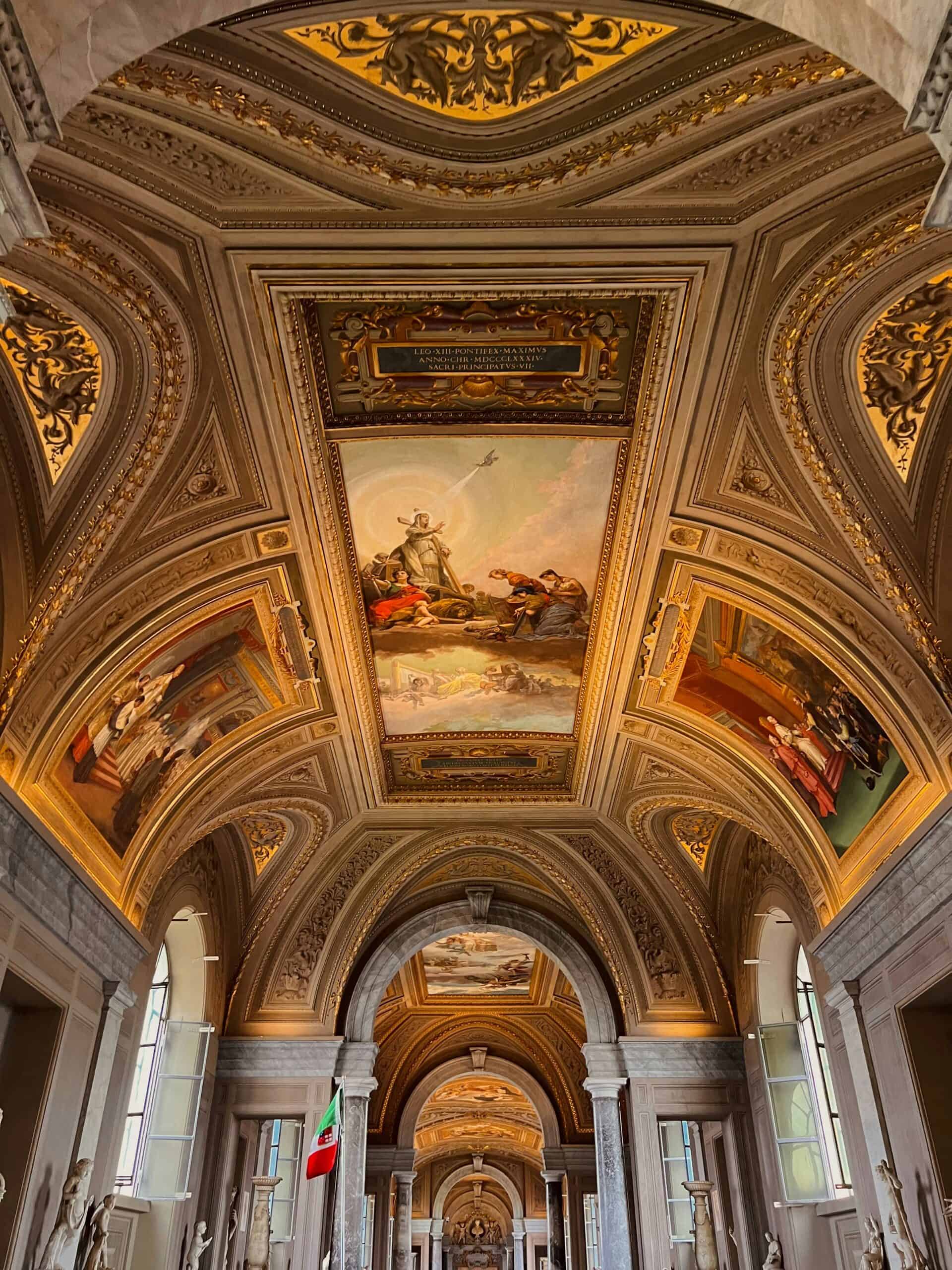
I remember that the first emotional shock was not even the size itself. It was the control. Nothing feels accidental. The proportions, the processional rhythm, the placement of chapels, the enormous bronze canopy, the movement between shadow and gold—all of it feels deliberate in a way that is almost unnerving. It is beautiful, but it is also theatrical, political, spiritual, and deeply engineered.
There is also a quieter side that photos rarely capture well. You hear footsteps soften on stone. People lower their voices without being told. Someone lights a candle. Someone cranes their neck toward the dome. Someone else stands still in front of the Pietà longer than they expected. That soft human layer matters. Without it, the basilica would only be monumental. With it, the place becomes genuinely affecting.
History and Cultural Context
St. Peter’s Basilica is inseparable from the long story of Christian Rome. The site is traditionally associated with the burial place of Saint Peter, and that spiritual claim shaped everything that came later. Over centuries, the desire to honor that tomb transformed the location into one of the most symbolically charged spaces in the Catholic world.
The current basilica emerged through an enormous Renaissance and Baroque effort involving some of the greatest artistic and architectural minds connected with papal Rome. That layered authorship is part of the reason the building feels so rich. It is not the work of a single moment or a single style. Instead, it gathers theological meaning, artistic competition, dynastic ambition, and liturgical function into one enormous, coherent statement.
What visitors often feel, even without knowing every historical phase, is that the basilica was designed not merely to impress but to persuade. It persuades through height, through order, through light, through symbolic continuity, and through the sheer density of artistic intelligence embedded in the space. That is why it still feels active rather than frozen. It was built to shape human response, and it still does.
Highlights You Should Not Rush Past
1. Michelangelo’s Pietà
This is often the first major masterpiece many visitors encounter, and it deserves real attention. The work carries extraordinary calm and grief at the same time. Even with protective glass, it still has emotional force.
2. The Baldachin and Main Crossing
The area beneath the great bronze canopy is one of the clearest moments where ritual and visual drama merge. This is where the basilica’s scale becomes legible, because the human body suddenly looks tiny against the ceremonial center of the church.
3. The Dome Experience
Whether you admire it from the floor or climb it, the dome changes the visit. From below, it organizes the entire interior. From above, it reframes Rome itself.
4. Chapels, Tombs, and Smaller Pauses
One of the smartest ways to experience St. Peter’s Basilica is to stop chasing only the biggest famous object and allow smaller devotional spaces to slow you down.
Key Visitor Info Table
| Category | What to Know |
|---|---|
| Location | Vatican City, at the western edge of central Rome’s most visited historic area. |
| Main appeal | Sacred significance, monumental architecture, Michelangelo and Bernini-linked visual legacy, and one of Rome’s defining domes. |
| Entry logic | The basilica itself is generally entered separately from the Vatican Museums workflow, so timing and queue strategy matter. |
| Dress expectation | This is an active sacred space, so modest clothing expectations should be respected. |
| Best visit style | Early arrival, slower pace, and a clear internal plan are much better than a rushed midday drop-in. |
Cultural Experience Beyond the Architecture
What makes St. Peter’s Basilica different from a purely artistic attraction is that the ritual life of the place never fully disappears. Even when tourism is dense, you remain aware that this building still serves devotion. That living function changes the mood. Visitors are not only consuming art. Many are praying, observing silence, waiting for liturgy, or orienting themselves around a sacred destination that means something very personal to them.
That active religious dimension is precisely why the basilica feels deeper than an ordinary monumental interior. The Swiss Guard presence, the ceremonial order of the square, the possibility of papal liturgical moments, and the continuing magnetism of Saint Peter’s tomb all make the visit feel connected to a tradition that is still unfolding rather than archived. Even for secular travelers, this continuity has force.
I also think it helps to approach the building with two lenses at once. One lens notices the sacred. The other notices the artistry. When you let both operate together, St. Peter’s Basilica becomes easier to understand. It is neither “just religion” nor “just art.” Its uniqueness comes from refusing that split.
Travel Tips That Actually Help
Arrive earlier than your instinct says. The difference between an early visit and a crowded mid-morning visit can be enormous.
Dress for entry, not just for Rome weather. This is one of the easiest avoidable mistakes in the Vatican area.
Do not over-schedule the same morning. Pairing the basilica, the dome, the square, and another timed attraction too tightly can make the whole experience feel stressful.
Use a mental route. Pietà, central crossing, dome decision, selected chapels, final pause. A little internal structure helps.
Respect your physical energy. If you plan to climb, conserve effort and hydration first.
Look up more often than you think. Many first visits stay too horizontal because the building’s vastness is disorienting.
How to Visit St. Peter’s Basilica Step by Step
- Start with your timing. Decide whether the basilica is the centerpiece of the morning or one part of a larger Vatican day.
- Dress correctly before leaving your hotel. Fixing clothing issues in the square area is inconvenient and unnecessary.
- Cross St. Peter’s Square slowly. This is part of the experience, not dead space before the real visit.
- Enter with priorities. Know whether you care most about the Pietà, the dome, tomb-related spaces, or the overall interior atmosphere.
- Pause at least once without photographing. The basilica becomes more legible when you stop documenting every second.
- Add the dome only if your energy and time allow. It is memorable, but it should not turn the main basilica visit into a blur.
- Finish outside. The square helps your mind process what the interior just did to your sense of scale.
Nearby Attractions and Easy Add-Ons
St. Peter’s Square is not separate from the basilica experience. Treat it as part of the same architectural and emotional sequence.
Castel Sant’Angelo offers one of the best nearby perspective shifts, especially if you want to understand the Vatican area within a broader Roman skyline and papal history context.
The Vatican Museums and Sistine Chapel make sense as a paired major day, but only if you are realistic about energy, timing, and crowd tolerance.
Borgo Pio and surrounding streets work well for a slower lunch or decompression break after the intensity of the basilica.
St. Peter’s Basilica vs. a Typical Grand Church Visit
| Topic | St. Peter’s Basilica | A Typical Monumental Church Visit |
|---|---|---|
| Emotional effect | Monumental, symbolic, and globally charged | Often beautiful, but less overwhelming in scale and meaning |
| Visitor challenge | Managing scale, crowds, and priorities | Usually simpler orientation and lighter pressure |
| Art density | Exceptionally high and historically loaded | Often strong, but less concentrated in world-famous highlights |
| Best approach | Prepared, slower, selective | More flexible and casual |
| My honest take | Worth the effort if you want one of Rome’s defining experiences | Easier, but rarely as unforgettable |
Who Should Visit
First-time Rome travelers: This is one of the city’s defining experiences and one of the clearest ways to understand Vatican gravity.
Art-focused visitors: The basilica is essential because it turns textbook names into lived spatial experience.
Religious pilgrims: Few sites offer this combination of devotion, continuity, and symbolic depth.
Architecture lovers: If scale, sequence, and monumental design matter to you, this stop is non-negotiable.
Travelers with limited time: Still worth it, but only with a disciplined plan.
FAQ
Is St. Peter’s Basilica worth visiting if I am not Catholic?
Yes. Its religious significance is central, but the architecture, art, scale, and historical depth make it one of Rome’s strongest experiences for many kinds of travelers.
Do I need a ticket for the basilica itself?
The basilica itself is generally entered without a standard admission ticket, but dome access and some specialized experiences follow their own visitor logic and planning.
What should I wear?
Dress respectfully and modestly. This is one of the easiest practical details to get right before arrival.
Should I climb the dome?
If you have the energy, time, and interest in panoramic viewpoints, yes. It adds a second dimension to the visit by showing the basilica from both within and above.
What is the single most important artwork inside?
Many visitors would name Michelangelo’s Pietà, but the answer also depends on whether you respond more to sculpture, ceremonial space, or the dome itself.
How much time should I allow?
A focused visit can work in well under two hours, but a slower experience with the dome and surrounding square deserves significantly more breathing room.
What is the biggest mistake first-time visitors make?
Underestimating how physically, visually, and logistically intense the visit can feel without a simple plan.
Related Trip-Nexus Guides
Official Links
- The Holy See official website
- Papal Basilicas official website
- Turismo Roma official tourism portal
- Italia.it official tourism portal
Authoritative reference: Vatican City State official information portal
Google Map
Use the map below to understand the relationship between St. Peter’s Basilica, St. Peter’s Square, and the wider Vatican-Rome edge before you plan your route.
Final Take
St. Peter’s Basilica is one of those rare places where reputation does not flatten reality. If anything, the real building feels more complicated, more human, and more emotionally layered than the familiar images suggest. It is a sacred place, an art experience, a statement of power, and an exercise in architectural persuasion all at once.
I would not approach it as a quick Vatican obligation. I would approach it as one of the few places in Rome where slowing down is not just pleasant but necessary. Arrive prepared, enter respectfully, pick your highlights, and let the building change your pace. That is when the visit starts feeling less like tourism and more like a genuine encounter.
Best move: Give St. Peter’s Basilica the first hours of your day, not the leftover hours. It rewards fresh energy and unhurried attention.