In the heart of Rome, where bustling city life meets echoes of antiquity, the Trevi Fountain emerges as an unparalleled masterpiece of Baroque art and a symbol of the city’s enduring allure. The mere mention of Trevi Fountain conjures images of crystalline waters, mythological sculptures, and the timeless ritual of tossing coins into its basin—a tradition cherished by millions. This iconic Roman landmark is not just a fountain; it is a living testament to the city’s history, its artistry, and its irresistible magnetism for travelers from across the globe.
Why Visit Trevi Fountain
Trevi Fountain stands as one of the world’s most recognizable and beloved fountains, attracting travelers who seek both romance and historical grandeur. Its striking façade, adorned with mythological figures and cascades of water, offers visitors a sensory experience unlike any other. As the largest Baroque fountain in Rome, and arguably the most beautiful, it encapsulates the essence of Roman artistry, blending architecture, sculpture, and the spirit of the city into one breathtaking spectacle. Standing before the Trevi Fountain, one feels the pulse of Rome’s past and present, united through centuries of tradition and celebration.
Stepping into Trevi Fountain
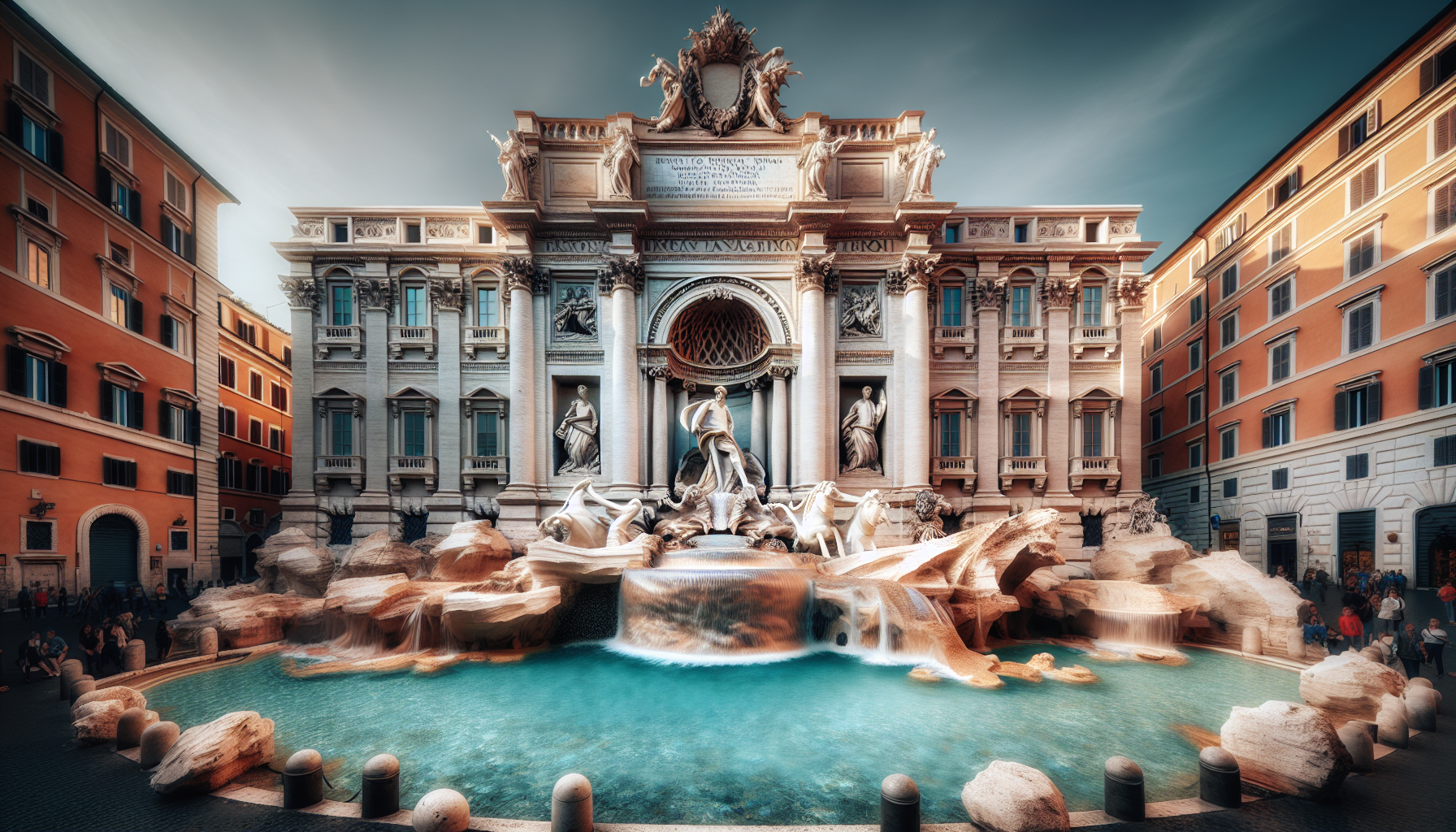
Approaching Trevi Fountain, the anticipation builds as you meander through narrow, cobblestoned streets. Suddenly, the piazza opens, revealing the fountain’s magnificent presence—an exuberant display of marble figures, dramatic waterworks, and intricate carvings. The central figure, Oceanus, towers above the basin, flanked by mythological Tritons and horses, all set against the imposing backdrop of Palazzo Poli. The roar of water, the play of sunlight on marble, and the joyful energy of visitors coalesce into a scene that is both intimate and monumental. It is here that the famous coin-tossing tradition unfolds, with travelers casting their wishes into the fountain, each hoping for a return to Rome.
Key Information Table
| Location | Rome, Italy |
|---|---|
| Type | Baroque Fountain |
| Constructed | 1732–1762 |
| Architect | Nicolò Salvi |
| Opening Hours | Open 24 hours |
| Admission | Free |
| Accessibility | Wheelchair accessible (piazza area) |
| Official Website | https://www.turismoroma.it |
| Contact | N/A |
Immersive Cultural Experiences
Trevi Fountain is more than a backdrop for photographs; it is a stage for cultural rituals and a source of inspiration for artists and filmmakers. Immortalized in cinema, most notably in Federico Fellini’s “La Dolce Vita,” the fountain has woven itself into the fabric of Italian culture. Join the crowds at dusk when the lights cast a golden glow on the marble, and musicians fill the air with melodies. Artists sketch, lovers embrace, and locals savor gelato on the steps, all drawn together by the fountain’s irresistible charm. The experience of standing before Trevi Fountain is an immersion in Roman life, where the ancient and the contemporary meet in perfect harmony.
Seasonal Festivals and Special Events
Throughout the year, Trevi Fountain becomes a focal point for celebrations and special events. Whether it is the city’s effervescent summer nights filled with music and laughter, or the magical atmosphere of the winter holidays when the fountain is illuminated with festive lights, the site comes alive with a distinct energy. On rare occasions, the fountain is drained and cleaned, offering a unique glimpse into its construction and artistry. Local festivals, such as Rome’s birthday in April, bring crowds and performances to the area, further enhancing the sense of community and celebration that defines this Roman treasure.
Google Map
How to Get There
Trevi Fountain is centrally located in Rome, making it easily accessible from virtually anywhere in the city. The nearest metro station is Barberini (Line A), just a short walk through the city’s picturesque streets. Numerous bus routes stop nearby, and the fountain can also be reached on foot from landmarks like the Spanish Steps and the Pantheon. For those exploring the historical center, wandering through Rome’s charming alleys to reach the fountain is an enchanting experience in itself. Taxis and ride-sharing services are also readily available, and the area is well-signposted for visitors.
Nearby Attractions and Local Eats
Galleria Alberto Sordi: This stunning shopping gallery, just minutes away, offers a blend of high fashion boutiques, cafes, and architectural splendor in a historic Roman setting.
Essential Travel Tips
Visiting Trevi Fountain is most rewarding in the early morning or late evening when the crowds subside, and the play of light on marble is at its most captivating. Carry small coins for the traditional toss—legend holds that one coin ensures your return to Rome, while a second brings love, and a third, marriage. Be respectful of local customs; sitting on the fountain’s edge or wading into the water is prohibited and strictly enforced. Comfortable walking shoes are recommended, as the surrounding streets are cobbled and lively. Lastly, keep your belongings secure and savor the atmosphere—this is a moment to be cherished.
What Makes This Destination Unique
The magic of Trevi Fountain lies in its extraordinary blend of artistry, mythology, and living tradition. Unlike any other fountain in the world, it embodies the pulse of Rome—a city where history is not just preserved but vibrantly lived. The grandeur of its sculptures, the sound of cascading water, and the collective hope embodied in each tossed coin create an atmosphere that is both intimate and grand. To stand before Trevi Fountain is to experience the eternal soul of Rome, where every visitor becomes part of a legacy that spans centuries, and every wish cast into its waters adds a new story to its legend.
Related Posts
- City Tourism Website
- Attraction Official Website
- Country Tourism Board
- Regional Tourism Office
- Destination Official Homepage
Standing in the piazza, gazing at the Trevi Fountain’s luminous waters, you sense the heartbeat of Rome itself—timeless, majestic, and forever inviting. The fountain’s cascading beauty and the collective dreams of millions make it a living monument, a place where the magic of the Eternal City is felt in every drop, every wish, and every memory created beneath its watchful gaze.