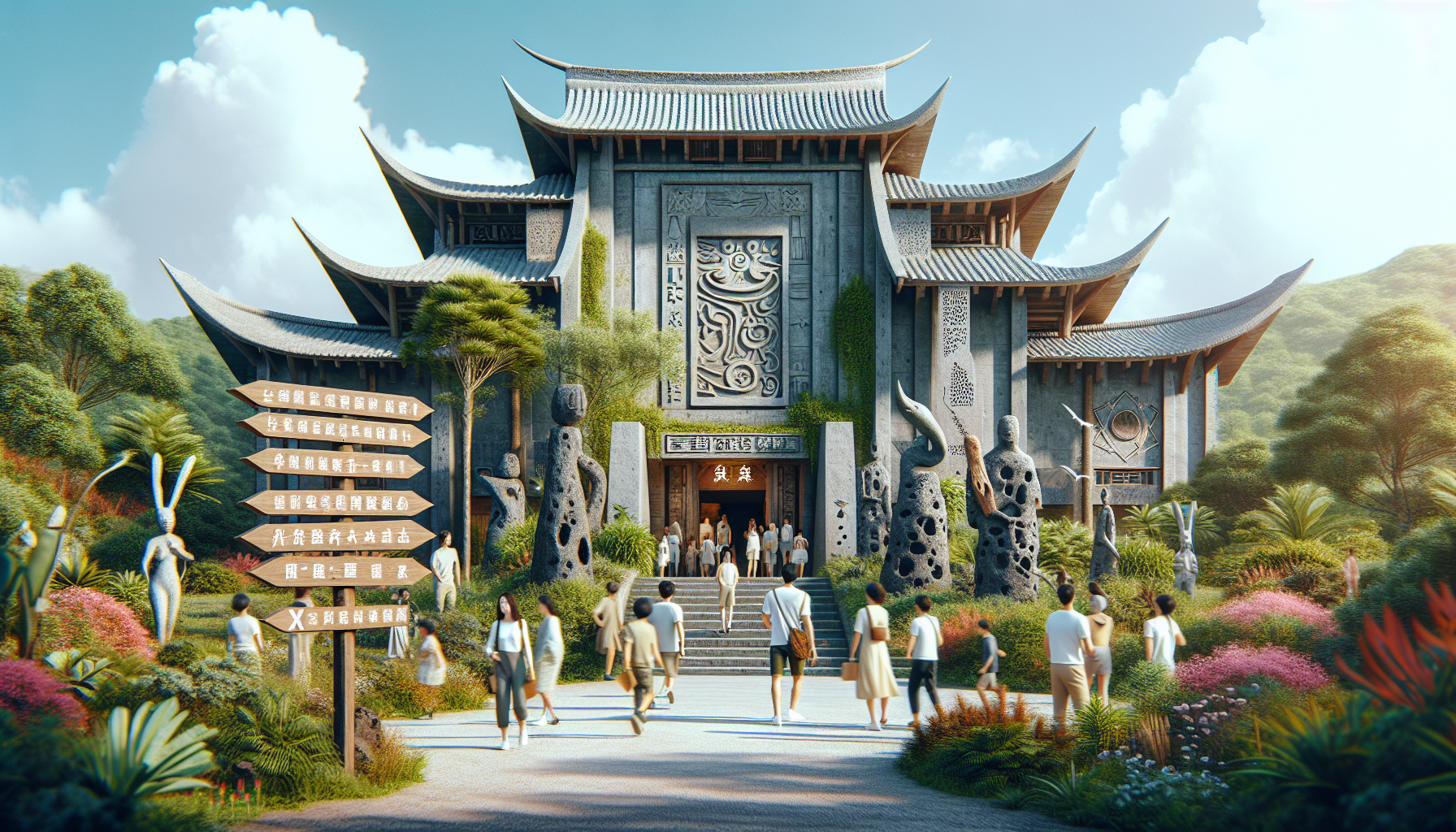
In the heart of Jeju City, where the ocean’s salted breeze intertwines with the earthy scent of volcanic soil, lies a destination that captures the essence of the island’s soul: the Jeju Folklore & Natural History Museum. For anyone with a passion for the intricate dance between human culture and the untamed beauty of nature, this museum is more than an attraction—it is a profound journey through time, myth, and ecological wonder. As you step inside, every corridor and exhibit pulses with the stories of Jeju’s people, their resilience, and the breathtaking landscapes they call home.
Why Visit Jeju Folklore & Natural History Museum
Jeju Folklore & Natural History Museum stands as a vibrant testament to the island’s rich tapestry of tradition and biodiversity. Here, visitors can immerse themselves in the unique customs, shamanistic rituals, and everyday life of Jeju’s people, while also exploring the island’s distinctive flora and fauna. This museum is not just a repository of artifacts—it’s a living classroom where legends and scientific marvels coalesce, creating a deeply engaging experience for travelers of all ages. Whether you’re fascinated by Korean heritage or enchanted by Jeju’s volcanic landscapes, this attraction offers an unparalleled window into the heart of the island.
Stepping into Jeju Folklore & Natural History Museum
The moment you cross the threshold, the museum envelops you in its passionate narrative. The main hall greets you with an array of artifacts—stone tools, fishing implements, and household items that tell tales of Jeju’s ancient settlers. The air is thick with history as you move from one diorama to the next, each carefully reconstructed scene breathing life into bygone eras. The museum’s natural history wing dazzles with vibrant displays of Jeju’s endemic plants, volcanic stones, and a mesmerizing collection of marine life specimens. Interactive exhibits invite you to touch, listen, and even smell the island’s past, bringing the world of Jeju into vivid, tangible focus.
Key Information Table
| Location | 40, Samseong-ro, Jeju-si, Jeju-do, South Korea |
|---|---|
| Official Website | https://www.jeju.go.kr/museum/folklore/index.htm |
| Opening Hours | 09:00 – 18:00 (Closed on Mondays) |
| Entry Fee | Adults: 2,000 KRW; Youth/Children: 1,000 KRW |
| Contact | +82-64-710-7708 |
| Google Maps | https://goo.gl/maps/5t3eQW8z3q8u1uTj8 |
Immersive Cultural Experiences
What sets the Jeju Folklore & Natural History Museum apart is its commitment to immersive learning. The museum hosts regular workshops where visitors can try their hand at traditional Jeju crafts, from weaving mats with native grasses to crafting miniature replicas of the iconic dol hareubang statues. Storytelling sessions bring the haunting legends of Jeju’s haenyeo (female divers) to life, while seasonal exhibitions showcase the artistry of local potters and artisans. For families, the educational programs offer children a chance to explore Jeju’s geological wonders through hands-on experiments and interactive games, making every visit a dynamic adventure.
Seasonal Festivals and Special Events
Throughout the year, the museum comes alive with vibrant festivals and cultural events that celebrate Jeju’s unique heritage. Springtime brings the Jeju Cherry Blossom Festival, where the museum gardens become a canvas of pink blooms and traditional performances. In summer, the museum partners with local haenyeo communities for live diving demonstrations and seafood tasting events. Autumn sees the grounds transformed by the Jeju Harvest Festival, featuring folk music, traditional games, and a bounty of local produce. Winter’s highlight is the New Year Shaman Ritual, a mesmerizing ceremony that invites visitors to witness the mystical side of Jeju’s folklore.
Google Map
How to Get There
The Jeju Folklore & Natural History Museum is easily accessible from Jeju International Airport and Jeju Intercity Bus Terminal. Local buses (routes 100, 200, and 365) stop directly near the museum’s entrance, making it a convenient stop for travelers exploring Jeju City. For those arriving by car, ample parking is available onsite. The museum’s central location in Jeju City also means you’re never far from vibrant markets, authentic eateries, and other cultural treasures.
Nearby Attractions and Local Eats
Tapdong Square: A lively waterfront plaza, Tapdong Square offers scenic ocean vistas, street performances, and a taste of Jeju’s contemporary culture. The area is dotted with seafood restaurants and trendy cafés.
Essential Travel Tips
To fully enjoy your visit, plan to spend at least two hours exploring the museum’s extensive collections. English-language guides are available at the front desk, and many exhibits feature bilingual explanations. The museum is wheelchair accessible and family-friendly, with stroller rentals and nursing rooms onsite. For the best experience, time your visit to coincide with a cultural demonstration or seasonal festival. Photography is permitted in most areas, but be sure to respect signage in sensitive exhibits.
What Makes This Destination Unique
Few places in South Korea offer such an evocative blend of nature, history, and living tradition as the Jeju Folklore & Natural History Museum. Its immersive displays evoke the resilience and ingenuity of Jeju’s people, while its natural history exhibits reveal the geological forces that shaped this remarkable island. By bridging the gap between ancient legend and modern science, the museum creates a narrative that is both deeply personal and universally resonant. For travelers seeking to understand not just Jeju, but the enduring spirit of Korea itself, this destination is an essential pilgrimage—a place where every object and story invites you to see the world with new eyes, and to leave with a deeper appreciation for the harmony between humanity and nature.