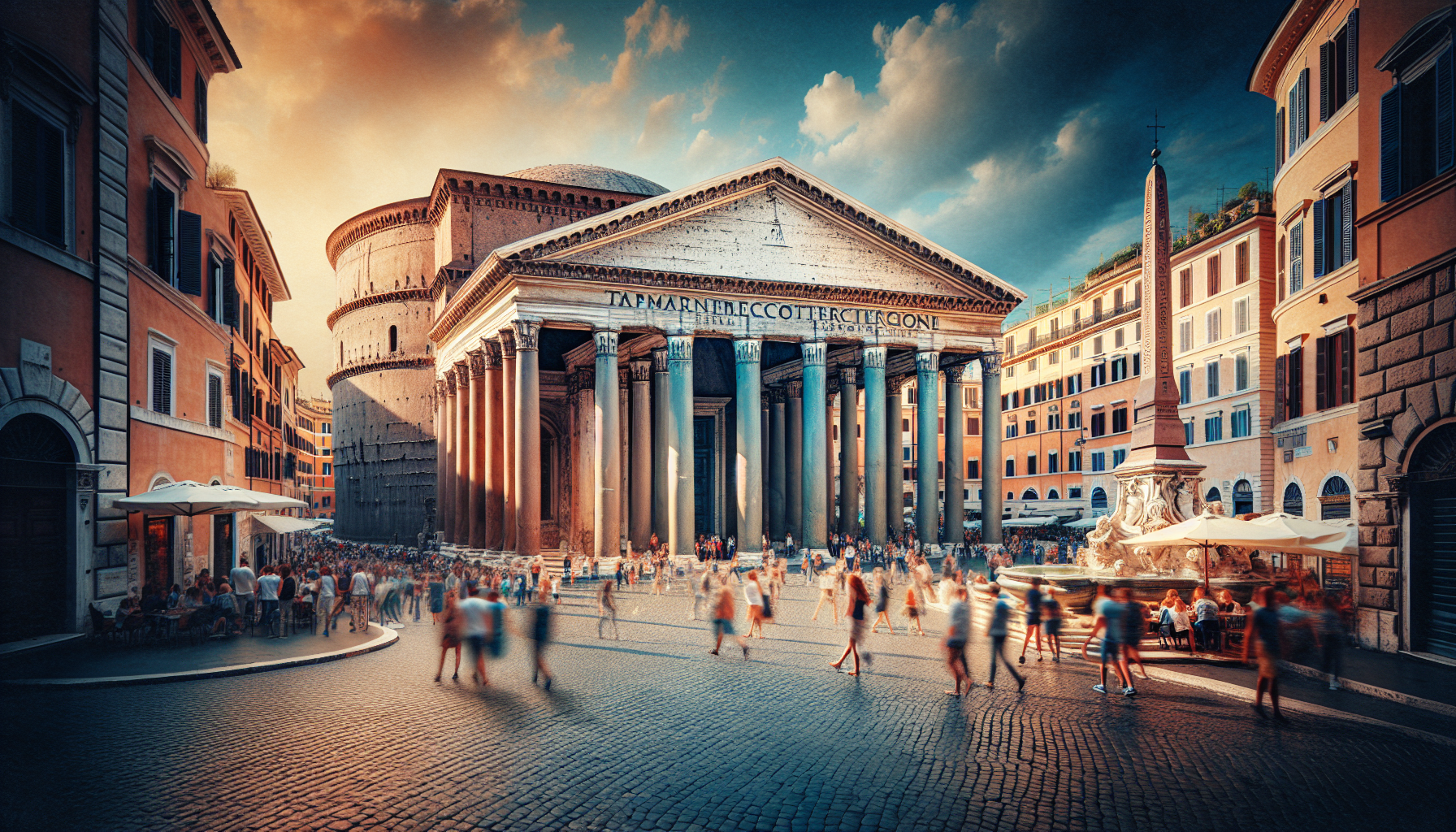
The Pantheon in Rome is a testament to the ingenuity, ambition, and spirit of one of history’s greatest civilizations. Standing in the heart of the city, this architectural masterpiece has witnessed nearly two millennia of history, culture, and transformation. For anyone passionate about travel, history, or architectural beauty, the Pantheon is far more than a tourist attraction—it is a journey into the soul of ancient Rome and a living symbol of endurance.
Why Visit the Pantheon
Visiting the Pantheon is an encounter with awe. Its perfectly preserved dome, classical façade, and harmonious proportions evoke a sense of wonder that transcends centuries. Unlike many ruins that hint at former glory, the Pantheon remains largely intact, a direct link to the grandeur of Imperial Rome. Whether you are a lover of architecture, an enthusiast for ancient history, or simply a curious traveler, the Pantheon is a must-see. Its influence on Western architecture is profound, having inspired countless monuments, churches, and public buildings throughout Europe and beyond. As daylight streams through the oculus and dances across the marble floor, you are reminded of the ingenuity and vision that defined an empire.
Stepping into the Pantheon
Crossing the threshold of the Pantheon, you are immediately enveloped by a sense of reverence. The massive bronze doors open to reveal a circular sanctuary, crowned by the world’s largest unreinforced concrete dome. The oculus, a nine-meter-wide opening at the very center, floods the rotunda with natural light and connects the interior to the heavens above. Multicolored marble, intricate patterns, and stately columns line the walls, while a subtle hush seems to settle over visitors. Every detail, from the coffered ceiling to the geometric perfection of the dome, speaks to the artistic and mathematical prowess of Roman engineers. The Pantheon’s transformation from a pagan temple to a Christian church has ensured its preservation, granting visitors an authentic glimpse into the spiritual and civic life of ancient Rome.
Key Information Table
| Category | Details |
|---|---|
| Location | Piazza della Rotonda, Rome, Italy |
| Opening Hours | Mon-Sat: 9:00–19:00; Sun: 9:00–18:00 |
| Admission | Free (with optional paid guided tours) |
| Official Website | https://www.turismoroma.it/en |
| Contact | +39 06 6830 0230 |
| Accessibility | Wheelchair accessible |
| Recommended Visit Duration | 1–2 hours |
| Best Time to Visit | Early morning or late afternoon |
Immersive Cultural Experiences
While the Pantheon itself is an unrivaled highlight, the surrounding Piazza della Rotonda is alive with energy, inviting visitors to linger and absorb the rhythm of Roman daily life. Street musicians, artists, and bustling cafés create a vibrant atmosphere, offering a sensory feast that complements the grandeur inside. Guided tours reveal the Pantheon’s secrets, from its ingenious drainage system to the tales of emperors and artists who shaped its legacy. Art lovers will appreciate the tombs of Renaissance masters, including Raphael, while architecture enthusiasts can study the harmonious proportions and ingenious engineering that enabled the dome to endure earthquakes and centuries of change. Participation in a guided experience or a quiet moment of contemplation beneath the oculus can transform a simple visit into a profound encounter with history.
Seasonal Festivals and Special Events
The Pantheon is woven into the fabric of Rome’s cultural life, hosting special events that fuse ancient tradition with modern celebration. One of the most striking moments occurs at Pentecost, when thousands of rose petals are showered through the oculus, symbolizing the descent of the Holy Spirit. This breathtaking spectacle fills the rotunda with color and fragrance, drawing crowds from around the world. The Pantheon is also a site for solemn religious ceremonies and commemorations, especially on April 21st, the legendary founding date of Rome. Throughout the year, music concerts and art exhibitions enliven the square, making every visit unique and deeply personal.
Google Map
How to Get There
The Pantheon’s location in central Rome makes it easily accessible by foot, public transportation, or taxi. From Termini Station, take Metro Line A to Barberini and walk for about ten minutes through Rome’s historical center. Numerous bus lines stop nearby, including 30, 40, 62, 64, and 81. For those exploring on foot, the Pantheon is within walking distance of other iconic landmarks such as the Trevi Fountain and Piazza Navona, making it a natural stop on any Roman itinerary. Biking is also an option for adventurous travelers, with bike-sharing stations and rental shops available around the city.
Nearby Attractions and Local Eats
Trevi Fountain: One of Rome’s most iconic sites, the Trevi Fountain enchants visitors with its Baroque sculptures and the promise of a return to Rome for those who toss a coin into its waters.
Piazza Navona: Famed for its lively atmosphere, street artists, and Bernini’s Fountain of the Four Rivers, Piazza Navona is a gathering place that captures the spirit of Rome and offers a variety of cafés and restaurants for every taste.
Essential Travel Tips
To fully appreciate the Pantheon, plan your visit during quieter hours—early morning or late afternoon—when crowds are thinner and the play of light through the oculus is most captivating. Modest attire is required, as the Pantheon functions as a church. Photography is permitted, but flashes and tripods are discouraged. Consider joining a guided tour to unlock the Pantheon’s fascinating stories and architectural marvels. While admission is free, donating to the site’s preservation efforts helps ensure its legacy for generations to come. Finally, take time to explore the surrounding neighborhoods, where gelato stands, artisanal shops, and charming trattorias offer an authentic Roman experience beyond the tourist trail.
What Makes This Destination Unique
The Pantheon’s uniqueness lies in its extraordinary fusion of art, science, and spirituality. Unlike any other monument in Rome, it remains both a masterpiece of ancient engineering and a living place of worship. The interplay of light and shadow beneath the immense dome evokes a sense of the divine, while the building’s resilience speaks to the enduring power of Roman innovation. For centuries, the Pantheon has inspired artists, architects, and dreamers, serving as a beacon of creativity and human achievement. Standing in its shadow, you can feel the pulse of history and the timeless allure that draws millions to Rome each year. The Pantheon stands not just as a relic of the past, but as a living testament to the heights humanity can reach when vision and craftsmanship unite. Every stone, every column, every ray of light filtering through the oculus urges you to marvel, reflect, and imagine the stories yet to unfold under its ancient dome.