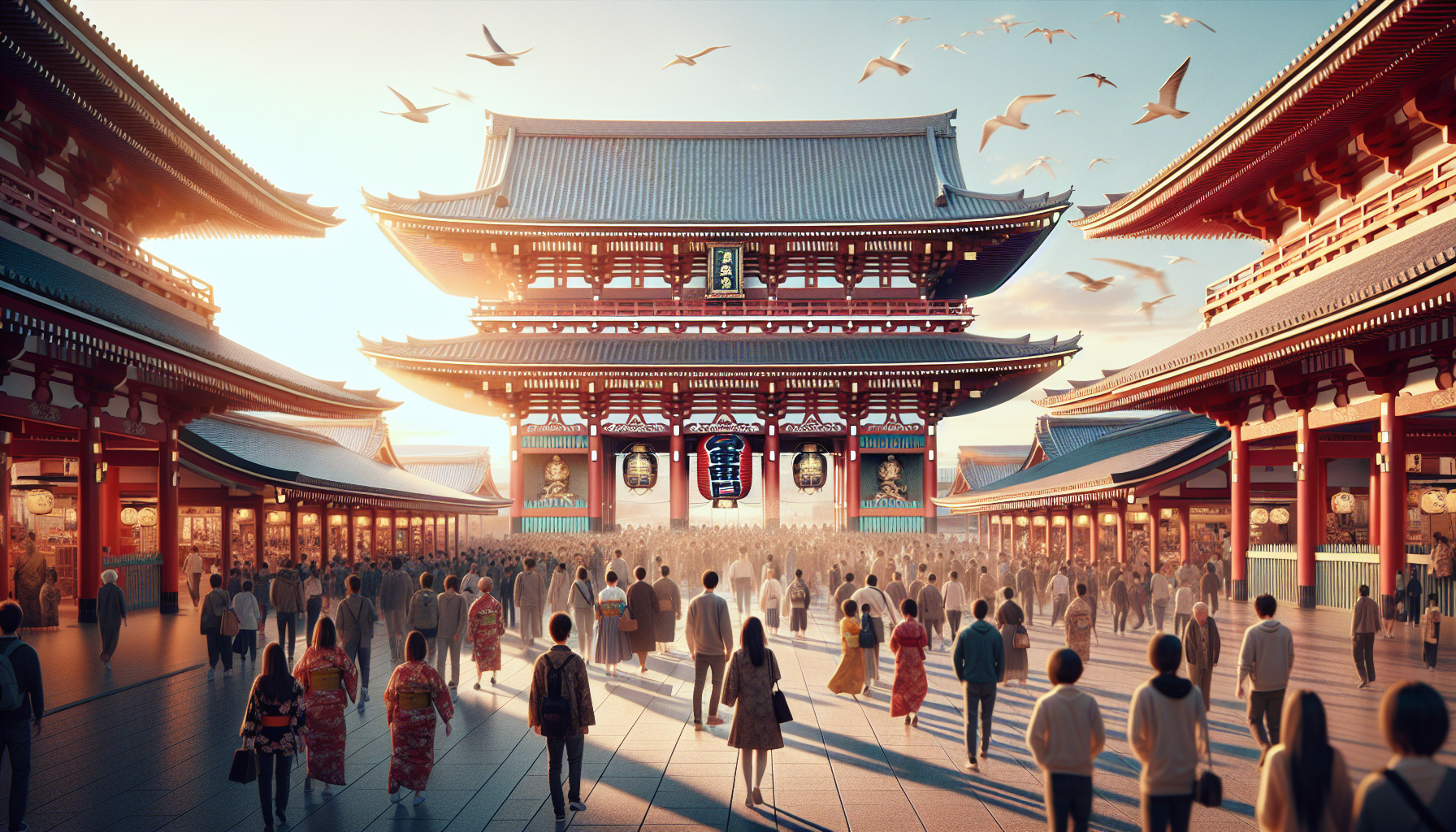
Senso-ji Temple, nestled in the heart of Tokyo’s historic Asakusa district, is a destination that pulses with centuries-old energy and the ceaseless flow of life that defines Japan’s capital. As one of Tokyo’s most iconic and cherished landmarks, Senso-ji is not simply a tourist attraction—it is an immersive journey into the soul of Japanese culture, spirituality, and tradition. From the moment you step beneath the imposing Kaminarimon Gate, crowned with its legendary red lantern, every sense is awakened by the scents of incense, the echo of prayers, and the vibrant tapestry of pilgrims, locals, and visitors who converge here from across the globe.
Why Visit Senso-ji Temple
Few places in Tokyo deliver the profound sense of history and spiritual resonance found at Senso-ji Temple. Established in 645 AD, it stands as Tokyo’s oldest temple, drawing millions each year to witness its magnificent architecture, participate in time-honored rituals, and experience the bustling Nakamise-dori market that lines the approach. The temple seamlessly blends sacred tradition with the colorful hum of daily city life, offering an unparalleled window into Japan’s enduring reverence for its past. Whether you seek quiet contemplation, awe-inspiring photo opportunities, or the chance to partake in centuries-old customs, Senso-ji promises a deeply rewarding encounter.
Stepping into Senso-ji Temple
Crossing the threshold of Senso-ji Temple is like stepping into a living narrative. The journey begins at Kaminarimon—the Thunder Gate—an emblem of protection and welcome, instantly recognizable by its immense red paper lantern and flanked by fearsome guardian statues. Beyond lies Nakamise-dori, a bustling avenue lined with dozens of stalls selling traditional snacks, handcrafted souvenirs, and seasonal sweets. The air is thick with tantalizing aromas and the cheerful calls of shopkeepers, making the approach an experience unto itself.
Past the Hozomon Gate, visitors enter the temple’s main precinct. Here, the imposing main hall rises, its sweeping eaves and ornate decorations a testament to the artistry of Edo-period craftsmen. The scent of wafting incense envelops you, and the rhythmic clapping of hands blends with murmured prayers. Rituals unfold all around: devotees purify themselves at the chozuya water basin, draw fortunes (omikuji), and offer prayers in the hope of blessings and good fortune. The atmosphere is electric yet deeply respectful, a harmony of old and new that only Senso-ji can offer.
Key Information Table
| Category | Details |
|---|---|
| Location | 2-3-1 Asakusa, Taito City, Tokyo 111-0032, Japan |
| Founded | 645 AD |
| Opening Hours | Main Hall: 6:00 am–5:00 pm (October–March: 6:30 am–5:00 pm) |
| Admission | Free |
| Official Website | https://www.senso-ji.jp |
| Nearest Station | Asakusa Station (Tokyo Metro Ginza Line, Toei Asakusa Line, Tobu Skytree Line) |
| Accessibility | Wheelchair accessible |
| Photography | Allowed (except in certain prayer areas) |
| Best Time to Visit | Weekday mornings or during festivals for vibrant atmosphere |
Immersive Cultural Experiences
Senso-ji is not merely a site to be seen—it is a place to be experienced on every level. Visitors are invited to take part in the temple’s many rituals, from wafting incense smoke over themselves for purification to drawing omikuji fortune slips. The surrounding Asakusa district offers a treasure trove of cultural delights: rent a kimono and stroll through temple grounds, join a calligraphy class, or sample age-old street foods like ningyo-yaki and freshly made senbei rice crackers. The temple’s vibrant setting makes it a living canvas where the ancient and the contemporary intermingle in unforgettable ways.
Seasonal Festivals and Special Events
Each season brings its own rhythm and energy to Senso-ji. The Sanja Matsuri, held every May, is one of Tokyo’s most spectacular festivals—three days of traditional parades, portable shrines, and exuberant celebration drawing locals and visitors alike. Spring’s cherry blossoms transform the temple precincts into a dreamscape of delicate pink, while autumn’s crisp air and golden foliage lend a serene beauty to the grounds. New Year’s sees throngs come for hatsumode, the year’s first prayers, filling Senso-ji with hope, joy, and community spirit. Throughout the year, countless smaller festivals and rituals ensure there is always something captivating happening at Senso-ji.
Google Map
How to Get There
Senso-ji Temple is conveniently located in the Asakusa neighborhood of Tokyo, making it easily accessible from anywhere in the city. The simplest route is via Asakusa Station, served by the Tokyo Metro Ginza Line, Toei Asakusa Line, and Tobu Skytree Line. From the station, it’s a short three-minute walk to the Kaminarimon Gate. For those arriving from farther afield, Tokyo’s efficient rail network seamlessly connects Asakusa to major hubs such as Ueno, Shibuya, Shinjuku, and Tokyo Station, ensuring a hassle-free journey. Numerous buses and river cruises along the Sumida River also offer scenic options for arrival.
Nearby Attractions and Local Eats
Ueno Park: A sprawling urban oasis featuring museums, a zoo, and spectacular cherry blossoms in spring, just a short train ride from Asakusa.
Essential Travel Tips
To fully savor your visit to Senso-ji, arrive early in the morning to experience the temple at its most tranquil, before crowds gather. Wear comfortable shoes for exploring the bustling Nakamise-dori and the nearby Asakusa streets. If you plan to participate in rituals, take a moment to observe and follow local etiquette—purify your hands at the chozuya, refrain from loud conversation, and be mindful when taking photographs, especially in prayer halls. During festivals, expect large crowds and lively celebrations, but also heightened security and occasional restricted areas. Cash is preferred at many of the shops and street stalls, so come prepared. For a deeper connection, consider joining a guided tour to unlock the stories and symbolism woven through every corner of this sacred site.
What Makes This Destination Unique
Senso-ji’s uniqueness lies in its ability to remain a vital spiritual and communal center amid the ever-evolving cityscape of Tokyo. It is a place where the old world persists, where daily rituals and centuries-old traditions coexist with the fast pace of modern life. The temple’s evocative architecture, vibrant festivals, and the sheer humanity that passes through its gates form a living bridge between past and present. For travelers seeking authenticity, depth, and a tangible sense of place, Senso-ji Temple is both a sanctuary and a celebration—a testament to Tokyo’s enduring spirit.