In the heart of Seoul, where modernity pulses through wide boulevards and neon-lit avenues, a magnificent relic from Korea’s regal past stands in proud defiance of time. Gyeongbokgung Palace, the largest and most grandiose of the Five Grand Palaces, is not merely a historic site—it is the very soul of Korean heritage. Travelers and locals alike are irresistibly drawn to its stately gates, intricate pavilions, and tranquil courtyards, seeking not only architectural splendor but a profound connection to centuries of dynastic glory.
Why Visit Gyeongbokgung Palace
Gyeongbokgung Palace is a dazzling tapestry of history, architecture, and culture—a living chronicle woven through the Joseon Dynasty and into the heart of present-day Korea. Whether you are a passionate history buff, an architecture enthusiast, or a seeker of authentic experiences, the palace offers a journey into the essence of Seoul. The allure lies not only in its majestic halls and vibrant gardens but also in the palpable sense of continuity: here, the past breathes alongside the present, inviting every visitor to become part of its enduring story.
Stepping into Gyeongbokgung Palace
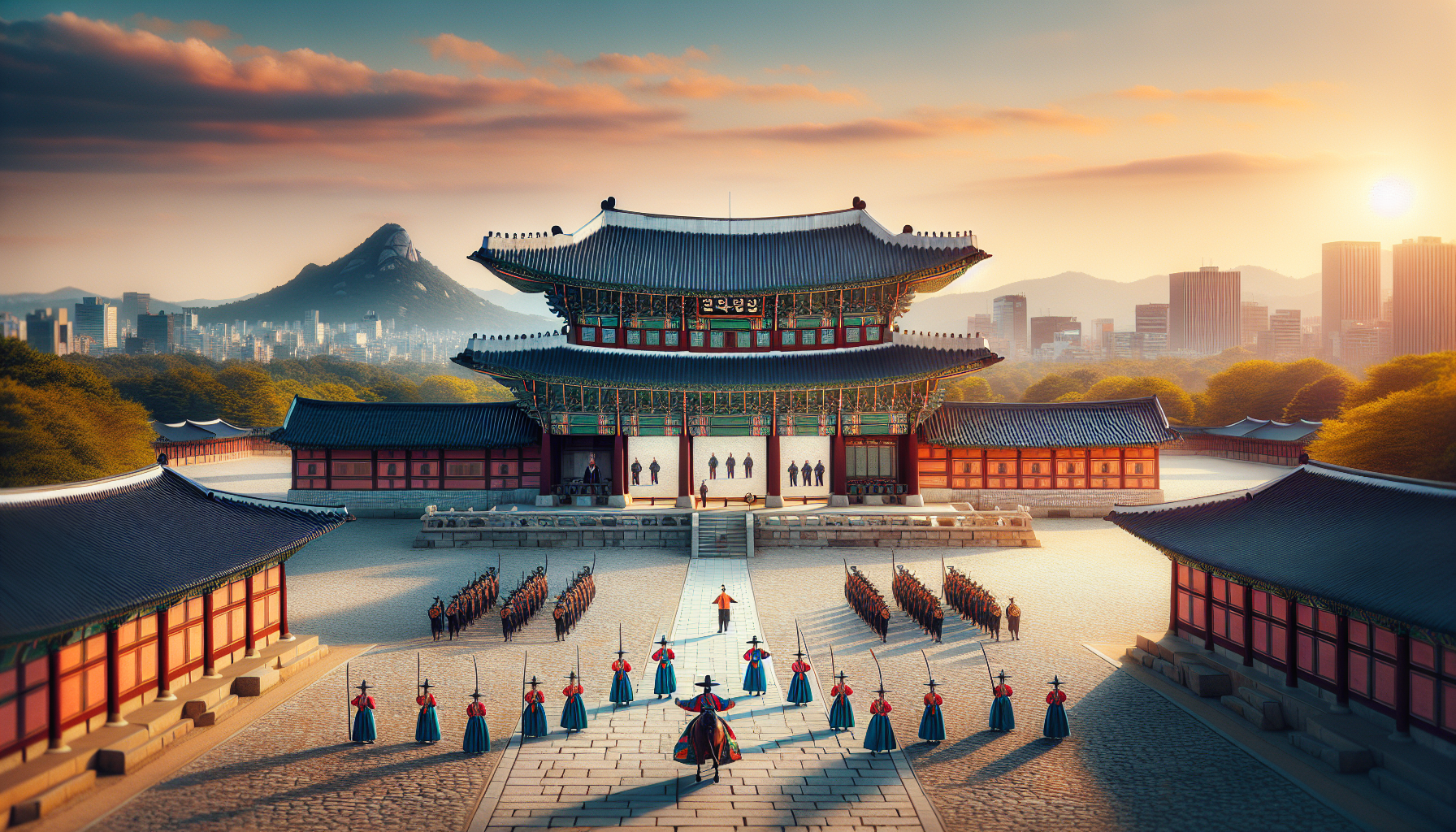
Passing through the formidable Gwanghwamun Gate, you are greeted by sweeping stone courtyards and the imposing Geunjeongjeon Hall, whose dragon-painted eaves soar above meticulously laid granite. The air is charged with reverence as palace guards, resplendent in colorful hanbok, perform the Changing of the Guard ceremony—a spectacle that bridges ancient ritual with contemporary pageantry. Every corner of Gyeongbokgung is an invitation to wander and wonder: from the delicate archways of Gyeonghoeru Pavilion, poised over a mirror-like pond, to the serene Hyangwonjeong Pavilion nestled amidst lotus blooms. The palace’s layout, harmoniously aligned with the surrounding mountains and city, exemplifies the Confucian ideals of balance and order that defined the Joseon era.
Key Information Table
| Category | Details |
|---|---|
| Location | 161 Sajik-ro, Jongno-gu, Seoul, South Korea |
| Official Website | https://www.royalpalace.go.kr |
| Opening Hours | 09:00–18:00 (closed Tuesdays) |
| Admission Fee | 3,000 KRW (adults), 1,500 KRW (children) |
| Best Time to Visit | Spring and Autumn for mild weather and vibrant foliage |
| Public Transport | Subway Line 3, Gyeongbokgung Station, Exit 5 |
| Guided Tours | Available in English, Korean, Japanese, and Chinese |
| Accessibility | Wheelchair accessible with ramps and elevators |
| Google Maps | https://www.google.com/maps/place/161+Sajik-ro,+Jongno-gu,+Seoul,+South+Korea |
Immersive Cultural Experiences
Gyeongbokgung Palace is not simply a static monument; it is a vibrant cultural stage. Throughout the year, visitors can witness traditional court music performances, royal processions, and hands-on workshops in calligraphy and crafts. The palace grounds are filled with the sights and sounds of Korea’s living traditions: the rhythmic pounding of janggu drums, the flutter of silk hanbok skirts, and the gentle glow of lantern-lit evening tours. Donning a hanbok—a custom that grants free entry—offers a transformative experience, letting you traverse time as a Joseon noble or courtier. Children and adults alike marvel at the National Folk Museum of Korea, located within the palace precincts, where stories of Korean daily life come alive through interactive exhibits.
Seasonal Festivals and Special Events
The palace’s calendar is punctuated by evocative festivals and events that breathe new life into its hallowed halls. Each spring, cherry blossoms dust the courtyards in delicate pink, while autumn cloaks the grounds in fiery reds and golds, creating a photographer’s paradise. The annual Moonlight Tours, offered on select evenings, are especially magical: guests wander the illuminated palace by lantern light, accompanied by traditional music and royal cuisine tastings. During the Gyeongbokgung Palace Cultural Festival, visitors can participate in ancient court rituals and enjoy immersive reenactments that resurrect the grandeur of Joseon royalty. These moments transform Gyeongbokgung from a relic into a living, breathing nucleus of Korean culture.
Google Map
How to Get There
Reaching Gyeongbokgung Palace could not be more convenient, as Seoul’s efficient public transportation system seamlessly connects the palace with the rest of the city. Board Subway Line 3 to Gyeongbokgung Station and exit directly at Gate 5; from there, it is only a short walk to the main entrance. Alternatively, city buses stop at nearby Gwanghwamun Square, providing easy access for those exploring central Seoul. For travelers coming from Incheon International Airport, the Airport Railroad (AREX) and a swift transfer to Line 3 will deliver you to the palace’s doorstep in just over an hour. Bicycle rentals and pedestrian-friendly streets make the surrounding area equally accessible for those eager to explore at their own pace.
Nearby Attractions and Local Eats
Insadong: A vibrant cultural district famed for tea houses, artisan craft shops, and authentic Korean street food, perfect for delving into the city’s artistic spirit.
Essential Travel Tips
To make the most of your Gyeongbokgung experience, plan to arrive early in the morning or late in the afternoon, when the palace is bathed in golden light and crowds are thinner. Renting a hanbok, available from shops near the main gate, not only enriches your visit but also provides free admission—a popular choice among both travelers and Seoulites. English-language guided tours are highly recommended and run at set times throughout the day, offering deeper insights into palace history and symbolism. Be sure to check the palace’s official website for event schedules and any seasonal closures. Comfortable footwear is a must, as the palace grounds are expansive and best explored on foot. Photography enthusiasts should bring a wide-angle lens to capture the sweeping vistas and ornate details that abound at every turn.
What Makes This Destination Unique
Gyeongbokgung Palace is more than a collection of royal buildings; it is a living emblem of resilience and renewal. Destroyed and rebuilt multiple times through centuries of war and occupation, its stones hold stories of loss and triumph, silence and song. Now, as skyscrapers rise around its ancient walls, the palace embodies the spirit of Seoul—a city where tradition and transformation exist in elegant harmony. Here, you walk not just in the footsteps of kings, but in the living memory of a nation ever determined to honor its roots while forging its future. The palace’s grandeur, serenity, and ceaseless energy are an invitation to see Seoul not just as a city, but as a living legacy.