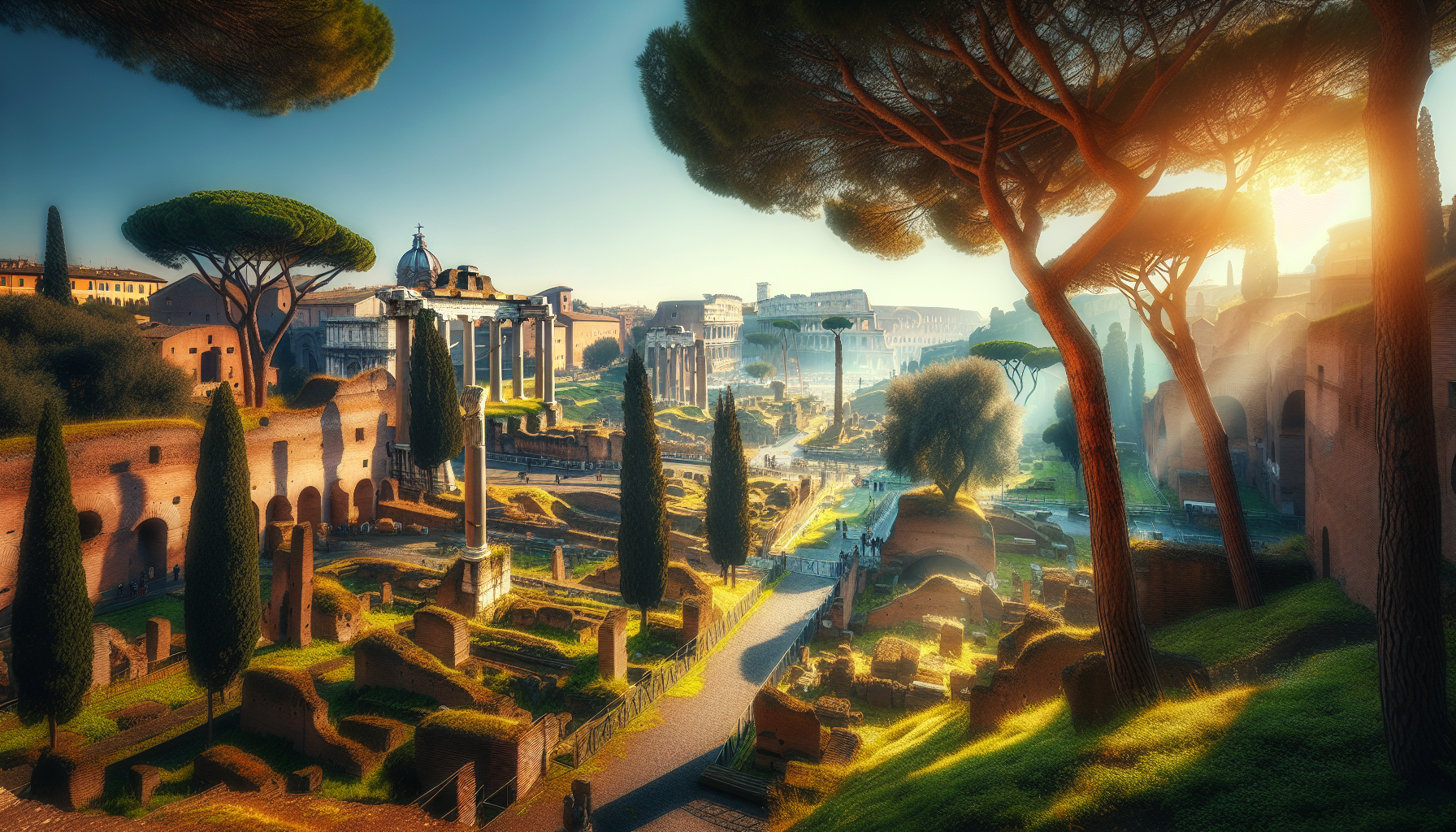
Rising above the heart of Rome, Palatine Hill stands as a silent witness to the grandeur and drama of the Eternal City’s past. This ancient site, perched between the Roman Forum and the Circus Maximus, has been revered for millennia as the birthplace of Rome itself. Palatine Hill is not just a collection of ruins; it is an evocative landscape where myth and history intertwine, where every stone and cypress tree carries the legacy of emperors, poets, and visionaries. For travelers passionate about history, architecture, and the enduring spirit of Rome, Palatine Hill is a destination that promises an unforgettable journey through the ages.
Why Visit Palatine Hill
Few places in the world can rival the historical significance and evocative atmosphere of Palatine Hill. The very foundations of this hill are laced with legend—Romulus, the mythical founder of Rome, is said to have established his settlement here in the 8th century BCE. Over the centuries, Palatine Hill became the residence of Rome’s most powerful citizens, including Augustus, Tiberius, and Domitian. As you wander through the sprawling ruins, the whispers of ancient Rome come alive: the grand imperial palaces, the House of Livia with its stunning frescoes, and the Farnese Gardens that offer breathtaking views over the city. Palatine Hill is a must-visit for anyone who wants to understand the origins of Rome and immerse themselves in the very cradle of Western civilization.
Stepping into Palatine Hill
Walking onto Palatine Hill is like stepping into a living tapestry of Roman history. The path meanders past crumbling walls, majestic arches, and secret courtyards, each revealing layers of Rome’s evolution. Visitors are greeted by fragrant pine and cypress trees, the gentle rustle of leaves a reminder of nature’s eternal presence even in the midst of ancient splendor. The air is thick with anticipation as you ascend toward the Domus Augustana, once the opulent palace of Emperor Domitian. From its terraces, the panorama of Rome unfolds—the Colosseum’s mighty silhouette, the Roman Forum’s labyrinth of columns, and the glinting dome of St. Peter’s Basilica in the distance. Every viewpoint is a reminder of Palatine Hill’s unrivaled vantage over the city it helped shape.
Key Information Table
| Location | Rome, Italy |
|---|---|
| Official Website | https://parcocolosseo.it |
| Opening Hours | Daily, 9:00 AM – 7:00 PM (last entry 6:00 PM) |
| Admission | Included in Colosseum/Roman Forum ticket |
| Best Time to Visit | Spring and Autumn for mild weather |
| Nearest Metro | Colosseo (Line B) |
| Accessibility | Partial (some paths uneven or steep) |
| Guided Tours Available | Yes |
Immersive Cultural Experiences
Palatine Hill offers a wealth of cultural experiences that transport visitors back to Rome’s imperial zenith. Explore the House of Augustus, adorned with exquisite wall paintings that have survived the ravages of time. Join a guided archaeological tour for stories that illuminate both the daily life and the political intrigues of ancient Rome. The Palatine Museum, nestled atop the hill, houses a stunning collection of sculptures, artifacts, and architectural fragments unearthed from the site. As you wander the ancient corridors and gaze upon marble busts of emperors, you’ll feel the pulse of a civilization that shaped the world. Don’t miss the chance to participate in immersive workshops or family-friendly activities offered seasonally, bringing Roman history to life for curious minds of all ages.
Seasonal Festivals and Special Events
Throughout the year, Palatine Hill plays host to a series of evocative festivals and cultural events. During spring and autumn, the site is transformed for open-air concerts and historical reenactments that echo the grand spectacles once held by Rome’s emperors. Special exhibitions in the Palatine Museum delve deeper into the mysteries of imperial life and the mythic origins of Rome. On April 21st, Rome’s birthday, Palatine Hill becomes the epicenter of festivities, with parades, costumed performers, and fireworks illuminating the city’s ancient skyline. Whether you’re visiting during a festival or enjoying the tranquil beauty of a quiet morning, Palatine Hill offers an ever-changing tapestry of cultural delights.
Google Map
How to Get There
Palatine Hill is centrally located in Rome, making it easily accessible from all parts of the city. The nearest metro station is Colosseo (Line B), just a short walk from the main entrance. Numerous bus lines stop at Via dei Fori Imperiali, providing convenient options for those staying elsewhere in the city. For a scenic approach, stroll along the Via Sacra from the Roman Forum or circle around the Circus Maximus for a view that echoes the ancient chariot races. Taxis and ride-share services are also readily available, ensuring a stress-free arrival at this iconic site.
Nearby Attractions and Local Eats
Baths of Caracalla: Massive ancient Roman public baths, known for their impressive ruins and tranquil gardens.
Circus Maximus: Vast open space that once hosted thrilling chariot races, now a popular spot for picnics and events.
Essential Travel Tips
To fully appreciate Palatine Hill, arrive early in the morning to beat the crowds and experience the golden light illuminating the ruins. Wear comfortable walking shoes, as the terrain can be uneven and involves moderate inclines. Bring water, sunscreen, and a hat, especially during summer months when shade can be scarce. Consider booking a guided tour for in-depth insights and access to restricted areas. Photography enthusiasts will find endless inspiration, but be sure to respect the historical integrity of the site by not climbing on ruins. Finally, allow ample time—not just to explore the remains, but to pause, reflect, and absorb the atmosphere of this storied hill.
What Makes This Destination Unique
Palatine Hill is more than an archaeological site; it is the birthplace of Rome’s legends and the cradle of its power. Here, the very stones seem to breathe with stories—of emperors and poets, triumphs and tragedies, beginnings and endings. The sweeping views across the Roman Forum and Colosseum offer a perspective that is both literal and metaphorical: from Palatine’s heights, you see Rome’s past stretching into its present. It is a place that rewards curiosity and contemplation, where every visitor becomes a part of an unbroken chain that links present-day explorers to the city’s ancient founders. In the golden glow of dusk, as the city hums below and the ruins cast long shadows, Palatine Hill reveals itself as Rome’s soul—timeless, enigmatic, and forever inspiring.