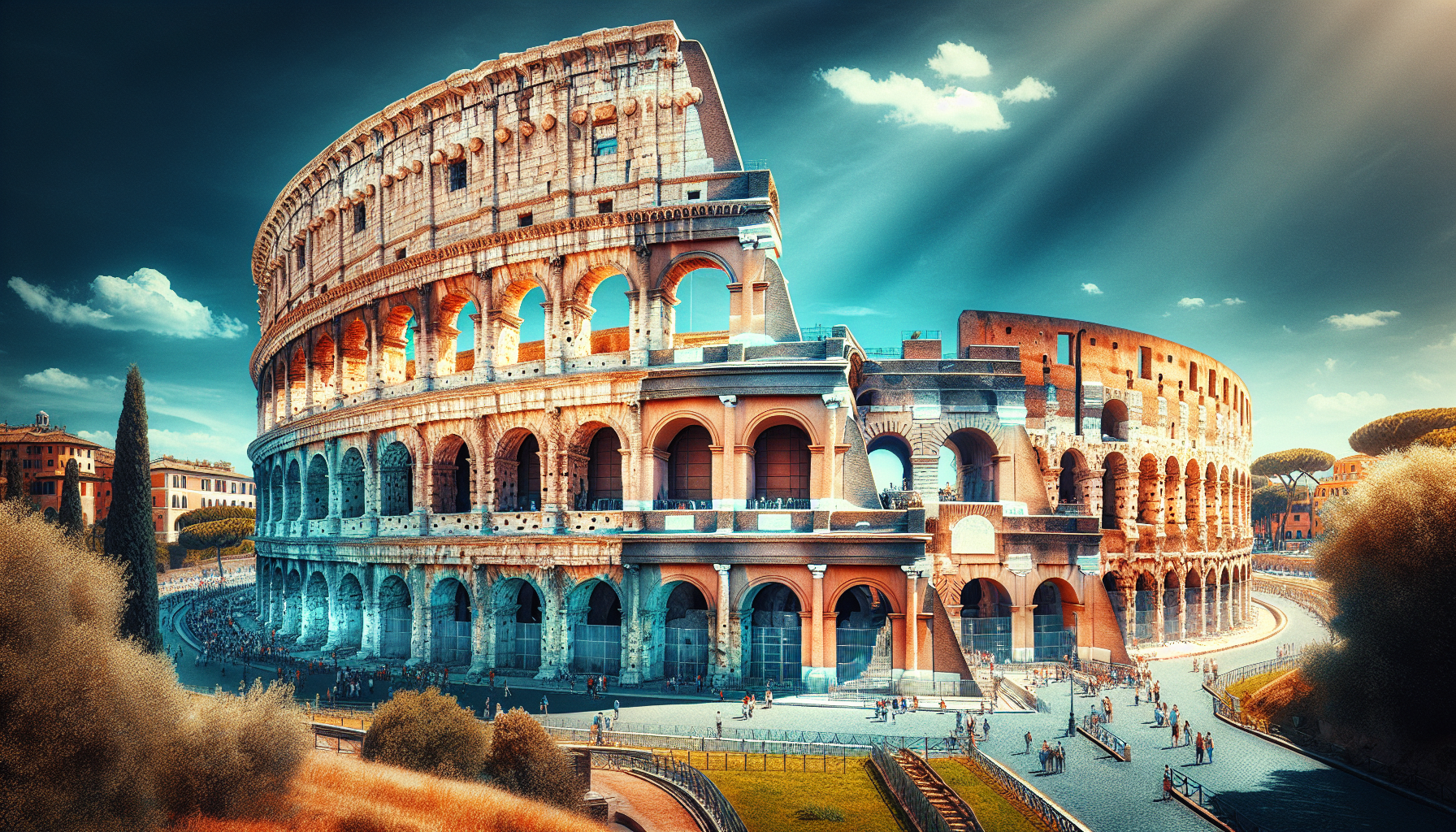
Standing in the heart of Rome, the Colosseum commands reverence like no other. Its weathered travertine stones and soaring arches have silently witnessed the tides of empires, gladiatorial valor, and the awe of millions who have crossed its threshold. The Colosseum is not merely an amphitheater—it is the living soul of Rome, an epic testament to the ingenuity and ambition of the ancient Romans, and a beacon drawing travelers from across the world. To visit the Colosseum is to step directly into the pulse of history, where echoes of the past reverberate through every corridor and shadowed archway.
Why Visit the Colosseum
The Colosseum, also known as the Flavian Amphitheater, is more than a symbol of Rome; it is the embodiment of the city’s indomitable spirit and its relentless pursuit of grandeur. Here, beneath the Italian sun, one can almost hear the roar of eighty thousand spectators, their cheers and gasps shaping the very air. Whether you are captivated by ancient history, inspired by engineering marvels, or simply yearning to stand where legends once lived and died, the Colosseum offers an immersive journey like no other. Its presence is magnetic, compelling, and utterly unforgettable—a true centerpiece for any Roman adventure.
Stepping into the Colosseum
Passing beneath the mighty arches of the Colosseum is an experience that stirs the imagination. Every stone, every scar, tells a story. As you walk the ancient corridors and ascend the tiered steps, you follow in the footsteps of senators, emperors, and commoners alike. The view from the upper levels reveals a breathtaking panorama of Rome—an eternal city sprawling around its ancient core. The arena floor, once a stage for epic battles and public spectacles, still radiates a palpable sense of drama and anticipation. The Colosseum is a place of contrasts: beauty and brutality, innovation and decay, past and present harmoniously entwined.
Key Information Table
| Feature | Details |
|---|---|
| Location | Piazza del Colosseo, 1, 00184 Rome, Italy |
| Opening Hours | 8:30 am – 7:00 pm (varies by season) |
| Entry Fee | €16 (standard ticket), reduced rates available |
| Official Website | https://parcocolosseo.it |
| Best Time to Visit | Early morning or late afternoon |
| Accessibility | Accessible routes and elevators available |
| Nearest Metro | Colosseo (Line B) |
| Guided Tours | Available in multiple languages |
| Official Tourism Site | https://www.turismoroma.it |
Immersive Cultural Experiences
The Colosseum is more than an archaeological monument; it is a cultural crucible. Each year, it hosts educational programs, thematic exhibitions, and evocative night tours that bring its legacy to life. Participating in a guided tour unlocks stories hidden behind the stones—tales of emperors, gladiators, and ingenious Roman engineering. For those enthralled by history, the underground chambers—where animals and fighters prepared for their fate—offer a rare and moving glimpse into the gritty reality of ancient spectacles. The nearby Roman Forum and Palatine Hill extend the experience, providing a sweeping context to Rome’s imperial glory and daily life.
Seasonal Festivals and Special Events
Rome’s calendar is vibrant, and the Colosseum stands at its heart. In April, the city celebrates its birthday with historical reenactments and costumed parades that bring the ancient world to life beneath the Colosseum’s gaze. Summer nights often feature special illuminations and extended visiting hours, casting the amphitheater in a golden, mysterious glow. Throughout the year, cultural festivals and art installations transform the Colosseum’s surroundings, weaving together threads of antiquity and modern creativity. These events highlight Rome’s enduring role as a center of culture, spectacle, and communal pride.
Google Map
How to Get There
Reaching the Colosseum is effortless thanks to Rome’s efficient public transportation. The Colosseo metro station (Line B) is steps from the entrance, while numerous buses and trams serve the nearby area. For those who prefer walking, the Colosseum’s central location makes it an ideal anchor for exploring the historic center on foot. From Termini Station, a short metro ride delivers you directly to the ancient amphitheater. Taxis and ride-sharing services are also readily available, and cycling enthusiasts can take advantage of dedicated bike lanes that weave through Rome’s iconic streets.
Nearby Attractions and Local Eats
Palatine Hill: Rising above the city, Palatine Hill offers sweeping views and is steeped in myth, reputedly the very birthplace of Rome itself.
Essential Travel Tips
To make the most of your Colosseum visit, plan ahead and book tickets online to avoid long queues, especially during peak seasons. Arriving early or just before closing offers a quieter, more contemplative experience. Dress comfortably, wear sturdy shoes for navigating ancient stone pathways, and carry water—Roman summers can be intense. For deeper insights, consider joining a guided tour or renting an audio guide. Photography is allowed, but be respectful of restricted areas and other visitors’ experiences. Finally, pairing your Colosseum exploration with a stroll through the adjacent Roman Forum and Palatine Hill creates a full day immersed in the wonders of Ancient Rome.
What Makes This Destination Unique
The Colosseum’s allure is both universal and deeply personal. Its endurance through centuries of upheaval speaks to the ingenuity and adaptability of Roman civilization. As the world’s most iconic amphitheater, it continues to ignite imaginations, foster a sense of awe, and connect us with the enduring themes of courage, spectacle, and community. Every visit to the Colosseum is a dialogue between past and present, inviting travelers to reflect on the power of history and the stories that bind humanity across time. The spirit of Rome lives within these ancient stones, urging all who visit to bear witness, to wonder, and to carry a piece of this eternal city home within their hearts.
Related Posts
- City Tourism Website: https://www.turismoroma.it
- Attraction Official Website: https://parcocolosseo.it
- Country Tourism Board: https://www.italia.it
- Regional Tourism Office: https://www.visitlazio.com
- Destination Official Homepage: https://www.turismoroma.it