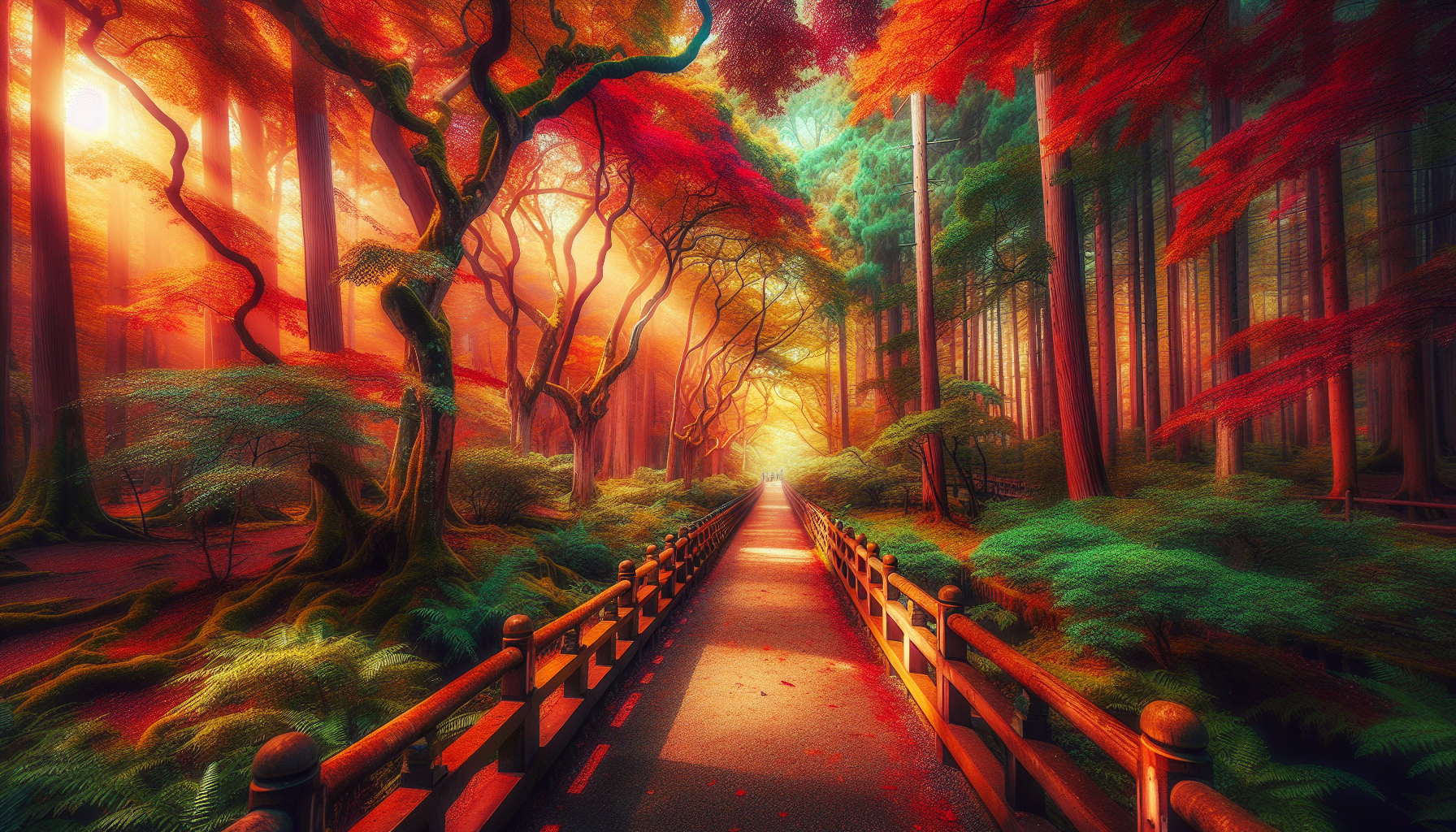
There is a timeless hush that descends as you step beneath the towering cedars of Nara Park. The air is tinged with the faint, earthy aroma of moss, and the distant sound of temple bells mingles with the soft crunch of gravel underfoot. My first moments here are forever etched in memory: a gentle breeze, sunlight flickering through ancient foliage, and the magical sight of wild sika deer bowing politely, their dark eyes reflecting centuries of coexistence with humanity. Nara Park is not simply a destination; it’s an experience that awakens every sense and emotion.
As I wandered from the open lawns dotted with cherry trees to the mystical lantern-lined paths leading to Kasuga Taisha Shrine, I felt both awe and serenity. The energy of Nara is palpable—historic, peaceful, and deeply spiritual. Every footstep connects you to a legacy where nature and culture blend seamlessly, inviting all who visit to witness a living tapestry of Japanese heritage and natural wonder.
▼ Key Information
| Opening Hours | 24 hours (shrines and temples within the park have specific hours) |
| Entrance Fee | Free (additional fees for specific temples/shrines) |
| Address | 469 Zoshicho, Nara, Nara Prefecture 630-8211, Japan |
| Google Maps Location Name | Nara Park |
| Best Time to Visit | March–May (cherry blossoms), October–November (autumn foliage) |
| Transportation Overview | 15-minute walk from Kintetsu Nara Station; accessible by city bus from JR Nara Station |
| Official Website | Visit Official Website |
▼ History & Background
Nara Park, established in 1880, is one of Japan’s oldest public parks and a living testament to the country’s reverence for nature and history. The park sprawls gracefully across 660 hectares, embracing some of Nara’s most significant landmarks, including Todai-ji Temple and Kasuga Taisha Shrine. The park’s famed sika deer, regarded as messengers of the gods in Shinto belief, have roamed these grounds for centuries, freely mingling with visitors and locals alike. The tranquil coexistence between people and deer is not only enchanting but emblematic of the spiritual harmony that defines Nara.
Throughout the centuries, Nara Park has been the stage for countless cultural events and religious ceremonies, its mossy stone lanterns and ancient trees bearing silent witness to the tides of Japanese history. The park’s proximity to iconic sites like Todai-ji Temple and Kasuga Taisha Shrine means every step here is steeped in millennia-old stories, inviting travelers to lose themselves in the whispers of the past.
▼ Main Attractions
Todai-ji Temple
The colossal wooden gates of Todai-ji Temple rise majestically above the park’s eastern edge. Entering the Daibutsuden (Great Buddha Hall), you are struck by the sheer scale and serenity of the world’s largest bronze Buddha statue. Sunlight streams through high lattice windows, illuminating intricate carvings and the faint scent of incense lingers in the cool air. Take your time admiring the temple’s architectural marvels and, if you’re feeling adventurous, try squeezing through the “Buddha’s Nostril” for good fortune.
Kasuga Taisha Shrine
Follow the stone lantern-lined path deeper into the forest, where the vermillion torii gates of Kasuga Taisha Shrine emerge amidst ancient cedars. Here, the atmosphere is hushed and mystical, broken only by the soft rustle of deer in the undergrowth. The shrine’s bronze lanterns, aglow during festivals, cast flickering patterns on mossy stones and vermillion pillars. Don’t miss the botanical gardens and the sacred wisteria blooms each spring.
Nara National Museum
Art lovers and history buffs can delve into Japan’s Buddhist heritage at the Nara National Museum, a treasure trove of ancient statues, scrolls, and ceremonial objects. The galleries are quiet and contemplative, with soft lighting that brings every artifact to life. Check the calendar for special exhibitions or the annual Shosoin Exhibition, where priceless imperial treasures are displayed for a limited time.
Deer Feeding Experience
Perhaps the most iconic activity in Nara Park is interacting with its resident sika deer. Vendors sell special “shika senbei” rice crackers, and the deer, ever polite, often bow in anticipation of a treat. Their soft fur and curious eyes make this a heartwarming experience—just be mindful of your belongings, as these gentle creatures can be persistently playful!
Seasonal Beauty: Cherry Blossoms & Autumn Leaves
Visit in spring to witness a dreamlike spectacle as over 1,700 cherry trees burst into bloom, their petals swirling in the breeze like pink snow. In autumn, the park transforms as fiery maples and golden ginkgos set the landscape ablaze with color. Both seasons offer unforgettable photo opportunities, best enjoyed during early morning when the light is soft and the crowds are few.
▼ Recommended Travel Route
Start: Kintetsu Nara Station (15-minute walk to park entrance)
First Stop: Nara Park Main Lawn (deer feeding, 20 minutes)
Next: Walk east to Todai-ji Temple (10 minutes, 1 km); explore temple & museum (60 minutes)
Continue: Stroll south along the lantern path to Kasuga Taisha Shrine (15 minutes, 1 km); visit shrine & gardens (45 minutes)
Final Stop: Nara National Museum (10 minutes, 700m); enjoy exhibits (30–40 minutes)
Optional: Extend your walk to Isuien Garden (15 minutes; peaceful tea house and pond views)
Return: Head back to Kintetsu Nara Station or continue exploring nearby Naramachi district, famous for traditional merchant houses.
▼ Traveler Tips
- Best time of day: Early morning (8–10am) for tranquil atmosphere and fewer visitors
- Weather: Spring and autumn offer mild, pleasant weather; summers can be humid, winters crisp with occasional snow
- Safety: The park is extremely safe, but keep an eye on personal items around deer; some deer can be playful
- Photo spots: Main lawn with deer, Todai-ji Daibutsuden, Kasuga Taisha lantern path, cherry blossom groves
- Accessibility: Main paths are paved and wheelchair accessible; temples may have steps or gravel sections
- Do’s & Don’ts: Do bow before feeding deer; don’t tease or chase them. Do respect sacred areas; don’t litter.
▼ FAQ
- Is Nara Park safe for solo travelers and families?
Yes, Nara Park is considered extremely safe, with friendly staff and helpful signage throughout. The deer are generally gentle, but young children should be supervised when feeding them. - How do I reach Nara Park from Kyoto or Osaka?
From Kyoto, take the Kintetsu Line (35 minutes); from Osaka, use the JR Yamatoji Line (45 minutes). Both stations are a short walk or bus ride from the park entrance. - Is Nara Park suitable for visitors with limited mobility?
Main areas are accessible, with paved paths and ramps. Some temples/shrines may have steps, but staff can provide assistance. Wheelchair rental is available at the Nara City Tourist Center. - What is the best season to visit?
Spring for cherry blossoms and autumn for colorful foliage are most popular. Summers are hot and humid, while winters are quiet with possible snow, offering a serene atmosphere. - Are there other attractions nearby?
Yes! Beyond Todai-ji and Kasuga Taisha, visit Isuien Garden for tranquil pond views, or Naramachi for traditional merchant houses and craft shops.
▼ 관련 글 더 보기
- Nara’s Ancient Temples: A Journey Through Time
- Exploring the Wonders of Kyoto’s Fushimi Inari Shrine
- Osaka Castle: History, Gardens & Skyline Views
- Unveiling Horyu-ji: The World’s Oldest Wooden Temple
- Japan’s Cherry Blossom Destinations: Top Picks for Spring
Every visit to Nara Park feels like stepping into a living scroll of Japanese artistry—a place where sacred deer roam freely beneath the timeless gaze of ancient temples, and every season paints the landscape anew. Here, the past and present dance together in luminous harmony, inviting you to slow down, breathe deeply, and become part of a story that has unfolded for over a thousand years. In Nara, wonder is not just observed; it is lived, savored, and cherished in every step.