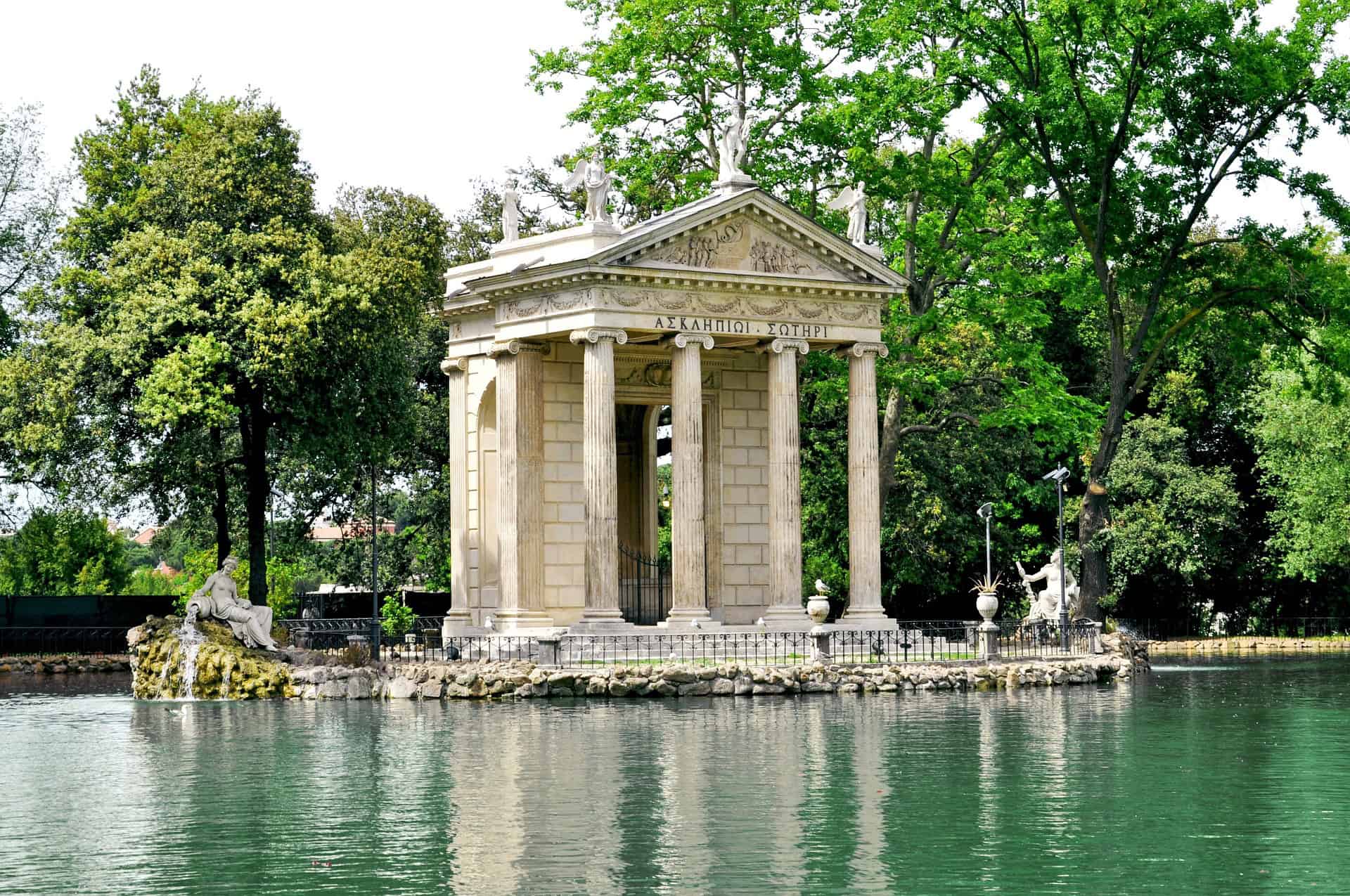
Borghese Gallery Rome Guide: What to See, Bernini Highlights, and How to Plan the Perfect Visit
Borghese Gallery Rome is one of those museums that can completely reset your expectations of art in the Eternal City. Rome is full of monumental places that overwhelm you with scale, noise, and crowds, but the Galleria Borghese works in a different way. It is more intimate, more controlled, and somehow more intense. Instead of being buried under endless corridors, you move through a sequence of refined rooms where Bernini, Caravaggio, Raphael, Titian, and Canova seem to speak directly to you.
What surprised me most when I first studied the Borghese Gallery was not only the quality of the collection, but the way the building and the artworks cooperate. The villa is not just a container for masterpieces. It is part of the performance. Painted ceilings, polished floors, sculpted walls, and carefully framed sightlines make the whole museum feel theatrical without becoming exhausting. If you want a Rome museum that feels elegant, focused, and emotionally memorable, this is one of the strongest choices in the city.
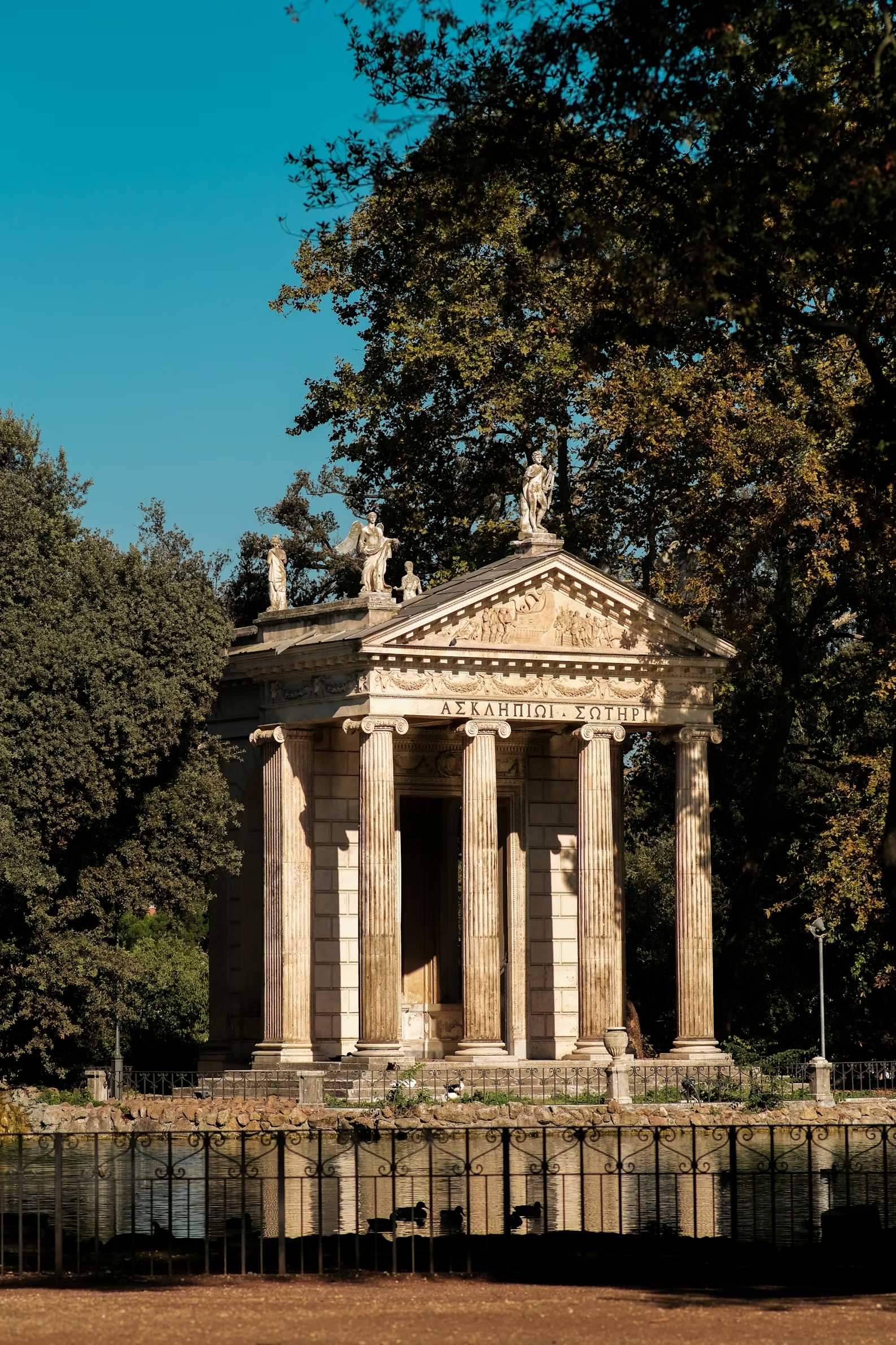
Why This Borghese Gallery Rome Guide Matters
This guide is for travelers who want more than a list of famous paintings. It explains what makes the Borghese Gallery different from Rome’s larger museums, which masterpieces deserve the most attention, how to structure your visit without rushing, and whether this museum is actually worth prioritizing on a first or second trip to Rome. It also works for readers exploring the gallery virtually before booking.
Quick Summary
- The Borghese Gallery is one of Rome’s most elegant museums, known for a concentrated collection of Bernini sculptures, Caravaggio paintings, Raphael, Titian, and Canova.
- Unlike the Vatican Museums, this experience is shorter, more controlled, and far easier to enjoy without mental fatigue.
- The museum sits inside Villa Borghese and combines art, architecture, and atmosphere in a way that feels unusually immersive.
- Timed reservation is essential, and the standard visit works best when you already know your priority highlights.
- If you love sculpture, Baroque drama, and museums that feel curated rather than endless, the Borghese Gallery Rome is one of the best cultural stops in Italy.
Key Visitor Information
| Opening hours | Tuesday to Sunday, 9:00 AM–7:00 PM |
| Last admission | 5:45 PM |
| Closed | Mondays |
| Reservation policy | Advance booking is required, and the standard visit is structured around a two-hour entry window. |
| Address | Piazzale Scipione Borghese 5, Rome |
| Best time to visit | Early slots or later afternoon slots tend to feel calmer and more enjoyable. |
| Best for | Art lovers, couples, solo travelers, repeat Rome visitors, sculpture fans, and travelers who want a premium museum experience without the chaos of bigger institutions. |
What It Actually Feels Like Inside
The Borghese Gallery feels polished in a way that many famous museums do not. You notice it right away in the transitions between rooms. Nothing feels accidental. Paintings sit in spaces that flatter them. Sculptures are given enough room to breathe. Ceiling decoration, wall tone, and marble surfaces all contribute to the mood. Even when other visitors are around, the gallery rarely feels like pure crowd management.
I think that is why this museum leaves such a strong emotional trace. It is not just that the artworks are famous. It is that the setting allows them to perform. Bernini, in particular, benefits from this. His sculptures do not merely sit in a room; they seem to occupy and organize the room around them.
The History of the Borghese Gallery
The Borghese Gallery begins with Cardinal Scipione Borghese, the nephew of Pope Paul V and one of the most ambitious art collectors of early 17th-century Rome. He developed the collection at a moment when patronage, politics, and prestige were tightly connected. The villa was never meant to be modest. It was designed as a place where taste, power, and cultural authority could all be displayed at once.
That original collection grew through acquisitions, inheritances, and strategic collecting. Ancient sculpture mattered deeply to the Borghese family, but so did modern artistic innovation. That is one reason the museum today feels unusually balanced: you can sense the dialogue between antiquity, Renaissance refinement, and Baroque energy.
The collection also has a more complicated side. During the Napoleonic period, a significant part of the archaeological collection was transferred to Paris and entered the Louvre. Even so, the gallery retained a remarkable group of masterpieces. Since 1902, the Borghese Gallery and the broader estate have belonged to the Italian state, which helped preserve the museum as a coherent historic environment rather than dispersing it into a more generic institutional format.
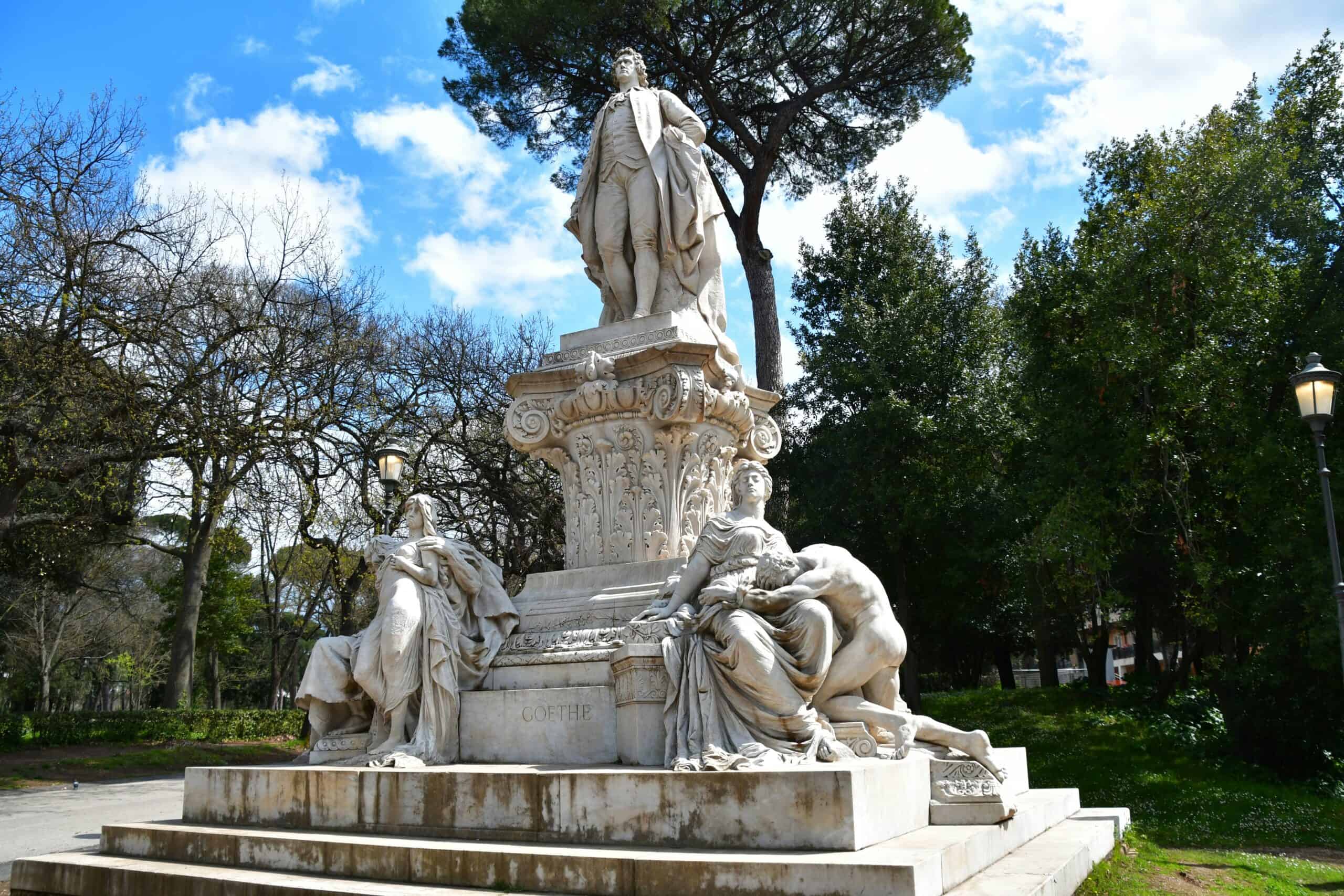
Must-See Masterpieces at the Borghese Gallery Rome
Apollo and Daphne — Bernini
This is usually the sculpture people remember most vividly. Bernini captures the exact moment Daphne transforms into a laurel tree while Apollo still lunges toward her. The genius is not only technical, though the marble is astonishing. It is also cinematic. The work rewards movement. Walk around it slowly, and the story changes from angle to angle. From one side, it feels like pursuit. From another, it feels like escape. From another, it feels almost tragic.
The Rape of Proserpina — Bernini
This is one of the most physically startling sculptures in the museum. Bernini’s handling of flesh, pressure, and resistance can feel almost impossible in stone. The emotional drama is immediate, but so is the technical brilliance. It is one of those works that can stop even casual museum visitors in their tracks.
David — Bernini
Bernini’s David feels completely different from the more static heroic tradition many travelers expect. He is tense, concentrated, and caught mid-action. The work radiates motion rather than symbolic calm. I think it is one of the clearest demonstrations of how Baroque sculpture wanted to engage the viewer as a witness to unfolding drama.
Caravaggio Room Highlights
The Borghese Gallery holds one of the most compelling Caravaggio groups in Rome. Boy with a Basket of Fruit, David with the Head of Goliath, and other works reveal how radically he changed painting through realism, shadow, and emotional unease. His paintings do not flatter. They expose. Even when viewed quickly, they create a different atmosphere from the surrounding collection—more human, more unstable, more psychologically charged.
Raphael’s Deposition
Raphael brings a different emotional register into the museum. Where Bernini is kinetic and Caravaggio is dramatic, Raphael creates compositional clarity and solemn beauty. Deposition has a formal grace that acts almost like a reset for the eye. The painting is moving, but it is also structured with such intelligence that you feel guided through its grief.
Sacred and Profane Love — Titian
Titian’s great canvas is another reason the museum feels so rich. It expands the visit beyond Roman Baroque force and into Venetian color, ambiguity, and sensuality. Many visitors come for Bernini and leave unexpectedly haunted by Titian.
Pauline Bonaparte as Venus Victrix — Canova
Canova’s sculpture has a completely different temperature from Bernini. It is cooler, smoother, and more controlled, yet it still feels theatrical in its own way. The reclining pose, the polished marble, and the quiet confidence of the figure make it one of the most unforgettable works in the later part of the collection.
How to Visit Without Wasting the Experience
The biggest mistake with the Borghese Gallery is to treat it like a faster version of a giant museum. It is better understood as a concentrated, high-value visit. Because you know the visit window is limited, it helps to enter with a clear plan. Decide in advance whether your priority is Bernini, Caravaggio, or a more balanced route through the rooms.
- Book a timed ticket before building the rest of your Rome day around it.
- Arrive a little early so you are not stressed before entry.
- Do not spend the first third of the visit taking too many photos.
- Circle Bernini’s major sculptures instead of viewing them only frontally.
- Leave some mental space for the quieter paintings and decorative rooms.
Is the Virtual Borghese Gallery Experience Worth It?
Yes, with one important condition: you should treat it as preparation or extension, not a full substitute. A virtual tour can help you learn the room order, identify the works you care about most, and understand the museum’s visual rhythm before arriving in person. It is especially useful for readers who want to avoid wasting their limited two-hour visit.
That said, Bernini is one of those artists who loses something essential on a flat screen. You can study the forms online, but the physical shock of scale, polish, and spatial presence is still different in person. Caravaggio also gains power from the room atmosphere and not just the painting itself.
I would use the virtual experience strategically: first to build familiarity, then to deepen appreciation after a real visit, not to replace the museum altogether.
Borghese Gallery vs Vatican Museums
| Category | Borghese Gallery | Vatican Museums |
|---|---|---|
| Pacing | Controlled and elegant | Huge and often exhausting |
| Best for | Focused art experience | Monumental scale and variety |
| Crowd pressure | Moderate and managed | Often intense |
| Ideal visit length | About 2 hours | Half day or more |
| My honest take | Better for pleasure and attention | Essential, but heavier |
Who Should Prioritize the Borghese Gallery?
Excellent fit for: art-focused travelers, sculpture lovers, couples, solo cultural travelers, repeat Rome visitors, and anyone who wants at least one museum in Rome that feels intimate and premium rather than overwhelming.
Less ideal for: travelers who only want giant checklist attractions, families with very little museum patience, or visitors who prefer archaeological sites to gallery environments.
My view: if you only do one major art museum in Rome and you care more about quality of experience than sheer size, the Borghese Gallery has a very strong case.
FAQ
How long do you need at the Borghese Gallery Rome?
The standard structure is a two-hour visit, and that is enough for most travelers if they arrive with a clear plan.
Do you need to book in advance?
Yes. Reservation is required, and this is not a museum where last-minute spontaneity is a safe strategy.
What is the most famous artwork in the Borghese Gallery?
Bernini’s Apollo and Daphne is probably the most iconic single highlight, though many visitors are equally stunned by The Rape of Proserpina and the Caravaggio rooms.
Is the Borghese Gallery worth it for first-time Rome visitors?
Absolutely, especially if you want at least one museum in your itinerary that feels refined, manageable, and deeply memorable.
Is it better than the Vatican Museums?
They do different things. The Vatican offers scale and breadth, while the Borghese offers concentration, elegance, and easier enjoyment.
Can you visit without loving art history?
Yes. The gallery is actually strong for non-specialists because the rooms are visually rewarding and the major works are immediately legible.
Should I do the virtual tour first?
Yes, if you want to use your real visit more intelligently. It is most helpful as preparation rather than replacement.
More Italy Guides on Trip-Nexus
Official and Useful Resources
Final Thoughts
The Borghese Gallery Rome succeeds because it does not try to be everything. It offers concentration instead of overload, atmosphere instead of queue fatigue, and masterpieces that still have room to breathe. In a city where many famous attractions compete by sheer scale, that restraint becomes a real advantage.
If you care about Bernini, Caravaggio, and the emotional power of art displayed in the right setting, this museum is one of Rome’s most rewarding experiences. And if you have ever come out of a giant museum feeling more drained than inspired, the Borghese Gallery may be exactly the correction your itinerary needs.
Book early, go in with a plan, slow down in front of the sculptures, and leave time for a walk through Villa Borghese after. That combination gives this museum its full effect.