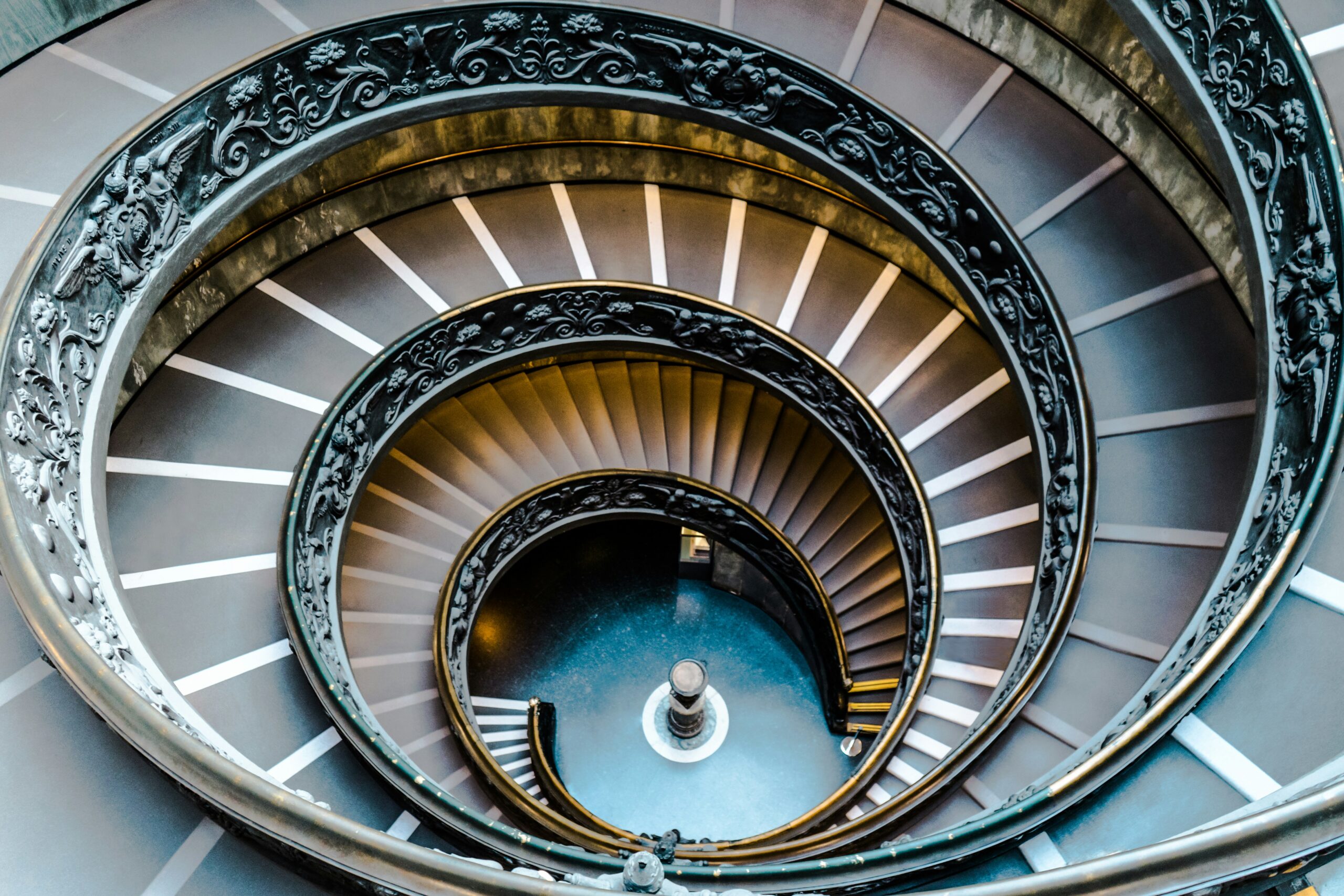
Imagine standing amidst centuries of art, culture, and history, where every corner you turn reveals a masterpiece that has captivated millions. This is more than just a museum visit; it’s an awe-inspiring journey through the corridors of the Vatican Museums – Vatican City, a place where time seems to stand still. Here, in the heart of Vatican City, you’ll uncover mesmerizing views that not only tell the stories of artistic geniuses but also offer a glimpse into the profound influence of religion and culture on our world. As you venture through this iconic treasure trove, marvel at the intricate details and the rich tapestry of human achievement on display.
Navigating the labyrinth of galleries and halls in the Vatican Museums feels like traveling through the pages of history itself. From the breathtaking frescoes of the Sistine Chapel to the expansive Gallery of Maps, each area offers a unique lens into the past. For anyone intrigued by art, history, or simply the sheer beauty of human creation, a visit here is a must. The journey through these hallowed spaces promises not only captivating views but also an unforgettable immersion into the heart of creativity and devotion. Prepare to be enchanted as we explore the magnificent attractions, ideal travel routes, and hidden gems that await in this unparalleled destination.
Key Information
| Opening hours | Monday–Saturday 09:00–18:00 (last entry 16:00); free last Sunday 09:00–14:00 |
| Entrance fee | Adults €17; reduced €8 (ages 6–18, students); free for children under 6 |
| Address | Viale Vaticano, 00165 Vatican City |
| Google Maps location name | Vatican Museums |
| Best time to visit | Weekday mornings (09:00–11:00) during off-peak season (October–April) |
| Transportation overview | Metro A to Ottaviano–San Pietro (8 min walk); Bus 49, 32; taxi drop at entrance gate |
History / Background
The Vatican Museums trace their origins to the early 16th century when Pope Julius II decided to display his growing collection of sculptures in the Belvedere Courtyard. Over the centuries, successive popes, from Clement XIV to Pius XI, expanded the galleries to house paintings, tapestries, archaeological finds, and Renaissance frescoes. The museums officially opened to the public in 1771 under Clement XIV, marking the birth of one of the world’s largest and most significant art complexes.
Today, the Vatican Museums encompass over 54 galleries and 7 km of exhibition space, welcoming roughly 6 million visitors annually. The collections reflect the Vatican’s role as a cultural and spiritual hub, showcasing masterpieces that span from ancient Egypt and Greece through the Middle Ages to modern times. As a UNESCO World Heritage site, these museums offer not only art but also a window into the evolution of European and global culture.
Main Attractions
The Vatican Museums contain a vast network of galleries, each dedicated to a specific era or theme. While the entire route can stretch over 3 km, strategic planning allows you to focus on top highlights in under three hours.
From Michelangelo’s famous frescoes to ancient Roman sculptures, each section offers sensory details—from the whisper of footsteps on marble floors to the filtered light illuminating gilded frames. Below are the unmissable areas you must explore.
The Sistine Chapel
Arriving at the Sistine Chapel feels like stepping into the very heart of Renaissance artistry. Michelangelo’s ceiling fresco, painted between 1508 and 1512, spans over 500 m² and depicts scenes from Genesis, including the iconic “Creation of Adam.” The chapel’s walls also feature works by Botticelli and Perugino, creating a tapestry of color and religious narrative above marble floors.
Tips: Aim to enter right at 09:00 or after 15:00 to avoid the largest crowds. Remember that photography is prohibited, and guards enforce silence inside the chapel. Allocate at least 20 minutes here—more if you have an audio guide. Be mindful of the chain barrier at the entrance; it’s about an 8-minute walk from the Gallery of Maps to the Sistine Chapel entrance.
Gallery of Maps
The Gallery of Maps is a 120 m-long corridor adorned with 40 detailed cartographic frescoes painted by Ignazio Danti in the late 16th century. Each map represents a region of the Papal States, offering a bird’s-eye perspective of Italy as it was known in 1580. The vaulted ceiling features celestial motifs and papal coats of arms, enriching the visual journey.
Practical tip: The polished marble floor can be slippery, especially when damp. Wear comfortable shoes with good grip and watch your step. Visit mid-morning when natural light from the clerestory windows illuminates the maps. Guided tours often linger here for 10–15 minutes, but a self-paced visit takes around 7–10 minutes to admire every panel.
Pio-Clementino Museum
Entering the Pio-Clementino Museum, you’ll discover one of Europe’s most celebrated collections of ancient Greek and Roman sculptures. The highlight is the Laocoön and His Sons statue, an early 1st-century CE masterpiece of Hellenistic baroque drama. Nearby stands the Apollo Belvedere, a symbol of classical beauty, housed in the octagonal Salone. Each room is organized to guide visitors through thematic groups—from mythological figures to funerary reliefs.
Pro tip: Start here to beat the midday rush. The museum’s layout features wide corridors and vaulted ceilings, offering relief from crowded galleries. Signs indicate a 20 min route, but allocate 30–40 min if you wish to photograph details of the sculptures. Benches are available in the Salone to rest and absorb the serene atmosphere.
Raphael Rooms
The Raphael Rooms (Stanze di Raffaello) encompass four interconnected chambers frescoed by Raphael and his workshop between 1508 and 1524. The most famous, the Stanza della Segnatura, houses the School of Athens fresco, a gathering of Plato, Aristotle, and other luminaries. Adjacent rooms depict theological, philosophical, and poetic themes, each with vibrant hues and intricate perspective techniques.
Tip: Silence and soft lighting preserve the frescoes, so photography is restricted to low-flash or none. Spend at least 15 minutes in the School of Athens room—the optical vanishing point aligns with the corridor entrance. Audio guides often include commentary on hidden symbols and Raphael’s use of classical architecture to enhance depth perception.
Belvedere Courtyard
The Belvedere Courtyard, designed by Donato Bramante in the early 16th century, connects the Vatican Palace to the Pio-Clementino complex. This open-air space features central pine trees, classical statues like the Dying Gaul, and glimpses of Vatican Gardens beyond. The courtyard’s two-level arrangement provides varied vantage points for photography and viewing the surrounding Renaissance architecture.
Practical advice: Midday light casts soft shadows across the courtyard, ideal for capturing the sculpted forms. Watch for sudden rain showers in spring—there’s minimal shelter, so carry a compact umbrella. Spend 10–12 minutes here before proceeding to indoor galleries, and consider slipping out to nearby Vatican Gardens for a brief walk if time permits.
Recommended Travel Route
- 09:00 – Enter at the main gate; show e-ticket printed or on smartphone to skip lines (takes 5 min).
- 09:10 – Head to the Pio-Clementino Museum (8 min walk); start with Laocoön then Apollo Belvedere (30 min).
- 09:50 – Exit into Belvedere Courtyard for photos and open-air pause (10 min).
- 10:05 – Continue to Gallery of Maps (5 min walk); admire frescoes under natural light (10 min).
- 10:20 – Move on to the Raphael Rooms (4 min); explore all four chambers (20 min).
- 10:45 – Finish at the Sistine Chapel (6 min); allocate 20 min in silence to soak in Michelangelo’s masterpiece.
- 11:10 – Exit via the Scala Regia, linking directly to St. Peter’s Basilica area (8 min walk).
Summary / Final Thoughts
The Vatican Museums – Vatican City offers an unparalleled glimpse into art history, from ancient Rome to Renaissance genius. Travelers interested in classical sculpture, papal legacy, or iconic frescoes will find these galleries unforgettable. Plan your visit on a weekday morning in shoulder season to avoid the largest crowds.
Book tickets online at least two weeks in advance, wear comfortable shoes, and carry water—some galleries can be warm and crowded. Whether you linger over Raphael’s frescoes or gaze upward at Michelangelo’s ceiling, this journey through the Vatican Museums promises lifelong memories of artistic and spiritual discovery.