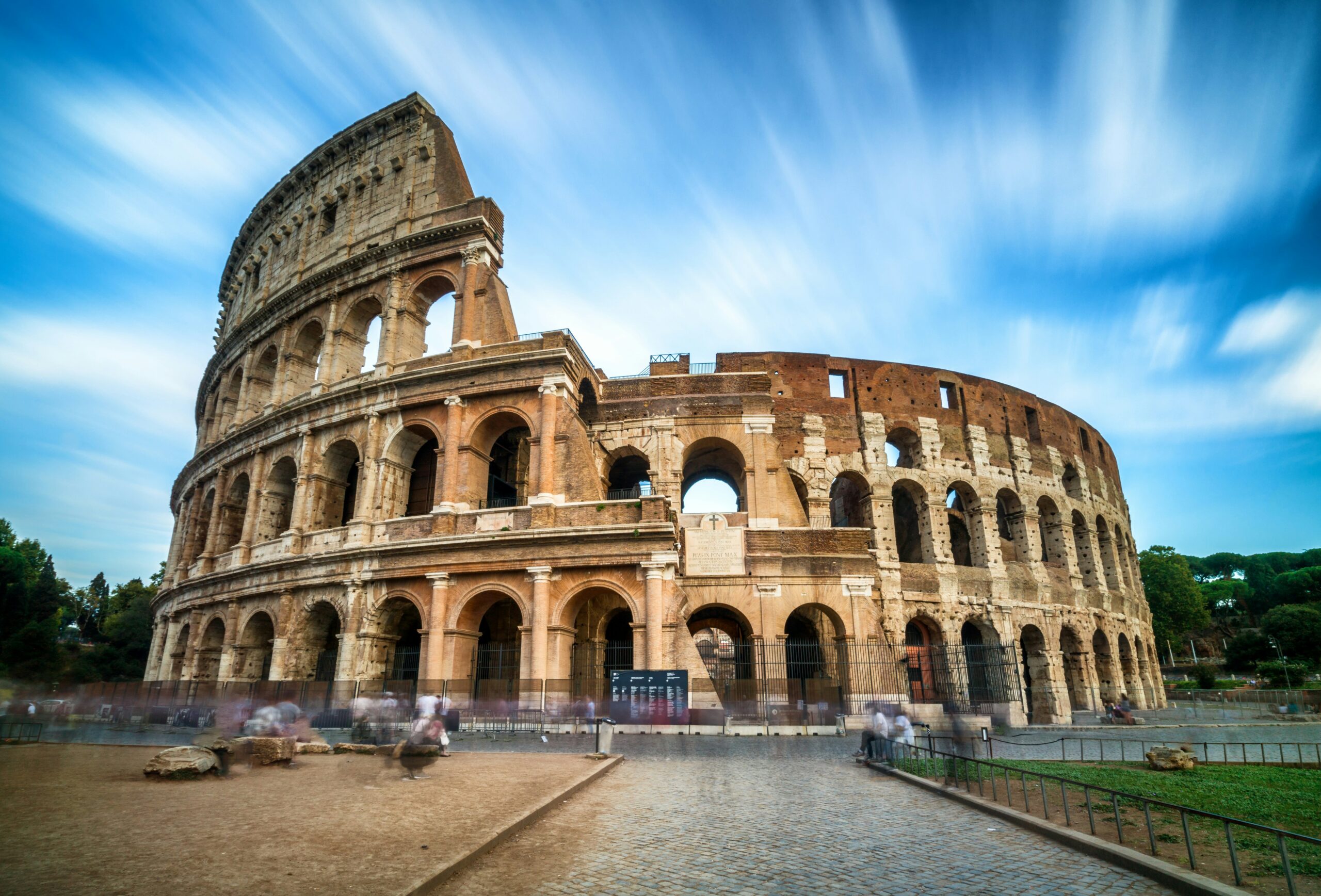
View from the Colosseum in Rome: Best Panoramic Spots, Ticket Strategy, and Smart Route
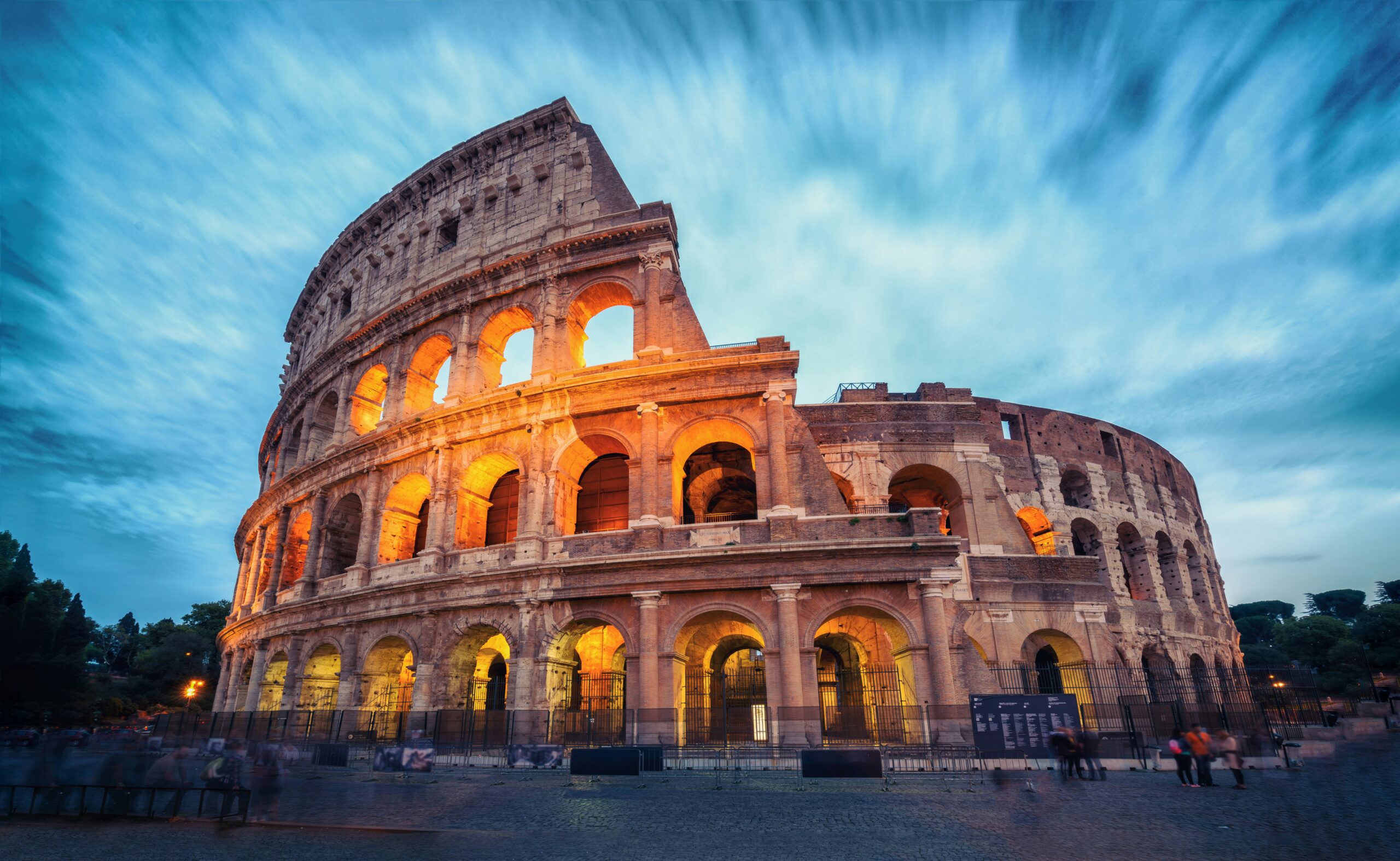
View from the Colosseum in Rome is one of those experiences that looks obvious in photos and then feels completely different in real life. You expect a famous monument. What you actually get is a layered view into how ancient Rome staged power. From the upper levels, the Roman Forum opens below you like a broken civic map, Palatine Hill rises behind it like the private world of emperors, and modern Rome stretches outward in long, sunlit lines.
I think this is why the Colosseum works best when you treat it as more than a box to tick. The real payoff is not only standing inside the amphitheatre. It is understanding what you can see from it, which ticket gives you the best perspective, and how to combine it with the Forum and Palatine without ending the morning exhausted and slightly annoyed.
Search Intent
This guide is for travelers who want the best view from the Colosseum in Rome, need help choosing between standard, arena, underground, and upper-level style access, and want a realistic route that combines the Colosseum + Roman Forum + Palatine Hill in one strong half-day plan.
Quick Summary
- The best panoramic view from the Colosseum usually comes from the higher levels, where the Forum and Palatine make the whole archaeological core easier to read.
- Timed entry matters more than many visitors expect, so booking the right slot can improve both crowd levels and photo quality.
- Arena access gives the strongest emotional impact, while underground access adds the most behind-the-scenes historical depth.
- The smartest route is usually Colosseum first, then Roman Forum, then Palatine Hill.
- Early morning is best for cooler temperatures and easier movement, while late afternoon gives the warmest light for panoramic photos.
Why the view from the Colosseum feels bigger than a monument photo
The Colosseum is often treated as a single icon, but the view from inside it explains much more than the building itself. When you look outward from the upper sections, you are not just admiring a skyline. You are looking into the political and ceremonial center of ancient Rome. The Forum lies below like the civic stage where power was performed, debated, and celebrated. Palatine Hill stands nearby as the elevated zone of imperial authority. Even the surrounding modern streets help you understand how Rome has grown around its ancient core instead of replacing it entirely.
That is why I usually tell people not to think in terms of “Is the Colosseum worth entering?” The better question is, “Which version of the Colosseum experience do I want?” A rushed standard visit still gives you scale and atmosphere, but the higher sections and restricted access areas are what transform the monument from famous stonework into a place that feels narratively alive.
What it actually feels like inside
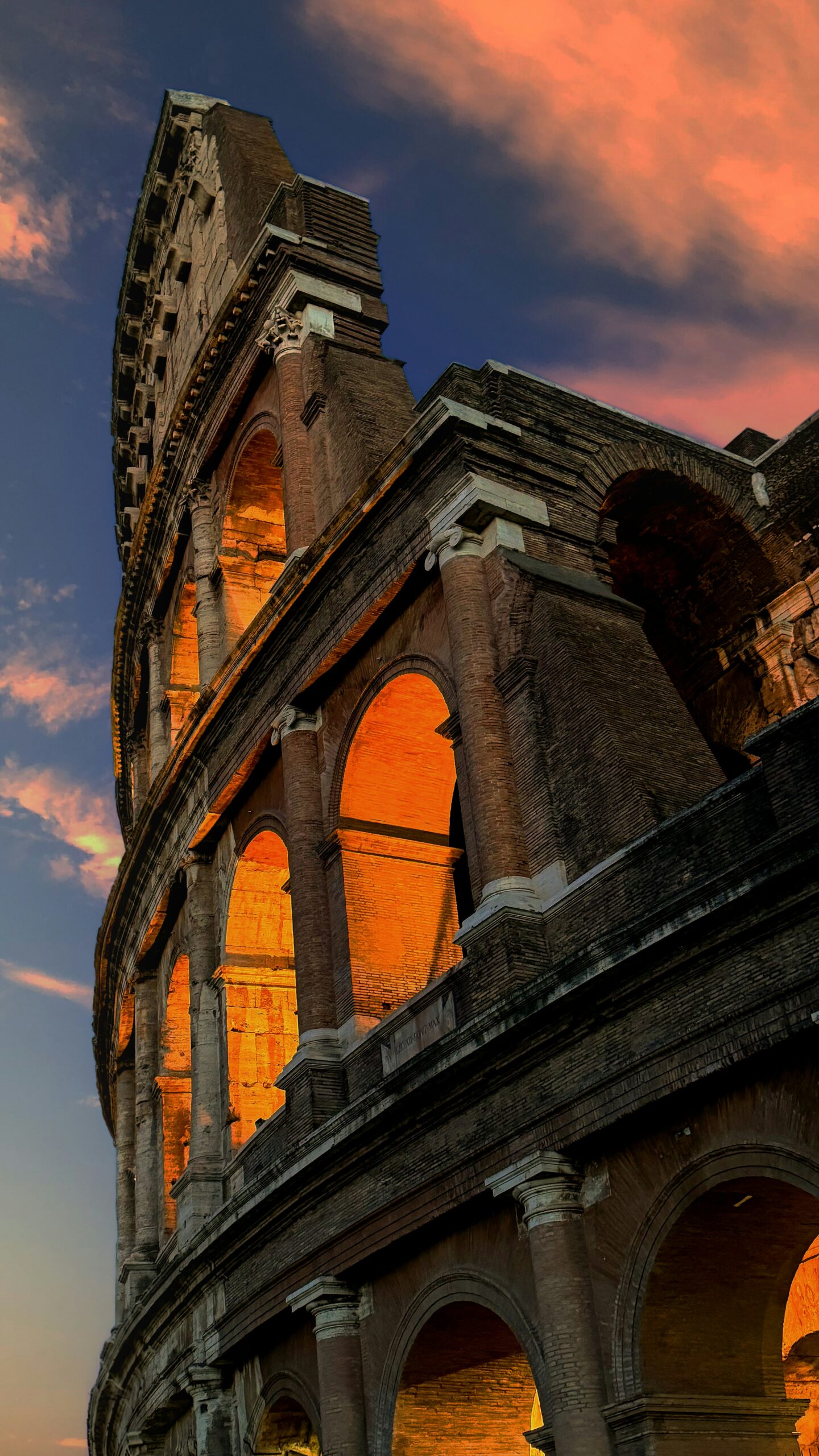
Walking into the Colosseum for the first time is less like entering a museum and more like stepping into an exposed machine. The curves, the voids, the layered seating, and the open sky all hit at once. There is a physical sensation to it that photos flatten out. You hear footsteps on stone, small echoes in the corridors, and a strange mix of excitement and disorientation as you try to understand the scale.
What surprised me most the first time I paid attention to the view was how quickly the surrounding landscape became part of the experience. At arena level, everything feels theatrical and immediate. Higher up, the mood changes completely. The amphitheatre stops feeling like an isolated attraction and starts feeling like a viewing platform over the ancient city.
The one mistake I would avoid is assuming the visit will be effortless. It is easy to underestimate how much standing, stair-climbing, and slow crowd movement are involved. If you come in overheated, under-watered, or already tired from a full morning in Rome, the experience becomes flatter. This is one of those sites where energy management genuinely matters.
Key visitor information
| Official site | colosseo.it |
| Official tickets | ticketing.colosseo.it |
| Address | Piazza del Colosseo, 1, 00184 Rome, Italy |
| Closest metro | Colosseo station on Metro Line B |
| Entry system | Timed entry for the Colosseum is standard; arrive early enough for security |
| Ticket structure | Access and validity vary by ticket type; many official products bundle Colosseum with Roman Forum and Palatine |
| Best time to visit | Early morning for fewer people, late afternoon for warmer light |
History in plain English
The Colosseum, or Flavian Amphitheatre, was begun under Emperor Vespasian in the first century AD and completed under Titus, with later modifications under Domitian. It was built as a public spectacle space on a scale that still feels intimidating. That scale was not accidental. Rome used architecture to shape how crowds felt, where they moved, and what they believed about imperial power.
Inside, the structure once hosted gladiatorial combat, animal hunts, staged performances, and grand public events. What you see today is a combination of ancient remains, later damage, and modern conservation. That blend matters. You are not seeing a frozen ruin from one day in antiquity. You are seeing a monument that survived earthquakes, stone removal, religious reuse, restoration campaigns, and the slow transformation of Rome around it.
I find the visit becomes much better when you keep that in mind. The Colosseum is not just about violence or spectacle. It is also about logistics, crowd control, visual theater, and state messaging. The view from the upper levels makes those relationships easier to understand because the wider landscape comes into focus.
Best viewpoints inside the Colosseum
1. Arena floor: the emotional hit
If you want the immediate “I am really inside the Colosseum” feeling, arena access is the strongest choice. Standing on the reconstructed floor puts you where the central action once unfolded, and the surrounding tiers suddenly make sense. The scale stops being abstract. It becomes physical.
This is the best option for first-time visitors who want instant drama, strong symmetry, and cinematic photos. It is also the part that feels most intuitive, which matters if you are traveling with people who do not want a heavily historical experience.
2. Underground / hypogeum: the hidden machine
The hypogeum shifts the emotional tone completely. It is cooler, denser, and more interpretive. Instead of seeing where the show happened, you start understanding how the show was prepared. You notice passages, holding areas, service logic, and the practical infrastructure behind spectacle.
For travelers who have already seen famous ruins and want something more immersive, this is often the most memorable upgrade. It feels less postcard-friendly and more historically textured, which I personally prefer once the first visual shock of the main structure wears off.
3. Upper levels: the real panoramic reward
This is where the phrase view from the Colosseum in Rome really earns its meaning. The upper levels give you the best chance to read the city spatially. You can follow the archaeological valley, see Palatine Hill rise behind it, and understand how the monument sits inside a much larger ancient landscape.
These levels are especially rewarding in softer light. Late afternoon can be stunning, but morning is usually easier if you want less crowd pressure and cleaner movement through the site. If your main goal is photography, orientation, and the broader Rome panorama, this is the upgrade that matters most.
4. Corridor openings and framed side views
One of the easiest details to miss is how good the side openings can be. Small framed views through arches often produce better photos than obvious wide-angle shots, because they add scale and context at the same time. You can use stone, shadow, and curvature to make the image feel more Roman and less generic.
How to choose the right ticket without overthinking it
Ticket choice is where many visitors lose time. The official platform offers different combinations and special-access products, and the names can make the decision feel more complicated than it needs to be. I would simplify it like this:
- Short on time: choose a standard entry product and prioritize the upper sections once inside.
- Best balance: choose arena access or a product that meaningfully improves your internal perspective.
- Most immersive: choose underground access combined with broader site exploration.
- Best for photographers: pick the time slot first, then the access type.
The practical truth is that timing can be just as important as access level. A theoretically better ticket at a bad hour can feel worse than a simpler ticket in softer light with fewer people.
Recommended route: Colosseum + Forum + Palatine without wasting energy
- Start at the Colosseum for your timed slot. This removes the biggest scheduling constraint first.
- Do restricted areas early. If your ticket includes arena or underground access, handle those before your energy starts dropping.
- Move to the upper view sections next. This is when your attention is still sharp and the panorama will land hardest.
- Continue into the Roman Forum. The view you just had from the Colosseum helps the Forum make more sense.
- Climb Palatine Hill after the Forum. This gives you both another viewpoint and a calmer change of pace.
- Finish toward Capitoline or Piazza Venezia. It is an easier transition into lunch or a more relaxed city walk.
I like this sequence because it moves from timed structure to interpretive depth. You begin with the most crowded and controlled site, then gradually shift into broader archaeological space. The day feels less compressed that way.
Practical tips that matter more than they sound
- Book official tickets early if you want special access. The most interesting slots are rarely the most flexible ones.
- Arrive before your slot, not at your slot. Security and queue flow can eat into your energy quickly.
- Wear stable shoes. Between the Colosseum, Forum, and Palatine, this becomes a real issue.
- Carry water. Even in mild weather, the archaeological core can feel more exposed than expected.
- Use wide shots sparingly. A few framed architectural shots often look stronger than endless panoramic attempts.
- Do not overschedule lunch right after. Give yourself transition time, especially in warmer months.
- Save some mental energy for Palatine Hill. It can feel like an optional add-on, but it often becomes the quiet highlight of the whole route.
The deeper reason the view is memorable
What makes the view from the Colosseum so satisfying is not only beauty. It is legibility. Rome often overwhelms visitors because it layers antiquity, religion, traffic, monumental space, and everyday life all at once. From inside the Colosseum, those layers become easier to read. The city stops feeling random.
That is why this experience works for people who are not even especially interested in gladiators or Roman architecture. It gives you a visual key to the wider historic center. Once you have seen the Forum and Palatine from above or across, later walks through those spaces become much more meaningful.
I also think there is something emotionally effective about seeing how much emptiness and grandeur coexist here. The monument is crowded with visitors, yet the central void remains powerful. The Forum below is fragmented, yet it still carries political weight. The whole scene feels like an argument between survival and loss, which is part of what makes Rome harder to forget than many other cities.
Arena vs underground vs upper levels
| Access type | Best for | Feeling | Main trade-off |
|---|---|---|---|
| Arena floor | First-time visitors, dramatic photos, cinematic impact | Immediate, theatrical, high-emotion | Less about the wide city panorama |
| Underground | History lovers, repeat visitors, immersive context | Dense, atmospheric, interpretive | Not the strongest open panorama |
| Upper levels | Panoramas, orientation, skyline photography | Expansive, architectural, rewarding | Can feel exposed in heat and sun |
Who should prioritize this experience
This is ideal for first-time Rome visitors, history-focused travelers, photographers, and anyone trying to understand how the Colosseum fits into the broader ancient city rather than treating it as a single isolated stop. It is also especially rewarding for people who enjoy viewpoint-based travel, where a place becomes meaningful because it clarifies everything around it.
If you dislike crowds, heat, and timed-entry logistics, you should still consider it, but you will want an early slot, realistic pacing, and probably fewer commitments afterward.
FAQ
What is the best view from the Colosseum in Rome?
For most travelers, the upper levels provide the best overall view because they combine the interior architecture with the wider panorama over the Roman Forum and Palatine Hill.
Is the arena floor worth paying extra for?
Yes, if your priority is emotional impact and strong first-time photos. It gives you the most dramatic internal perspective.
Is the underground better than the upper levels?
Not better in every way. Underground access is more immersive and historical, while upper levels are better for broad panoramic views and orientation.
How long should I spend in the Colosseum itself?
A meaningful visit usually takes 1.5 to 2.5 hours, depending on your ticket type and pace. Add more time if you are doing special-access zones carefully.
Morning or late afternoon for the best photos?
Morning is usually better for lighter crowds. Late afternoon is better for warmer tones and softer stone color in panoramic shots.
Can I combine the Colosseum, Forum, and Palatine in one day?
Yes, and many travelers do. A half day works well if you start early and do not overschedule other major sites around it.
Is it still worth going if I am not a big history person?
Yes. The combination of scale, engineering, and the view across ancient Rome makes it compelling even for visitors who are not deeply interested in Roman history.
Continue planning your Italy trip
Official and authoritative links
Colosseum map
Final thoughts
The best view from the Colosseum in Rome is not just a photo opportunity. It is one of the clearest ways to understand how ancient Rome was organized, staged, and remembered. With the right ticket, the right time slot, and a route that continues into the Forum and Palatine, this becomes much more than a famous stop. It becomes one of the most satisfying historical experiences in the city.
If I had to give one simple recommendation, it would be this: prioritize perspective over speed. When you slow down enough to actually read the landscape from the Colosseum, Rome starts making sense in a much deeper way.