Montmartre Paris Guide: Best Things to See, Walking Route, Hidden Spots, and Real Tips
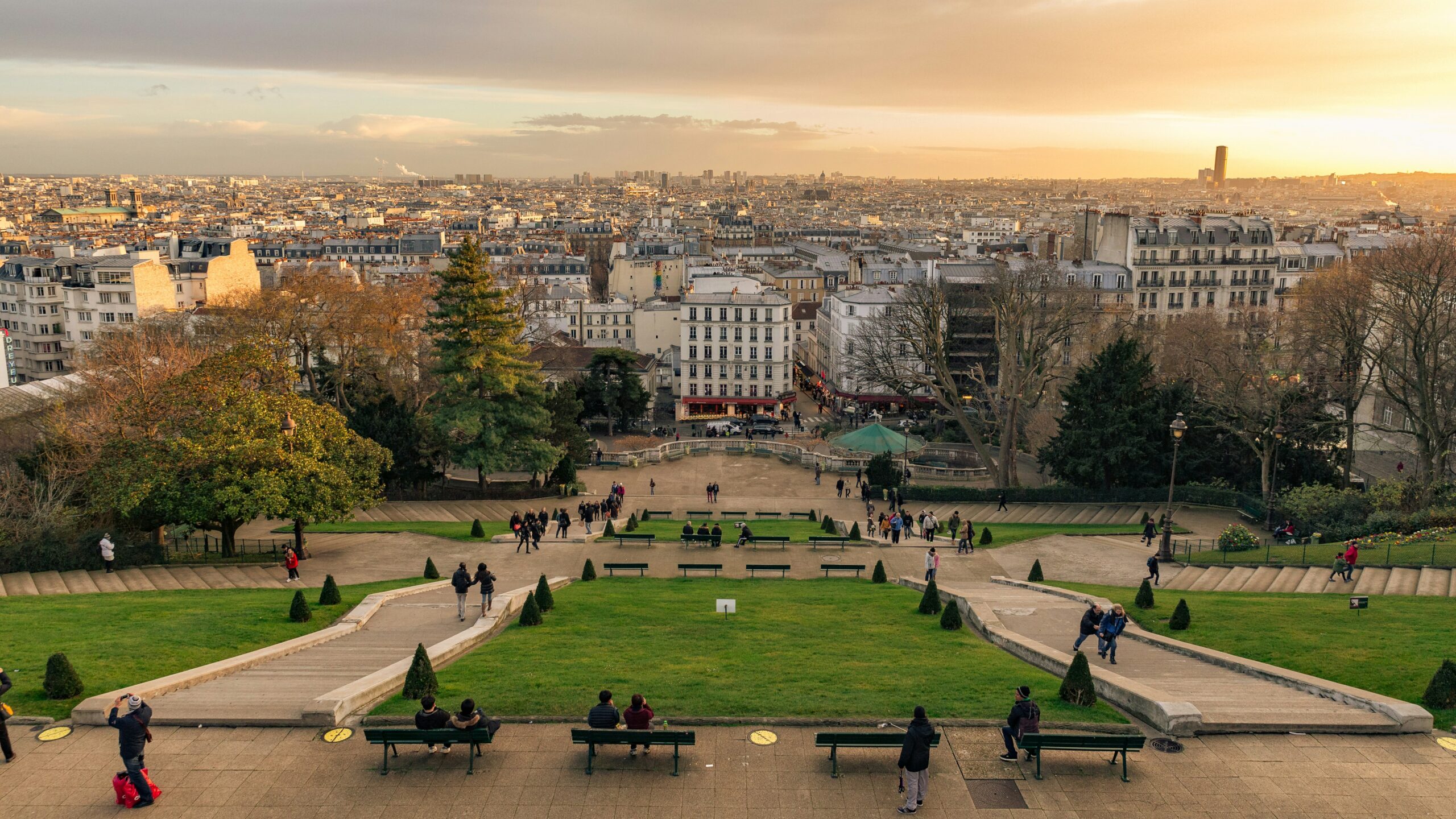
Montmartre Paris is one of the few places in the city that still feels like it belongs to a different rhythm. It sits above the busy center, but it does not move with the same polished pace as the grand boulevards. Here, Paris feels steeper, quieter in odd pockets, and more cinematic than people expect. The staircases, café terraces, artists’ corners, and white stone of Sacré-Cœur create the version of Paris many travelers imagine before they arrive.
I think Montmartre is at its best when you stop treating it like a checklist. Yes, the basilica matters. Yes, Place du Tertre is famous. But the real reward comes from understanding how the district fits together: where the crowds gather, where the quieter lanes begin, which route saves your legs, and which stops are worth lingering for instead of photographing and leaving.
Search Intent
This guide is for travelers who want a practical Montmartre Paris guide, the best things to see, a low-stress walking route, updated official visitor links, and honest advice on where Montmartre feels magical versus where it feels overly touristy.
Quick Summary
- Montmartre is best visited early in the morning or later in the afternoon, when the light is softer and the steep streets feel less crowded.
- Sacré-Cœur is free to enter, but the dome has separate paid access and weather-dependent hours.
- The smartest first-time route usually starts at Anvers and finishes downhill near Blanche or Abbesses.
- Place du Tertre is lively and iconic, but some of Montmartre’s best moments happen one or two streets away from the busiest square.
- Allow at least 3 to 4 hours if you want Montmartre to feel rewarding rather than rushed.
Why Montmartre still feels different from the rest of Paris
Montmartre works because it still resists being fully flattened into a tourist backdrop. It is famous, obviously, but it has not lost its topography, and that changes everything. You do not glide through Montmartre the way you move through central Paris. You climb, turn, pause, and reorient. The district forces you into a slower experience, and that is exactly why it stays memorable.
Historically, this hilltop neighborhood developed apart from central Paris, and that separation helped it keep a more village-like character for centuries. Later, its lower rents and semi-detached identity attracted artists, writers, performers, and experimenters who shaped its reputation as Paris’s bohemian quarter. Today, that old story is still visible in fragments: winding lanes, tucked gardens, small museums, and corners that feel less polished than postcard Paris. :contentReference[oaicite:1]{index=1}
What it feels like on the ground
Montmartre is one of those places that changes every twenty steps. One minute you are in a dense crowd near the basilica steps, and the next you are standing on a quiet lane lined with ivy, shutters, and old stone that barely feels like central Paris anymore. I like that contrast. It prevents the area from becoming visually repetitive, even on a busy day.
The hill also changes how you experience the city physically. You notice the climb, the cobbles, the staircases, and the pauses. That sounds minor, but it shapes the mood of the visit. Montmartre is not the kind of district where you should pack five other major attractions into the same morning. If you rush it, the district can feel crowded and performative. If you let it breathe, it starts to feel layered and unexpectedly human.
The mistake many first-time visitors make is staying only on the obvious route between Anvers, Sacré-Cœur, and Place du Tertre. Those are important stops, but they are not the whole story. The most satisfying version of Montmartre includes at least one museum, one quiet residential detour, and one moment where you stop trying to “cover” the area and simply look at it.
Quick key information
| Best for | Views, art history, classic Paris atmosphere, café culture, slow urban walking |
| Main area | Butte Montmartre, 75018 Paris, France |
| Closest metro | Anvers (Line 2), Abbesses (Line 12), Lamarck-Caulaincourt (Line 12) |
| Sacré-Cœur basilica hours | Daily 6:30 a.m. to 10:30 p.m. |
| Sacré-Cœur dome | Usually daily 10:15 a.m. to 7:00 p.m.; last admission 6:30 p.m.; weather/maintenance can affect access |
| Musée de Montmartre | Daily 10:00 a.m. to 6:00 p.m.; last admission 5:15 p.m. |
| Dalí Paris | Daily 10:00 a.m. to 6:30 p.m.; last entry 6:00 p.m. |
| Best season | Spring and early autumn for milder weather and softer light |
History and background
Originally separate from central Paris, Montmartre developed as a hilltop settlement with vineyards, mills, and religious associations long before it became a symbol of bohemian Paris. Its name is often linked to older traditions involving either the “Mount of Mars” or the “Mount of Martyrs,” with Saint Denis tied to the district’s religious memory. Over time, the hill’s semi-rural identity and relative independence helped it hold onto a distinctive atmosphere. :contentReference[oaicite:2]{index=2}
By the late nineteenth and early twentieth centuries, Montmartre had become a magnet for artistic life. Lower rents, looser social boundaries, and a vibrant nightlife scene helped attract painters and performers. That creative reputation still defines the district today, but not always in the way visitors expect. The “artists’ Montmartre” you see now is partly authentic continuity and partly careful tourism performance. Both are real, and understanding that makes the district more interesting.
What I find most compelling is that Montmartre still shows signs of its older layers. It is not just a beautiful neighborhood with views. It is a place where religious architecture, village memory, artistic myth, and contemporary tourism all share the same hill. That tension is part of its charm.
Main attractions in Montmartre
Sacré-Cœur Basilica
Sacré-Cœur is the visual and practical anchor of Montmartre. The basilica is open daily, admission to the main church is free, and the terraces below it offer one of the broadest urban views in Paris. The dome visit is separate, with its own hours and admission, and official guidance notes that weather or maintenance can affect access. :contentReference[oaicite:3]{index=3}
- Best time: Early morning for calmer steps and cleaner city views.
- Worth knowing: This is an active place of worship, so voices and clothing should stay respectful.
- My take: The terrace is rewarding, but the basilica works best when you arrive before the hill turns into a photo queue.
Place du Tertre
Place du Tertre is the famous artist square. It is lively, colorful, and undeniably tourist-heavy, but it still gives you a clear sense of how Montmartre’s art identity survives in public form. The trick is to enjoy the atmosphere without expecting it to feel untouched.
- Best for: People-watching, portraits, classic Montmartre energy.
- Smart move: Agree on price, format, and timing before sitting for a sketch.
Dalí Paris
Dalí Paris presents a large private collection of Salvador Dalí works in the heart of Montmartre and is open daily. It is a very practical stop because it adds a strong indoor art break without requiring half a day. Official visitor info also notes last entry at 6:00 p.m. and limited accessibility, so it is worth checking details before arrival. :contentReference[oaicite:4]{index=4}
Musée de Montmartre and Gardens
This is one of the best “deeper context” stops on the hill. The museum is open daily, includes gardens overlooking the Clos Montmartre vineyard, and gives the district more historical depth than the street scene alone. If you want Montmartre to feel more than picturesque, this is one of the strongest stops. :contentReference[oaicite:5]{index=5}
Clos Montmartre
Yes, Montmartre still has a vineyard. Clos Montmartre is one of the district’s most charming details and helps explain why the neighborhood once felt more like a village than a city quarter. It is more of a visual and symbolic stop than a major attraction, but it is absolutely worth the detour. Paris tourism and city sources both recognize it as a distinct local landmark. :contentReference[oaicite:6]{index=6}
Moulin Rouge
Moulin Rouge sits lower on the hill near Boulevard de Clichy and remains one of Paris’s most famous nightlife icons. The official site remains the right place for bookings, especially if the show is non-negotiable for your trip. Even if you do not go inside, it works well as a route finish because it gives your walk a strong visual ending. :contentReference[oaicite:7]{index=7}

Recommended walking route (low-stress version)
This route is designed to reduce steep backtracking and keep the emotional payoff strong from start to finish.
- Start at Anvers. This is the easiest first-time arrival point, and RATP travel info also highlights it as a practical access point toward the funicular and the main rise into Montmartre. :contentReference[oaicite:8]{index=8}
- Head uphill toward Sacré-Cœur. Decide whether to climb the steps or use the funicular area as your energy-saving option.
- Visit Sacré-Cœur and the terrace first. This is the district’s emotional high point, and it is best before the area gets too busy.
- Continue to Place du Tertre. Spend a short, intentional amount of time here rather than letting the crowd absorb your whole morning.
- Walk to Dalí Paris. This adds an easy indoor stop and balances the outdoor sightseeing rhythm.
- Detour to Clos Montmartre and the quieter lanes nearby. This is where Montmartre starts feeling more local and less staged.
- Visit Musée de Montmartre if you want depth. It is one of the best additions for travelers who like context, gardens, and slower pacing.
- Finish downhill toward Moulin Rouge and Blanche. Ending the route downhill is much kinder on your energy than reversing direction.
Travel tips and warnings
- Watch your pockets near the main steps and metro exits. Montmartre is rewarding, but its busiest access points require the same city awareness as any major tourist area.
- Wear proper shoes. Cobbles, slopes, and stairs matter more here than in flatter parts of Paris.
- Do not overbook the morning. Montmartre works best when you leave room for a museum, a view, and one unplanned wander.
- Confirm portrait terms before sitting down. Price, paper size, style, and turnaround time should all be clear first.
- Step one or two streets away for food. The difference in atmosphere and value is often noticeable.
- Respect photo etiquette. Artists and strangers are part of the district’s atmosphere, not props.
- If mobility is a concern, plan access carefully. The hill is beautiful, but it is not effortless.

What most visitors miss about Montmartre
Montmartre is often marketed as a romantic neighborhood, and that is true up to a point, but its deeper appeal is that it preserves contrast. It is sacred and theatrical. Crowded and intimate. Polished and slightly rough around the edges. That tension is why it feels more alive than some other famous districts in Paris.
The neighborhood also rewards travelers who are willing to look beyond the biggest icons. The official museum sites and tourism pages make clear that Montmartre is not just Sacré-Cœur and one artist square; it is also museums, gardens, a vineyard, and a transport pattern that shapes how people experience the hill. :contentReference[oaicite:9]{index=9}
I think that is why Montmartre stays memorable. It gives you the Paris view people come for, but it also gives you a district that still feels a little irregular and specific. That combination is rare.
Sacré-Cœur vs Place du Tertre vs Musée de Montmartre
| Stop | Best for | Feeling | Time needed |
|---|---|---|---|
| Sacré-Cœur | Views, architecture, first-time wow factor | Grand, bright, iconic | 30–60 minutes |
| Place du Tertre | Atmosphere, portraits, classic street energy | Busy, playful, tourist-heavy | 20–40 minutes |
| Musée de Montmartre | History, context, quieter pacing | Calm, reflective, rewarding | 60–90 minutes |
Who should prioritize Montmartre
Montmartre is ideal for first-time Paris visitors, art and photography lovers, couples, solo walkers, and anyone who prefers districts with atmosphere over checklist-style sightseeing. It is also a strong choice for return visitors who want one neighborhood that combines views, history, and a more local-feeling street rhythm.
If you dislike hills, dense tourist pockets, or long uphill walking, you can still enjoy Montmartre, but you will need a smarter entry point and a more relaxed pace.
FAQ
Is Montmartre worth visiting in Paris?
Yes. It combines one of the city’s best viewpoints with strong atmosphere, art history, and a neighborhood feel that is different from central boulevard Paris.
How long should I spend in Montmartre?
A satisfying first visit usually takes 3 to 4 hours. Add more time if you plan to enter museums, the dome, or stop for a long meal.
Is Sacré-Cœur free?
Yes, the basilica itself is free to enter. The dome visit is separate and has its own admission and timing rules. :contentReference[oaicite:10]{index=10}
What is the best metro stop for Montmartre?
Anvers is usually the easiest first-time starting point, while Abbesses and Blanche work well depending on your route. RATP travel guidance also points to Anvers as a practical tourist access point. :contentReference[oaicite:11]{index=11}
Is Montmartre safe?
Generally yes for normal sightseeing, but the busiest tourist pockets require extra attention to belongings, especially around major steps and metro exits.
Should I visit Montmartre in the morning or evening?
Morning is best for calmer viewpoints and easier movement. Late afternoon is excellent for softer light and a more atmospheric café-and-streets mood.
Is Musée de Montmartre worth it?
Yes, especially if you want Montmartre to feel richer than a quick photo stop. It adds history, gardens, and a more grounded sense of place. :contentReference[oaicite:12]{index=12}
Continue planning your France trip
Official and authoritative links
Montmartre map
Final thoughts
Montmartre is one of those neighborhoods that rewards patience more than speed. The view is real, the atmosphere is real, and the history is real, but the district only starts to feel special once you move beyond the most crowded lines of traffic and let the hill reveal itself in layers.
If you arrive early, walk smart, give yourself time for one museum or one long café stop, and keep your route slightly flexible, Montmartre will feel far richer than a quick “photo stop in Paris.”